Brand switching is where most running shoe regret happens. The fit feels off, the cushioning isn't what you remembered, the heel slip starts on mile 3. Here are seven specific mistakes runners make in the brand-switching process — and how to avoid each.
1. Assuming size translates across brands
The mistake: a 10 in Brooks isn't a 10 in Nike, and a 10 in Hoka isn't either. Brand-specific lasts mean shoe sizes vary.
The fix: always try on, always walk for 5+ minutes, never order a new brand sight-unseen unless the retailer accepts unworn returns.
2. Replicating drop, not feel
The mistake: heel-to-toe drop matters but isn't the only variable. A 10mm-drop shoe in one brand can feel completely different from a 10mm-drop shoe in another, due to midsole stiffness, rocker geometry, and forefoot stack.
The fix: compare total stack height and forefoot/heel ratio, not just drop. Shoes feel right when the geometry matches, not just the drop.
3. Skipping the transition phase
The mistake: jumping straight into long runs in new shoes. New brands stress different parts of your foot and lower legs.
The fix: run 3-4 short runs (3-5 miles) in new shoes before any run over 8 miles. The transition is where most early injuries happen.
4. Buying based on aesthetics or color
The mistake: the shoe you wanted to buy isn't the shoe you should buy. Color doesn't determine performance.
The fix: shop by spec first, then pick the available color among shoes that meet spec. The performance differences inside a brand line are larger than the aesthetic differences across colors.
5. Trusting "comparable to" recommendations
The mistake: "If you liked the Brooks Glycerin, try the Saucony Triumph." These recommendations work in broad strokes but miss the specific reasons you liked the Glycerin.
The fix: identify what specifically worked about your previous shoe — cushioning amount, heel cup fit, forefoot space, ride feel — and shop for those specific features in the new brand, not the marketing categorization.
6. Ignoring brand-specific quirks
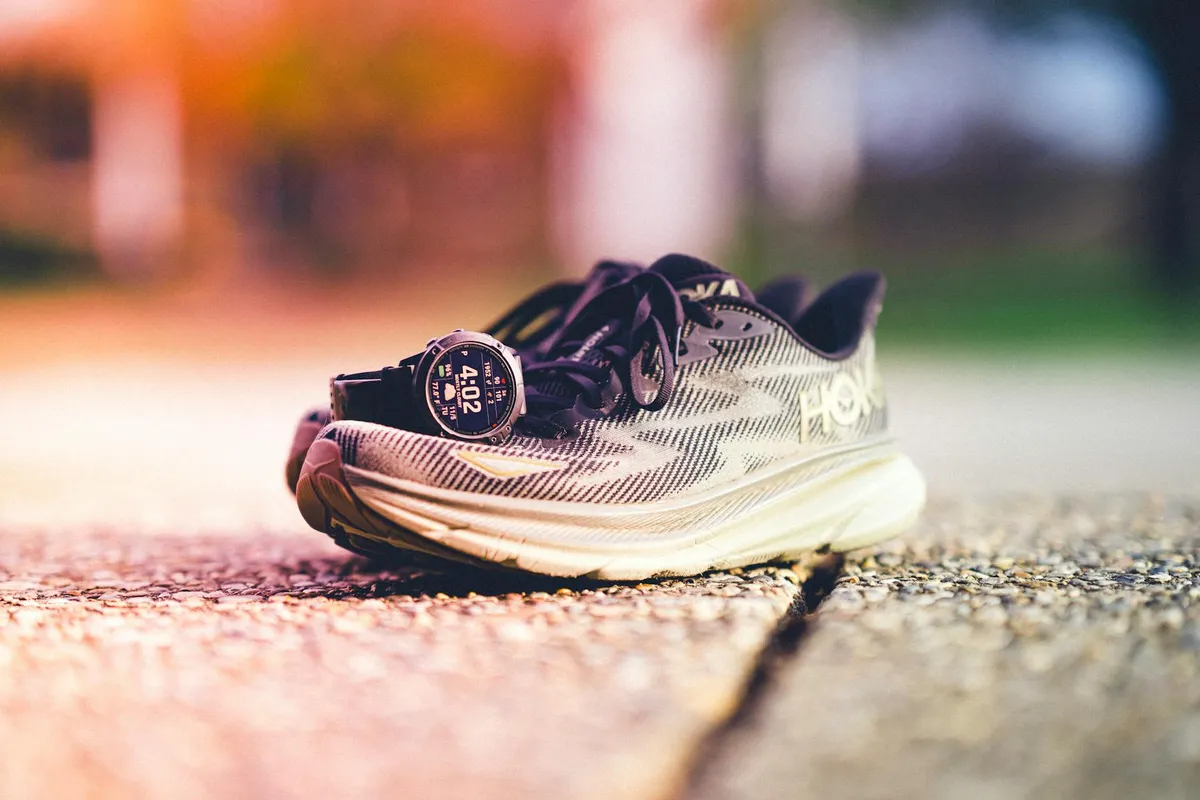
The mistake: Brooks runs slightly long, Nike runs slightly narrow, Hoka runs slightly wide, Asics has a tighter midfoot than most. These quirks matter at training mileage.
The fix: read brand-specific fit guides before trying on. Knowing a Hoka tends to fit wider lets you start with the appropriate width option, not your default.
7. Switching multiple variables at once
The mistake: changing brand, drop, cushion level, and stability category all at the same time. When something feels wrong, you can't isolate which variable caused it.
The fix: change one variable at a time. New brand, same category. Or same brand, new category. Sequential changes let you identify what works and what doesn't.
The brand-switching protocol
The protocol that's worked for me and the runners I advise:
- Identify what specifically worked about your current shoe.
- Research brand fit guides for the new brand.
- Try on at retail with running socks; walk 10 minutes.
- Buy, run 3-4 short runs first, evaluate before committing to long efforts.
- Compare carefully against your previous shoe's data — pace, comfort, recovery — over 100 miles.
The bottom line
Brand switching is mostly preventable regret if you treat it as a process rather than a single purchase. The runners who switch brands successfully treat the new shoe as a hypothesis to test. The runners who get injured or unhappy treat it as an upgrade and skip the testing. Test first, commit second.