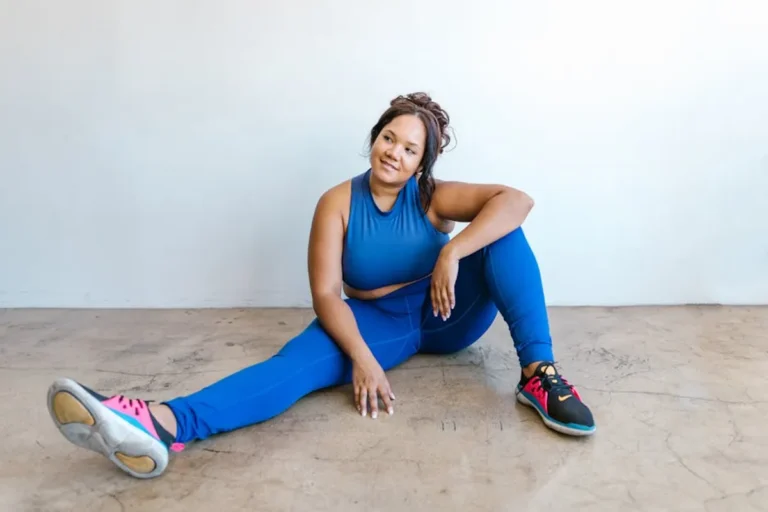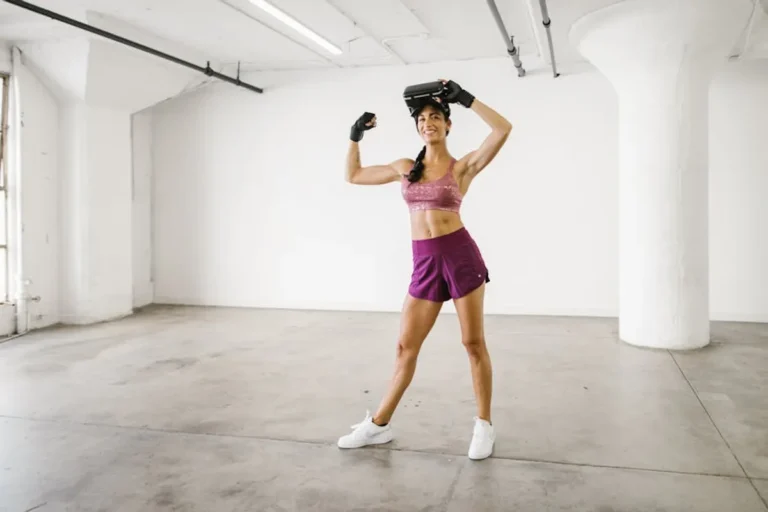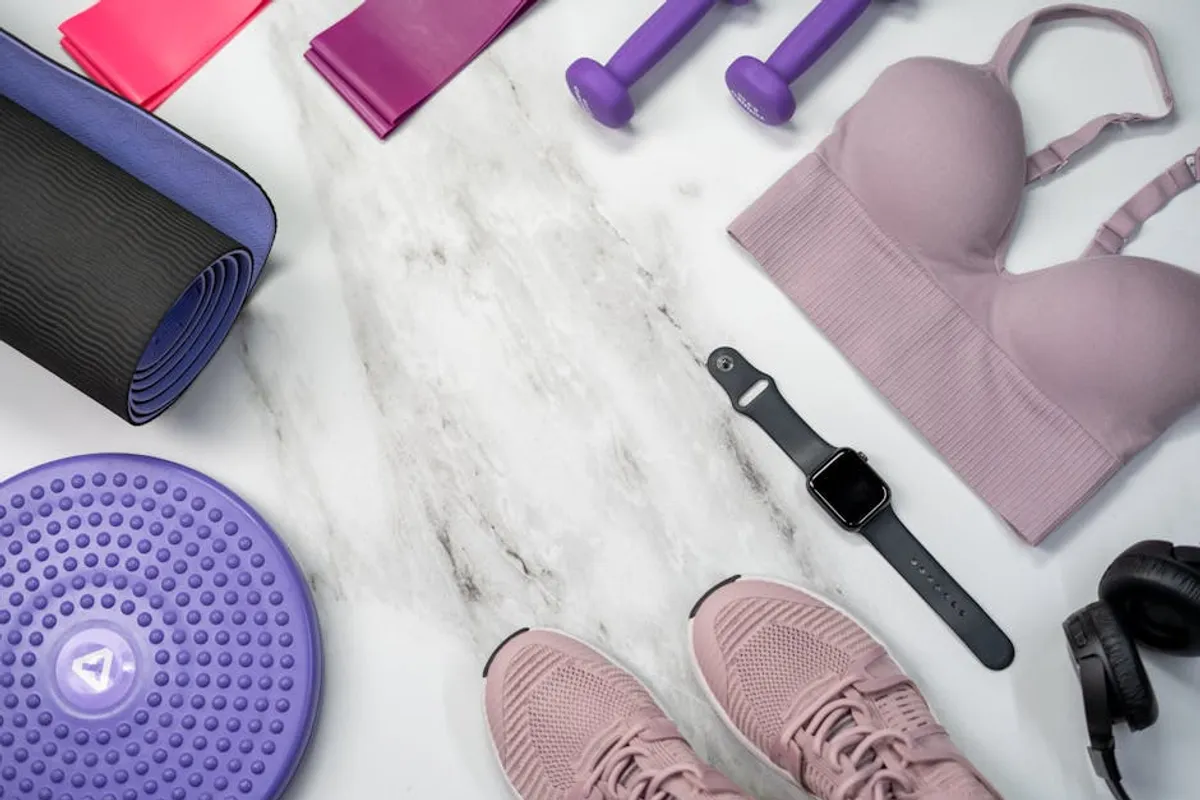
Choosing athleisure wear involves more than simply selecting comfortable clothes; it requires a deliberate assessment of function, durability, and personal aesthetic. The market offers a vast array of options, making a structured approach essential to ensure your selections align with your intended use, activity levels, and style preferences. This guide outlines the critical factors to consider, moving beyond surface-level appeal to the underlying attributes that define quality and utility in athleisure.
Evaluating Core Needs and Performance
Intended Activity and Performance Demands
The primary driver for any athleisure purchase should be its intended application. Different activities impose distinct requirements on fabric, fit, and construction. Identifying your main use cases narrows the field considerably.
- Low-Impact Activities (Yoga, Pilates, Walking): Prioritize flexibility, softness, and breathability. Fabrics like bamboo, modal, or soft cotton blends offer comfort and unrestricted movement. Look for items with four-way stretch that retain shape without feeling compressive.
- High-Intensity Workouts (Running, HIIT, Cycling): Focus on moisture-wicking properties, support, and compression. Synthetic blends containing polyester, nylon, and spandex are engineered to draw sweat away from the body, dry quickly, and provide muscle support to reduce fatigue and aid recovery. Mesh panels are beneficial for targeted ventilation.
- Lounging and Travel: Comfort is paramount. Soft, brushed fabrics, relaxed fits, and seamless designs minimize irritation. Materials such as French terry, fleece, or specific modal blends offer a plush feel suitable for extended wear in relaxed settings.
- Casual Wear and Errands: Versatility and aesthetic appeal become key. Pieces that seamlessly transition from a light workout to daily activities require a refined design, often with subtle branding and neutral color palettes. Durability for frequent wear and wash is also a consideration.
Fabric Composition and Technology
The material blend dictates how a garment performs and feels. Understanding common fabric types and their benefits is fundamental to making informed choices.
Moisture-Wicking: Primarily synthetic fibers like polyester and nylon. These fabrics are engineered with a capillary action to pull sweat from the skin to the fabric's outer surface, where it can evaporate quickly. This keeps the wearer dry and comfortable during exertion.
Stretch and Recovery: Elastane or spandex content, typically ranging from 5% to 20%, provides elasticity. High-quality stretch fabrics offer good recovery, meaning they snap back to their original shape after stretching, preventing bagging or sagging over time.
Breathability: Achieved through fabric weave (e.g., open knits, mesh panels) or natural fiber properties (e.g., cotton, bamboo, Tencel). Breathable fabrics allow air circulation, which is crucial for temperature regulation and preventing overheating.
Compression: Higher denier synthetic blends, often with a significant spandex content, provide graduated pressure on muscles. This can enhance blood circulation, reduce muscle vibration, and potentially speed up recovery post-exercise.
Softness: Natural fibers like cotton, modal, and bamboo are known for their soft hand-feel. Blends often combine these with synthetics to add performance benefits without sacrificing comfort.
Fit and Silhouette
Beyond performance, how athleisure garments fit impacts both comfort and style. Consider how the garment interacts with your body during movement and in static positions. Understanding how athleisure garments fit is a key part of a broader buyer guide for the category.
Compression Fit: Designed to hug the body tightly, often used in performance leggings and tops for muscle support and reduced chafing.
Form-Fitting: Close to the body but less restrictive than compression, allowing for a wider range of movement while maintaining a streamlined silhouette.
Relaxed/Loose Fit: Offers maximum comfort and airflow, suitable for layering or activities where complete freedom of movement is prioritized, such as warm-ups or casual wear.
Consider your body type and personal comfort preferences. A well-fitting garment should not restrict movement, chafe, or require constant adjustment.
Design, Durability, and Maintenance
Design and Aesthetic Integration
Athleisure's appeal lies in its ability to bridge gym wear and everyday fashion. Evaluate the design elements for their versatility and how they align with your personal style.
- Color Palette: Neutrals (black, grey, navy, white) offer maximum versatility for mixing and matching. Bolder colors or patterns can add personality but may be less adaptable.
- Details: Features like hidden pockets, reflective accents for visibility, adjustable drawstrings, and strategic mesh placement contribute to both function and style.
- Versatility: Can the item transition seamlessly from a workout to social settings? Look for pieces that can be dressed up or down with minimal effort.
- Branding: Some prefer subtle logos, while others appreciate prominent brand visibility. This is a personal preference that impacts the overall aesthetic.
Durability and Care Requirements
Athleisure often represents an investment, making durability a key consideration. The longevity of a garment is directly tied to its construction quality and how well it withstands repeated washing and wear.
Construction Quality: Inspect seams for flatlock stitching, which reduces chafing and adds strength. Double-stitched seams are another indicator of robust construction. Examine zippers and hardware for smooth operation and sturdy attachment.
Fabric Resilience: High-quality fabrics resist pilling, fading, and stretching out over time. Test the fabric's stretch recovery by gently pulling it and observing how quickly it returns to its original shape.
Care Instructions: Always check the care label before purchasing. Some performance fabrics require specific washing temperatures, air drying, or avoidance of fabric softeners to maintain their integrity and performance properties. Understanding these requirements helps ensure the garment lasts.
Pro Tip: Always review the material composition and care instructions on the garment's label before purchasing. Performance fabrics often have specific washing requirements (e.g., cold water, air dry, no fabric softener) that, if ignored, can significantly degrade their moisture-wicking properties, elasticity, and overall lifespan. Investing a moment to understand these details can save you from premature wear and disappointment.
Making Your Selection Count
Choosing athleisure effectively means harmonizing your practical needs with your aesthetic preferences. By systematically evaluating the intended use, fabric technology, fit, design, and expected durability, you move beyond impulse purchases to build a functional and stylish wardrobe. Prioritize pieces that offer genuine utility for your activities while complementing your existing style, ensuring each item contributes meaningfully to your comfort and confidence.
Frequently Asked Questions About Athleisure
What is the primary difference between athleisure and activewear?
Activewear is designed strictly for athletic performance, prioritizing technical features like advanced moisture-wicking, compression, and ventilation. Athleisure, while incorporating performance elements, emphasizes versatility and style, allowing garments to transition seamlessly from workouts to casual social settings. The distinction lies in the dual focus on function and fashion for athleisure.
How can I tell if athleisure fabric is high quality?
High-quality athleisure fabric typically feels substantial yet flexible, not thin or flimsy. It should exhibit excellent stretch recovery, snapping back to its original shape quickly. Look for even, dense weaves, and avoid anything that appears sheer when stretched. Flatlock or reinforced stitching indicates durability, and the fabric should resist pilling after light friction.
Is it appropriate to wear athleisure in professional or formal settings?
Generally, no. While athleisure is designed for versatility, its inherent casual nature makes it unsuitable for professional workplaces or formal events. Exceptions might include creative industries with very relaxed dress codes or specific casual business events where highly tailored athleisure pieces (e.g., structured joggers with a blazer) could be considered, but this is rare and context-dependent.
What are the best practices for caring for athleisure garments?
To maximize the lifespan and performance of athleisure, wash garments in cold water with similar colors, ideally inside out. Use a mild detergent and avoid fabric softeners, as they can clog technical fibers and reduce moisture-wicking capabilities. Air drying is often recommended over machine drying, especially for items with spandex, to prevent heat damage and maintain elasticity. Always refer to the specific care label for precise instructions.