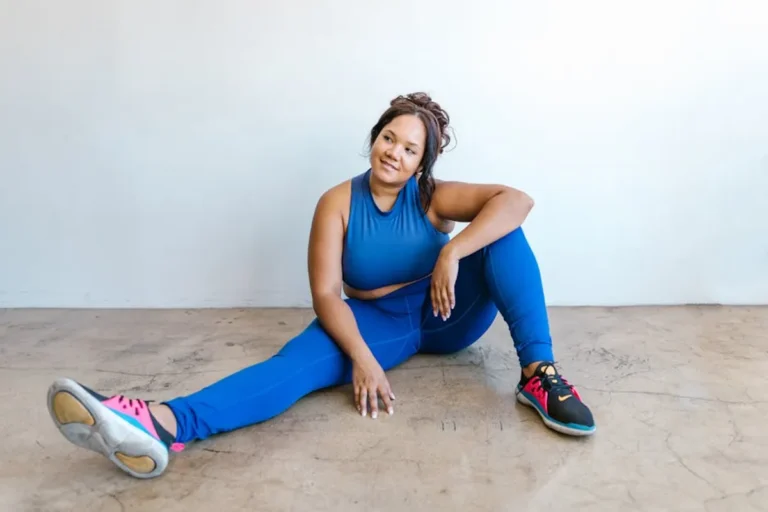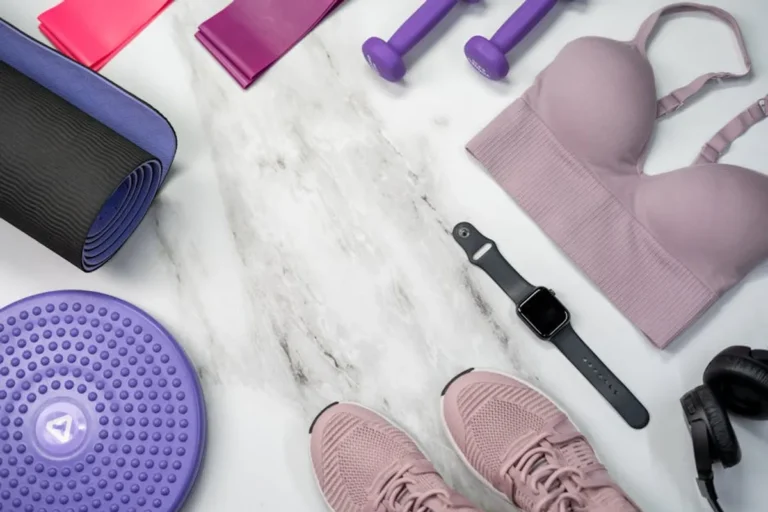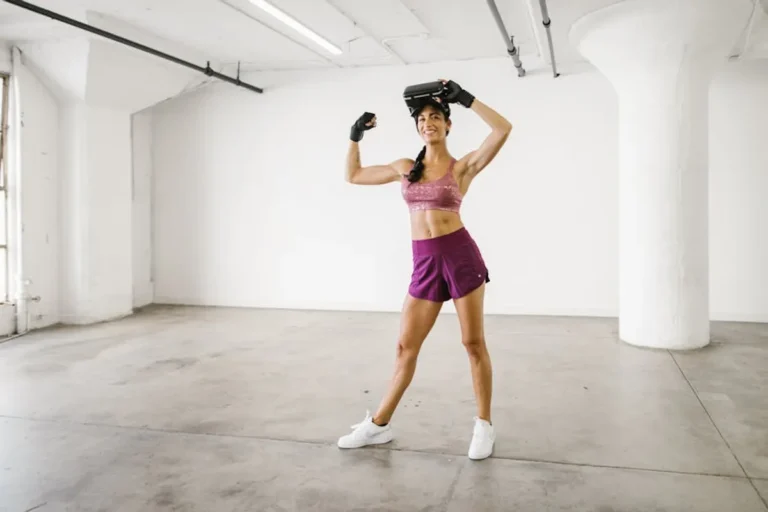

Navigating the athleisure market requires understanding a blend of performance engineering and contemporary fashion. This guide outlines the critical factors for selecting garments that seamlessly transition from active pursuits to daily life, ensuring both functional utility and aesthetic appeal. The objective is to identify pieces that perform reliably during physical activity while maintaining comfort and style for casual wear, travel, or remote work environments.
Understanding Fabric Performance and Composition
The foundation of effective athleisure lies in its material science. Fabric choice dictates breathability, moisture management, stretch, and overall comfort, directly impacting how a garment performs and feels. Discerning buyers evaluate compositions for specific benefits:
- Synthetic Blends (Polyester, Nylon, Spandex): These are prevalent due to their superior moisture-wicking capabilities, drawing sweat away from the skin to the fabric surface for rapid evaporation. Polyester offers durability and wrinkle resistance, while nylon provides a smooth, soft hand feel and excellent abrasion resistance. Spandex (Lycra, elastane) contributes elasticity, ensuring garments retain shape and allow unrestricted movement. Look for blends with at least 10-15% spandex for optimal stretch and recovery in items like leggings or performance tops.
- Natural Fibers (Cotton, Modal, Tencel): While less common in high-performance athleisure due to slower drying times, natural fibers offer exceptional softness and breathability for low-impact activities or casual wear. Modal and Tencel, derived from wood pulp, provide a silky feel, drape well, and are more sustainable alternatives to conventional cotton, often blended with synthetics for enhanced performance.
- Blended Innovations: Many premium athleisure pieces integrate proprietary fabric technologies. These might include antimicrobial treatments to reduce odor, UV protection for outdoor wear, or specialized weaves designed for enhanced airflow or compression. Review product descriptions for these specific performance claims, as they often justify a higher price point through added utility.
Fit, Function, and Mobility
Beyond fabric, the cut and construction of athleisure garments are paramount for both performance and appearance. A well-designed piece accommodates dynamic movement without restriction or excessive bulk.
Evaluating Garment Fit
Fit categories impact utility and aesthetic:
Compression Fit: Designed to hug the body tightly, providing muscle support, reducing vibration, and potentially aiding recovery. Best for high-intensity workouts or activities where muscle stability is critical. Ensure compression is firm but not constricting, allowing full range of motion.
Athletic/Slim Fit: Follows the body's contours without being overly tight. Offers a balance of mobility and a streamlined appearance. Ideal for a wide range of activities and versatile enough for casual wear.
Relaxed/Oversized Fit: Prioritizes comfort and a contemporary aesthetic. Offers maximum freedom of movement but may not be suitable for activities requiring minimal fabric interference. Often chosen for layering or post-workout comfort.
Functional Design Elements
Inspect details that enhance usability:
Seam Construction: Flatlock seams reduce chafing, particularly important in areas of high friction like inner thighs or underarms. Bonded seams offer a sleek, low-profile finish, minimizing bulk.
Gussets: Diamond-shaped fabric inserts in the crotch of pants or underarms of tops improve range of motion and prevent tearing, especially in high-stretch garments.
Waistbands: Wide, high-rise waistbands in leggings or shorts offer support and stay in place during movement. Adjustable drawstrings provide a customizable fit.
Pockets: Strategically placed, secure pockets (e.g., zippered, hidden, or large enough for a phone) add practical utility for carrying essentials without impeding activity.
Pro Tip: Always check the care label before purchase. High-performance athleisure often requires specific laundering instructions, such as cold water washing, air drying, and avoiding fabric softeners, to maintain its technical properties like moisture-wicking and elasticity. Neglecting these can significantly shorten the garment's functional lifespan and alter its fit.
Aesthetic Versatility and Durability
The "leisure" aspect of athleisure demands pieces that integrate seamlessly into a diverse wardrobe, offering style without sacrificing function. This requires attention to color, silhouette, and construction quality that withstands frequent use.
Design and Styling Integration
Consider how pieces complement existing casual and professional attire. Neutral color palettes (black, grey, navy, olive) offer maximum versatility, easily pairing with non-athletic items. Subtle branding and clean lines contribute to a more sophisticated, less overtly "gym-wear" aesthetic. Look for tailored joggers, elevated hoodies, or performance dresses that can be dressed up or down.
Longevity and Material Resilience
Durability is key for garments worn frequently and subjected to activity. Assess fabric density and weave for resistance to pilling, snagging, and stretching out. High-quality synthetics, especially nylon blends, tend to be more resilient than delicate natural fibers. Stitching should be even and reinforced in stress areas. A garment's ability to retain its shape and color after repeated washes is a strong indicator of its overall quality and value.
Making an Informed Athleisure Investment
Selecting athleisure wear is a balance of intended use, material performance, and personal style. Prioritize garments that align with your primary activities—whether it's high-intensity training, yoga, or daily casual wear—and then evaluate their versatility for other contexts. Focus on technical fabrics that offer specific benefits like moisture management or compression, ensuring the fit supports unrestricted movement. Finally, consider the garment's construction and care requirements to ensure its longevity and sustained aesthetic appeal. An informed choice results in pieces that genuinely enhance both your active and everyday wardrobe.
Frequently Asked Questions
What is the primary difference between athleisure and traditional activewear?
Athleisure blurs the lines between athletic apparel and casual wear, designed for both performance during exercise and comfort/style in everyday settings. Traditional activewear typically prioritizes pure performance and function for specific sports, often with less emphasis on broader aesthetic integration.
How should I determine the correct size for athleisure clothing?
Refer to the brand's specific sizing charts, as measurements can vary. For compression pieces, a snug fit is intended, but it should not restrict breathing or movement. For relaxed fits, ensure there's enough room for comfort without appearing baggy. Many brands provide detailed fit guides or customer reviews that offer insights into sizing.
Can athleisure garments be worn in professional or semi-formal environments?
Yes, depending on the specific garment and workplace culture. Tailored joggers, minimalist performance tops, or sleek leggings paired with appropriate outerwear can be suitable for business casual or remote work settings. Focus on neutral colors, structured fabrics, and minimal branding to elevate the aesthetic.
What are the most important care instructions for athleisure wear?
Generally, wash athleisure garments in cold water on a gentle cycle, inside out, and with similar colors. Avoid fabric softeners, which can clog technical fibers and reduce their wicking properties. Tumble dry on low heat or, ideally, air dry to preserve elasticity, prevent shrinkage, and extend the garment's lifespan.