Choosing athletic apparel extends beyond aesthetics; it directly impacts performance, comfort, and injury prevention. The right gear supports your body, manages temperature, and facilitates movement, while unsuitable choices can hinder progress or cause discomfort. This guide outlines the essential considerations for selecting athletic wear that aligns with specific activities, body types, and performance expectations, ensuring every purchase contributes to your fitness goals.
Understanding Fabric Technologies for Performance
The foundation of effective athletic apparel lies in its material composition. Modern fabric technologies are engineered to address specific demands of physical activity, primarily moisture management, temperature regulation, and flexibility.
- Moisture-Wicking Synthetics: Fabrics like polyester, nylon, and polypropylene are designed to draw sweat away from the skin's surface and disperse it across the fabric for rapid evaporation. This process, known as wicking, keeps the wearer dry and comfortable, preventing chafing and maintaining a stable body temperature. Spandex (elastane) is often blended into these synthetics to provide stretch and shape retention, crucial for unrestricted movement.
- Natural Performance Fibers: While cotton absorbs moisture and can feel heavy and cold when wet, making it unsuitable for intense activities, merino wool offers a natural alternative with excellent temperature regulation properties. Merino wool wicks moisture, resists odor naturally, and provides insulation even when damp, making it suitable for varying climates and multi-day use.
- Compression Fabrics: These specialized blends, typically high in spandex content, apply graduated pressure to muscles. The intended benefits include improved blood circulation, reduced muscle vibration (which can lead to fatigue), and faster recovery. The effectiveness of compression can vary by individual and activity.
Fit and Function for Optimal Movement
The cut and fit of athletic apparel are not merely stylistic; they are integral to function. Different activities demand different levels of restriction or freedom, and the right fit enhances performance and comfort.
Compression Fit Apparel
Best for: High-intensity workouts, long-distance running, weightlifting, and recovery.
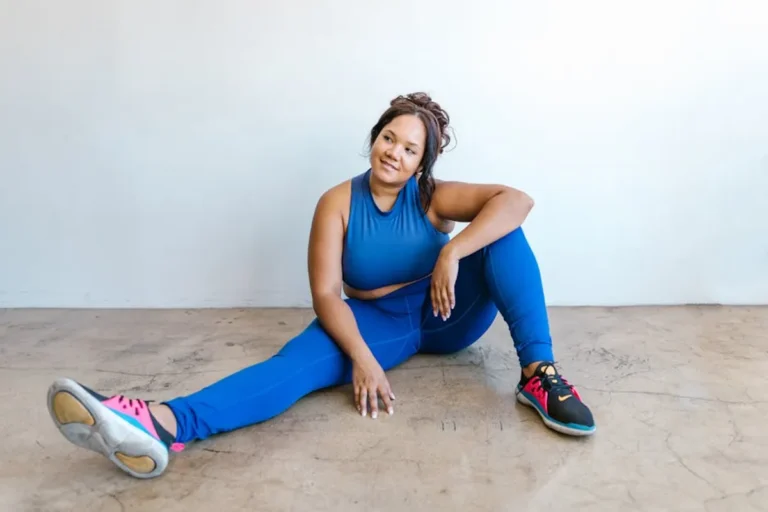
Compression garments are designed to fit snugly against the body, applying consistent pressure. This close fit minimizes fabric movement against the skin, reducing the risk of chafing, and supports muscles during strenuous activity. The graduated pressure can aid in venous return, potentially reducing muscle soreness post-exercise.
Athletic Fit Apparel
Best for: General gym workouts, team sports, and activities requiring a full range of motion without excess fabric.
An athletic fit provides a tapered silhouette that follows the body's natural lines without being overly tight. It allows for unrestricted movement, particularly in areas like the shoulders, elbows, and knees, while preventing loose fabric from interfering with equipment or technique. This fit balances comfort with a performance-oriented design.
Relaxed Fit Apparel
Best for: Casual wear, low-impact activities like walking or stretching, and layering.
Relaxed fit garments offer more room through the torso, arms, and legs. They prioritize comfort and breathability over muscle support or aerodynamic efficiency. While suitable for light activity, excess fabric can sometimes snag or impede movement during more dynamic exercises.
Activity-Specific Apparel Considerations
Matching apparel to the specific demands of your chosen activity maximizes both comfort and effectiveness.
Running Apparel
Runners prioritize lightweight, moisture-wicking fabrics to manage sweat and prevent chafing over long distances. Reflective elements are critical for visibility during low-light conditions. Seam placement is also important; flatlock seams reduce irritation, and minimal seams prevent rub points. For cold weather, layering systems that include a base layer, insulating mid-layer, and weather-resistant outer shell are essential.
Gym and Training Wear
Apparel for gym workouts needs to be durable, flexible, and capable of withstanding varied movements, from squats to overhead presses. Fabrics with significant stretch (e.g., high spandex content) are crucial for maintaining range of motion. Breathability is also key to prevent overheating during intense sessions. Reinforced stitching in high-stress areas like crotch seams or armholes contributes to garment longevity.
Yoga and Pilates Gear
For practices like yoga or Pilates, the primary focus is on non-restrictive movement and comfort. Soft, stretchy fabrics that allow for deep stretches and inversions are preferred. Apparel should be opaque even when stretched, and waistbands should be comfortable and stay in place without digging in. Minimal seams and tags prevent distractions during focused movements.
Pro Tip: Always check the care label before purchasing. Performance fabrics often require specific washing instructions to maintain their wicking properties and elasticity. High heat, fabric softeners, and harsh detergents can degrade technical fibers, significantly shortening the garment's lifespan and reducing its effectiveness.
Durability and Longevity of Athletic Gear
Investing in athletic apparel means considering its ability to withstand repeated use and washing cycles. High-quality garments feature reinforced stitching, especially at stress points like seams and hems, to prevent tearing. Fabric density and weave also contribute to durability; tightly woven synthetics generally offer more resistance to abrasion than loosely knit alternatives. Evaluating the quality of zippers, drawstrings, and other hardware ensures these components will function reliably over time. While initial cost may be higher, durable apparel often provides better long-term value due to extended wear.
Making an Informed Choice
Selecting athletic apparel requires a deliberate approach, moving beyond brand loyalty or superficial appeal. Prioritize functionality by understanding fabric technology, ensure the fit is appropriate for your body and activity, and consider the specific demands of your sport. Evaluate durability to ensure your investment lasts. By focusing on these core elements, you can build a wardrobe of athletic gear that genuinely enhances your performance and comfort, supporting your active lifestyle effectively.
Frequently Asked Questions
What does "moisture-wicking" mean for athletic apparel?
Moisture-wicking refers to a fabric's ability to pull sweat away from your skin and move it to the outer surface of the garment, where it can evaporate quickly. This process helps keep you dry, comfortable, and regulates body temperature during exercise.
Is cotton suitable for workouts?
Generally, cotton is not recommended for intense workouts. It absorbs moisture and holds it against the skin, leading to a heavy, damp feeling that can cause chafing and make you feel cold once you stop exercising.
How do I determine the correct size for compression wear?
For compression wear, consult the manufacturer's specific sizing chart. These garments are designed to fit snugly to apply pressure, but they should not be so tight that they restrict movement or cause discomfort. If you are between sizes, consider your comfort preference and the level of compression desired.
How should I care for my athletic apparel to extend its life?
Always follow the care instructions on the garment's label. Typically, this involves washing in cold water, avoiding fabric softeners (which can clog moisture-wicking fibers), and air drying or tumble drying on low heat. Turning garments inside out can also help protect prints and fabric integrity.