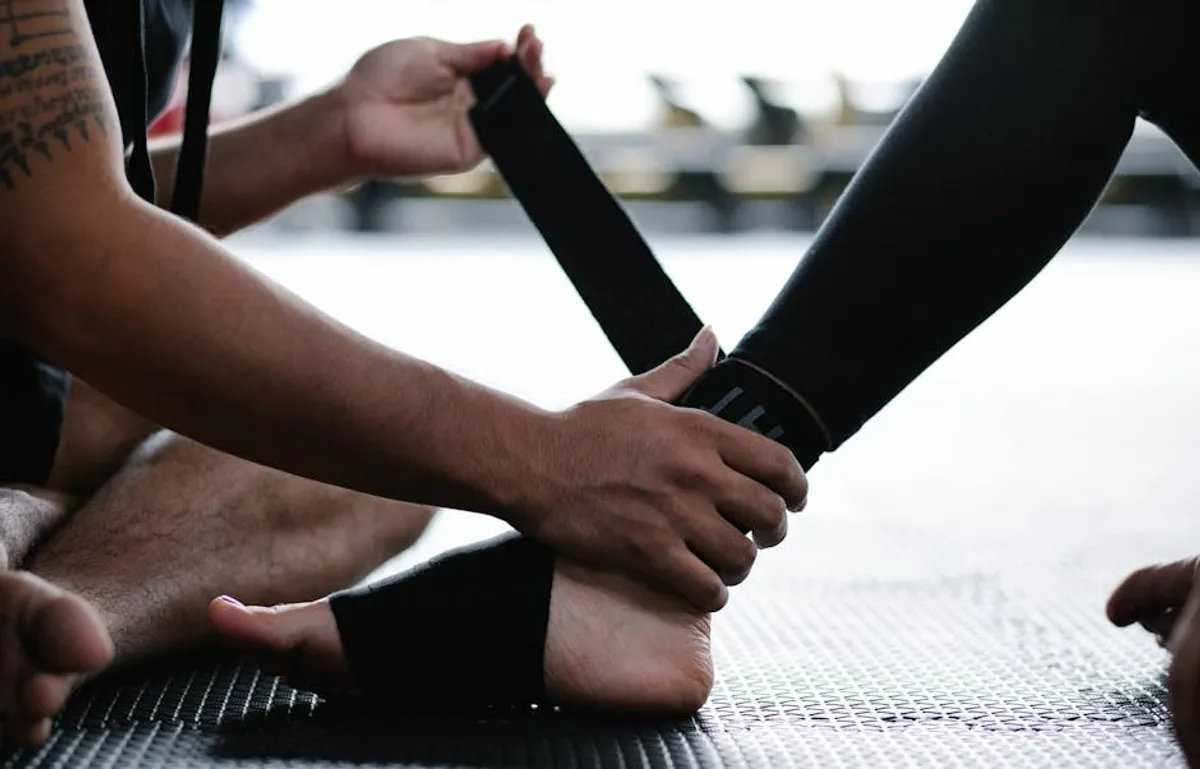
Compression wear has evolved from a niche medical aid into a widely adopted tool for athletes and individuals seeking enhanced well-being. Its core function involves applying controlled pressure to specific body parts, a mechanism that influences physiological processes like blood flow, muscle oscillation, and fluid retention. Understanding the specific benefits and appropriate use cases is crucial for selecting garments that deliver tangible results, whether the objective is accelerated recovery, improved athletic performance, or managing circulatory conditions.
What to Look For in Compression Wear
Selecting effective compression wear requires attention to several key characteristics beyond simple sizing. The efficacy of a garment hinges on its design, material, and the precise level of compression it provides for its intended application.
- Compression Level: This is typically measured in millimeters of mercury (mmHg) for medical-grade garments, or described as mild, moderate, or firm for athletic and everyday wear. Mild compression (8-15 mmHg) suits daily comfort and minor swelling. Moderate (15-20 mmHg) is common for athletic recovery, travel, and preventing varicose veins. Firm (20-30 mmHg) and extra-firm (30-40+ mmHg) are usually medically prescribed for conditions like DVT or lymphedema, requiring professional fitting. Ensure the compression is graduated, meaning it's tighter at the extremities and gradually lessens towards the heart, to promote optimal blood flow.
- Material Composition: High-performance compression wear typically blends synthetic fibers like nylon, spandex (elastane), and polyester. Nylon offers durability and a smooth feel. Spandex provides the necessary stretch and recovery, dictating the garment's ability to maintain compression over time. Polyester contributes moisture-wicking properties and breathability, crucial for comfort during activity or extended wear. Look for fabrics that balance these properties for breathability, durability, and effective compression.
- Fit and Sizing: Proper fit is paramount. A garment that is too loose will not provide effective compression, while one that is too tight can restrict circulation and cause discomfort. Manufacturers often provide detailed sizing charts based on measurements like calf circumference, thigh circumference, and inseam. Always measure accurately and compare against the specific brand's chart. The garment should feel snug and supportive without pinching, bunching, or leaving deep indentations on the skin.
- Design and Construction: Features like flatlock seams prevent chafing, especially important for active wear. Anatomical shaping, often with targeted panels, ensures the garment conforms to the body's contours for consistent pressure distribution. Reinforced areas, particularly around joints or high-wear zones, enhance durability and support. Some designs incorporate ventilation zones or anti-odor treatments, adding to user comfort during prolonged use.
- Intended Use: The specific application dictates the most suitable type of compression wear. Recovery garments might prioritize comfort and sustained mild pressure. Performance wear focuses on muscle support and oscillation reduction during activity. Medical compression targets specific circulatory or lymphatic conditions, often requiring higher mmHg levels and professional guidance. Daily wear items balance comfort with mild support for general well-being.
1. RecoveryFlex Post-Workout Tights
RecoveryFlex Post-Workout Tights are engineered specifically to support muscle repair and reduce delayed onset muscle soreness (DOMS) after strenuous physical activity. These full-length tights apply moderate, graduated compression across the quadriceps, hamstrings, glutes, and calves. The fabric blend prioritizes breathability and a soft hand feel, making them suitable for extended wear during the recovery phase, such as immediately post-exercise or overnight.
Best for: Athletes and fitness enthusiasts focused on accelerating recovery from high-intensity workouts, long runs, or strength training sessions.
Pros:
- Reduces muscle oscillation during activity, mitigating micro-trauma.
- Promotes blood flow to aid in lactic acid removal and nutrient delivery.
- Comfortable for prolonged wear, including sleep, due to softer compression.
- Minimizes post-exercise swelling and muscle stiffness.
Cons:
- May not offer sufficient support for high-impact activities during wear.
- Requires careful sizing to ensure effective graduated compression.
- Can feel warm in hot climates if worn for extended periods.
Verdict: An effective choice for dedicated recovery, these tights contribute to quicker bounce-back times and reduced soreness, allowing for more consistent training schedules.
2. AeroFlow Performance Sleeves
AeroFlow Performance Sleeves, available for arms and calves, are designed for use during physical activity to enhance performance and provide targeted muscle support. The material features a tighter knit and a firmer compression profile than recovery-focused garments, aiming to stabilize muscles, reduce vibration, and maintain optimal blood flow during exercise. They are lightweight and moisture-wicking, ensuring comfort even during intense exertion.
Best for: Runners, cyclists, basketball players, and those engaging in activities where targeted limb support and reduced muscle fatigue are beneficial.
Pros:
- Stabilizes muscles to reduce fatigue and risk of injury during activity.
- Improves proprioception, enhancing body awareness.
- Lightweight and breathable, minimizing heat retention.
- Offers UV protection for outdoor activities.
Cons:
- Does not provide full-body compression or support.
- Requires specific sizing for each limb to be effective.
- Can be prone to slipping if not fitted correctly.
Verdict: Ideal for athletes seeking focused muscle support and reduced fatigue in specific limbs, allowing for sustained performance through longer or more intense sessions.
3. MediSupport Graduated Stockings
MediSupport Graduated Stockings are medical-grade compression garments, typically ranging from 20-30 mmHg or higher. These stockings are prescribed for managing conditions such as chronic venous insufficiency, lymphedema, and preventing deep vein thrombosis (DVT). They feature precise, graduated compression, with the tightest pressure at the ankle and decreasing pressure upwards, which actively assists venous return and reduces fluid pooling in the lower extremities. The material is robust and designed for durability with consistent compression.
Best for: Individuals with diagnosed circulatory conditions, post-surgical recovery, or those at high risk of DVT, under medical supervision.
Pros:
- Highly effective for managing serious circulatory and lymphatic conditions.
- Prevents fluid accumulation and reduces swelling significantly.
- Durable construction maintains therapeutic compression over time.
- Available in various lengths (knee-high, thigh-high, pantyhose) to target specific areas.
Cons:
- Requires professional fitting to ensure correct compression and avoid adverse effects.
- Can be challenging to put on due to high compression levels.
- Less comfortable for casual wear compared to athletic compression.
Verdict: Essential for therapeutic applications, these stockings provide critical support for medical conditions requiring consistent, high-level graduated compression, but must be used under professional guidance.
4. TravelEase Flight Socks
TravelEase Flight Socks are designed specifically to combat the risks associated with prolonged sitting, such as during long flights or extended desk work. These socks typically offer mild to moderate graduated compression (8-20 mmHg) to encourage healthy blood circulation in the lower legs. The material is often softer and more comfortable for long periods of inactivity, preventing blood pooling and reducing the sensation of heavy, tired legs and swelling in the ankles and feet.
Best for: Frequent travelers, individuals with sedentary jobs, or anyone facing long periods of immobility who wants to prevent leg swelling and discomfort.
Pros:
- Effectively prevents ankle and foot swelling during long periods of sitting.
- Reduces the risk of DVT for susceptible individuals during travel.
- Comfortable enough for all-day wear.
- Easy to put on and take off compared to higher compression garments.
Cons:
- Lower compression levels are not suitable for serious medical conditions.
- May not provide significant athletic performance benefits.
- Material can sometimes feel warm in very hot environments.
Verdict: A practical solution for mitigating travel-related leg discomfort and reducing DVT risk, offering a balance of effective circulation support and wearability for extended inactivity.
5. ThermoCore Base Layers
ThermoCore Base Layers combine the benefits of compression with thermal regulation, making them ideal for cold weather activities. These garments offer mild to moderate compression across the torso and limbs, providing muscle support while the specialized fabric traps body heat. The material is typically a blend of synthetic fibers designed to wick moisture away from the skin, preventing chill and maintaining warmth even during active pursuits in low temperatures.
Best for: Winter sports enthusiasts, outdoor workers, or anyone needing thermal insulation and muscle support in cold environments.
Pros:
- Provides effective thermal insulation in cold conditions.
- Wicks moisture to keep the wearer dry and warm.
- Offers mild compression for muscle support and reduced fatigue.
- Acts as a comfortable first layer under other clothing.
Cons:
- Not suitable for warm weather due to heat retention.
- Compression level may be less targeted than specialized performance gear.
- Can feel bulky under very tight outer layers.
Verdict: An excellent dual-purpose garment for cold climates, offering warmth and foundational muscle support, making it invaluable for winter athletic or outdoor activities.
6. HydroVent Active Shorts
HydroVent Active Shorts are engineered for hot weather and intense workouts where moisture management is critical. These shorts provide moderate compression to the upper legs and glutes, supporting key muscle groups. The fabric is highly breathable, ultra-lightweight, and features advanced moisture-wicking technology to draw sweat away from the skin rapidly, promoting evaporative cooling. Ventilation panels are often integrated into high-sweat areas to further enhance airflow.
Best for: Runners, CrossFit athletes, and individuals training in hot and humid conditions who require muscle support without overheating.
Pros:
- Exceptional moisture-wicking and breathability for hot climates.
- Provides targeted compression to large leg muscles.
- Lightweight design minimizes bulk and restriction.
- Reduces chafing during high-movement activities.
Cons:
- Limited to lower body compression.
- May not offer sufficient thermal insulation for cooler weather.
- Can show sweat marks more prominently if not designed with specific patterns.
Verdict: A crucial piece of gear for warm-weather training, these shorts deliver essential muscle support and unparalleled comfort through superior ventilation and moisture management.
7. JointGuard Knee Supports
JointGuard Knee Supports are specialized compression garments designed to provide targeted stability and proprioceptive feedback to specific joints. These supports typically feature a higher compression profile directly around the knee joint, often with integrated silicone grips or anatomical padding to ensure placement and enhance support. They aim to reduce swelling, alleviate minor pain, and improve confidence during movement without severely restricting range of motion.
Best for: Individuals with mild knee instability, recovering from minor knee injuries, or seeking preventative support during activities that stress the knee joint.
Pros:
- Provides focused compression and support directly to the knee.
- Enhances proprioception, improving joint awareness and stability.
- Reduces swelling and can alleviate minor joint pain.
- Allows for a full range of motion compared to rigid braces.
Cons:
- Not suitable for severe knee injuries requiring rigid immobilization.
- Can sometimes roll down or bunch if not properly sized.
- May cause skin irritation if worn for very long periods without breaks.
Verdict: An effective solution for mild joint support and injury prevention, offering targeted compression that aids in stability and reduces discomfort during activity without impeding movement.
8. Maternity Embrace Leggings
Maternity Embrace Leggings are specifically engineered to provide gentle, supportive compression for expectant mothers. These leggings feature a flexible, high-waisted design that comfortably accommodates a growing belly while offering mild graduated compression to the legs. The primary benefits include reducing swelling in the legs and ankles, alleviating pressure on the lower back and pelvis, and improving overall comfort during pregnancy. The fabric is often soft, breathable, and designed for all-day wear.
Best for: Pregnant individuals seeking relief from leg swelling, back pain, and general discomfort associated with pregnancy.
Pros:
- Provides gentle, supportive compression to reduce leg swelling and fatigue.
- Offers comfortable abdominal and lower back support.
- Designed to grow with the body throughout pregnancy.
- Soft, breathable fabric ensures all-day comfort.
Cons:
- Compression levels are mild and not for serious medical conditions.
- Can feel warm in very hot weather.
- Sizing can be challenging to predict as pregnancy progresses.
Verdict: A valuable garment for maternity comfort, these leggings effectively address common pregnancy discomforts by providing gentle compression and essential support.
9. ImpactShield Elite Gear
ImpactShield Elite Gear represents a category of compression wear designed for high-impact sports and activities where both muscle support and some level of impact protection are beneficial. These garments often integrate specialized padding or reinforced zones in areas prone to impact, such as hips, knees, or shoulders, while maintaining a firm compression profile. The fabric is highly durable and resilient, built to withstand abrasive contact and repetitive stress inherent in sports like football, rugby, or martial arts.
Best for: Athletes in contact sports or activities with a high risk of scrapes, bruises, or minor impacts who also desire muscle stabilization.
Pros:
- Provides targeted impact protection in key areas.
- Offers firm compression for significant muscle stabilization.
- Durable construction withstands rigorous athletic demands.
- Reduces skin abrasions and minor contusions.
Cons:
- Padding can add bulk and may restrict extreme flexibility slightly.
- Can be warmer due to additional material and padding.
- Typically more expensive than standard compression wear.
Verdict: An essential choice for high-contact sports, combining robust muscle compression with critical impact protection to enhance safety and performance during aggressive play.
10. ComfyStride Daily Socks
ComfyStride Daily Socks are designed for everyday wear, offering mild compression (typically 8-15 mmHg) to promote general leg health and comfort. These socks aim to prevent minor swelling, reduce fatigue from prolonged standing or sitting, and provide a subtle sense of support without the restrictive feel of higher-grade compression. They are often made from softer, more breathable materials like cotton blends, making them suitable for office environments, casual outings, or light activity.
Best for: Individuals seeking mild support for daily activities, prevention of minor leg fatigue, or those new to compression wear.
Pros:
- Enhances daily comfort and reduces minor leg fatigue.
- Helps prevent mild ankle and foot swelling.
- Discreet and comfortable for all-day wear in various settings.
- Easy to integrate into an everyday wardrobe.
Cons:
- Compression level is too low for significant medical or athletic benefits.
- May wear out faster than specialized athletic or medical compression.
- Limited color and style options for some preferences.
Verdict: An accessible entry point into compression benefits, these socks offer practical, gentle support for daily well-being, combating common leg discomfort without specialized application.
11. CircuBoost Ankle Socks
CircuBoost Ankle Socks are specifically engineered to provide targeted, graduated compression around the ankle and lower calf area, primarily focusing on enhancing local circulation. These socks typically feature moderate compression (15-20 mmHg) and are designed to be discreet and comfortable for wear with various footwear. They are often utilized by individuals experiencing mild foot and ankle swelling or those seeking to improve blood flow to the extremities during prolonged periods of standing or light activity.
Best for: Individuals with mild ankle swelling, those standing for long periods, or seeking localized circulation improvement without full calf coverage.
Pros:
- Targets specific ankle and foot swelling effectively.
- Discreet design for wear with low-cut shoes.
- Promotes localized blood flow to the extremities.
- Comfortable for daily wear and light activity.
Cons:
- Does not provide compression to the full calf or upper leg.
- May not be suitable for conditions requiring higher or broader compression.
- Can sometimes roll down if not properly sized.
Verdict: An excellent choice for focused ankle and foot support, these socks provide effective localized compression to alleviate minor swelling and enhance circulation in the lower extremities.
12. PostureAlign Upper Body Shirt
PostureAlign Upper Body Shirts are designed to provide mild to moderate compression across the shoulders, back, and core, with the primary aim of promoting better posture and providing subtle muscular support. These shirts often feature targeted compression panels that gently pull the shoulders back and encourage a more upright spinal alignment. The fabric is typically breathable and stretchy, allowing for full range of motion while providing constant, gentle proprioceptive feedback to the wearer.
Best for: Individuals seeking to improve posture, alleviate minor upper back fatigue, or provide foundational core support during daily activities or light exercise.
Pros:
- Encourages improved posture and spinal alignment.
- Provides subtle support to core and back muscles.
- Can reduce upper back and shoulder fatigue.
- Comfortable enough for extended wear under clothing.
Cons:
- Not a substitute for professional medical treatment for severe postural issues.
- Compression may feel restrictive to some users initially.
- Limited to upper body benefits.
Verdict: A practical garment for daily postural awareness and support, this shirt offers a non-invasive way to encourage better alignment and reduce common upper body fatigue.
Choosing the Right Compression Wear and Measuring Success
Selecting the appropriate compression wear involves a careful assessment of individual needs, intended use, and desired outcomes. Begin by clearly defining your primary objective: is it athletic performance, post-exercise recovery, medical support for a specific condition, or general daily comfort? This initial clarity will narrow down the options significantly.
For athletic applications, consider the intensity and duration of your activity. Performance-oriented garments will prioritize muscle stabilization and moisture management, while recovery wear will focus on blood flow and comfort for extended post-activity use. For medical purposes, consulting a healthcare professional is non-negotiable; they can recommend the correct compression level (mmHg) and type for conditions like DVT, lymphedema, or severe varicose veins. In these cases, professional fitting is often required to ensure therapeutic efficacy and prevent complications. For daily wear, prioritize comfort, breathability, and a compression level that feels supportive without being restrictive.
Accurate sizing is paramount. Do not rely on general clothing sizes; instead, use a measuring tape to gather precise circumference measurements for the relevant body parts (e.g., calf, ankle, thigh, bicep) and compare these against the manufacturer's specific sizing chart. A poorly fitting garment, whether too loose or too tight, will either be ineffective or detrimental.
Measuring the success of compression wear can be both subjective and objective. Subjectively, pay attention to reduced muscle soreness, decreased fatigue, less swelling, and an overall feeling of support and comfort. For athletes, this might manifest as feeling fresher for subsequent training sessions or experiencing less muscle oscillation during activity. Objectively, success for recovery can be measured by faster return to baseline muscle function or reduced circumference measurements of swollen limbs. For medical users, success is often quantified by reduced edema, improved circulation markers, or symptomatic relief as monitored by a physician. Keep a journal of your experiences to track these changes over time.
Frequently Asked Questions About Compression Wear
How does compression wear work?
Compression wear functions by applying graduated pressure to the body, typically tighter at the extremities and gradually less so towards the heart. This pressure helps