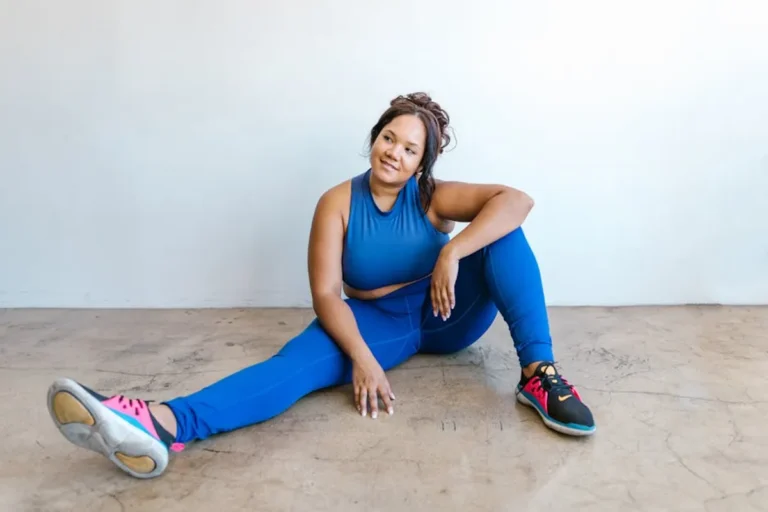
Choosing the correct outdoor sportswear transcends mere aesthetics; it directly impacts safety, comfort, and performance in varying environments. The right gear enables adaptation to fluctuating weather conditions, protects against environmental hazards, and supports the physical demands of your chosen activity. This guide breaks down the essential considerations for selecting apparel that performs when it matters most, focusing on material science, layering strategies, activity-specific requirements, and functional design. This guide breaks down the essential considerations for selecting apparel that performs when it matters most, focusing on material science, layering strategies, activity-specific requirements, and functional design, acting as a comprehensive outdoor sportswear buyer guide.
Understanding Material Science: The Foundation of Performance
The core of effective outdoor sportswear lies in its material composition. Different fibers and fabric constructions offer distinct advantages, engineered to manage moisture, provide insulation, or repel external elements. Understanding these properties is crucial for building a functional outdoor wardrobe.
Base Layers: Moisture Management
Base layers are worn directly against the skin and are primarily responsible for wicking moisture (sweat) away from the body. This prevents chilling, which is critical for maintaining core body temperature, especially in cold or variable conditions. Effective base layers dry quickly, reducing discomfort and the risk of hypothermia.
- Merino Wool: Offers excellent warmth-to-weight ratio, natural odor resistance, and retains insulating properties even when damp. It's comfortable against the skin and suitable for a wide range of temperatures.
- Synthetic Fabrics (Polyester, Polypropylene): Highly effective at wicking moisture, quick-drying, and generally more durable than wool for high-abrasion activities. They are often more affordable and come in various weights for different conditions.
- Avoid Cotton: Cotton absorbs moisture and holds it against the skin, leading to rapid heat loss and discomfort in cool or cold environments. It's unsuitable for any activity where you might sweat or encounter rain.
Mid Layers: Insulation and Warmth
Mid layers provide insulation, trapping body heat to maintain warmth. The choice of mid layer depends on the ambient temperature and your activity level. They should be breathable enough to allow some moisture vapor to escape, preventing overheating.
- Fleece (Polyester): Lightweight, breathable, and quick-drying. Fleece comes in various weights (100, 200, 300 series) to provide different levels of warmth. It's a versatile and cost-effective insulating option.
- Down: Offers superior warmth-to-weight ratio and compressibility, making it ideal for cold, dry conditions where packability is key. Its insulating properties are significantly compromised when wet.
- Synthetic Insulation: Designed to mimic down's warmth while retaining insulating properties when damp. It's often more durable and easier to care for than down, making it suitable for wet or humid cold environments.
Outer Layers: Protection from Elements
The outer layer, or shell, provides protection from wind, rain, and snow. Its primary function is to shield you from the elements while allowing internal moisture vapor to escape, preventing a clammy feeling inside.
- Waterproof/Breathable Shells: Constructed with membranes (e.g., ePTFE-based fabrics, proprietary polyurethane films) that block liquid water from entering but allow water vapor to escape. Look for hydrostatic head ratings (e.g., 10,000mm+) for waterproofing and MVTR (Moisture Vapor Transmission Rate) for breathability.
- Water-Resistant Shells: Offer lighter protection against light rain and wind. They are typically more breathable and packable than fully waterproof options but will eventually soak through in sustained precipitation.
- Windproof Shells: Designed specifically to block wind, which can significantly reduce perceived temperature (wind chill). These often have a durable water repellent (DWR) finish for light moisture resistance.
Layering Systems: Adaptability for Dynamic Conditions
The three-layer system (base, mid, outer) is a fundamental concept in outdoor apparel, allowing for flexible adaptation to changing weather and activity levels. Each layer serves a distinct purpose, and combining them strategically provides optimal comfort and protection.
Proper layering allows you to add or remove garments as conditions or your exertion level changes. This prevents both overheating and chilling, critical for energy conservation and safety. For instance, during a strenuous ascent, you might shed your mid-layer, then put it back on during a break or descent.
Activity-Specific Considerations
The demands of your chosen activity should heavily influence your sportswear selection. Gear designed for one sport may be inefficient or even unsafe for another.
Hiking and Backpacking
Prioritize durability, weather protection, and comfort over long periods. Look for abrasion-resistant fabrics, ample pocket space, and features like adjustable hoods and cuffs. Footwear is paramount, requiring sturdy, supportive boots with good traction.
Running and Cycling
Focus on lightweight, highly breathable, and moisture-wicking materials. Ergonomic fit that allows for full range of motion is essential. Reflective elements are crucial for visibility in low-light conditions. Cycling gear often includes padded shorts and aerodynamic designs.
Water Sports
For activities like kayaking or paddleboarding, quick-drying materials are paramount. Neoprene offers insulation even when wet, making it suitable for cooler water temperatures. Sun protection (UPF-rated fabrics) is also a key consideration for prolonged exposure.
Fit and Functionality: Movement and Comfort
Beyond materials, the cut and features of sportswear significantly impact its utility. A garment must fit correctly to perform its intended function without restricting movement or causing chafing.
Pro Tip: Always try on outdoor sportswear with the layers you expect to wear underneath. A jacket that fits perfectly over a t-shirt might be too snug over a mid-layer fleece, compromising insulation and movement.
Consider the following:
- Ergonomic Design: Articulated knees and elbows, gusseted crotches, and stretch panels allow for unrestricted movement during dynamic activities.
- Seam Construction: Flatlock seams reduce chafing, especially important for base layers and garments worn under packs. Fully taped seams are essential for waterproof outerwear.
- Zippers and Vents: High-quality, water-resistant zippers are crucial for outer layers. Pit zips and other ventilation options allow for rapid temperature regulation without fully removing a layer.
- Pockets and Storage: Strategically placed pockets that are accessible even when wearing a backpack or harness add practical utility.
- Adjustability: Cuffs, hems, and hoods with drawcords or Velcro tabs allow for fine-tuning the fit and sealing out elements.
Weather Preparedness: Anticipating the Elements
Your sportswear choices must align with the expected weather conditions. This involves more than just temperature; it includes precipitation, wind, and sun exposure.
For cold, wet conditions, waterproof-breathable outer layers are non-negotiable. In windy environments, windproof shells prevent heat loss. For sunny, exposed areas, UPF-rated clothing, wide-brimmed hats, and sunglasses are essential to prevent sunburn and heatstroke. Always check the forecast and pack for potential changes, as mountain weather can be notoriously unpredictable.
Making Your Informed Choice
Selecting outdoor sportswear is an investment in your comfort, safety, and enjoyment of the outdoors. By focusing on the functional properties of materials, understanding the benefits of a layering system, and considering the specific demands of your activity and environment, you can build a versatile and effective wardrobe. Prioritize performance and durability over fleeting trends, ensuring your gear supports your adventures for years to come.
Frequently Asked Questions
What is the most important factor when choosing outdoor sportswear?
The most important factor is the intended activity and the environmental conditions you expect to encounter. This dictates the necessary protection, insulation, and moisture management properties your gear must provide.
Is cotton ever appropriate for outdoor activities?
Generally, no. Cotton absorbs and holds moisture, leading to rapid heat loss and potential hypothermia in cool or cold conditions. It is only suitable for very casual, low-exertion activities in warm, dry environments where getting wet is not a concern.
How do I care for technical outdoor sportswear?
Always follow the manufacturer's care instructions, typically found on the garment's tag. For most technical fabrics, this involves washing with a specialized detergent (avoiding fabric softeners), gentle cycles, and air drying or low-heat tumble drying to preserve fabric integrity and DWR treatments.
What does "DWR" mean in outdoor clothing?
DWR stands for Durable Water Repellent. It's a coating applied to the outer fabric of many outdoor garments, causing water to bead up and roll off. While it doesn't make a garment fully waterproof, it prevents the face fabric from wetting out, which helps maintain breathability and overall comfort.