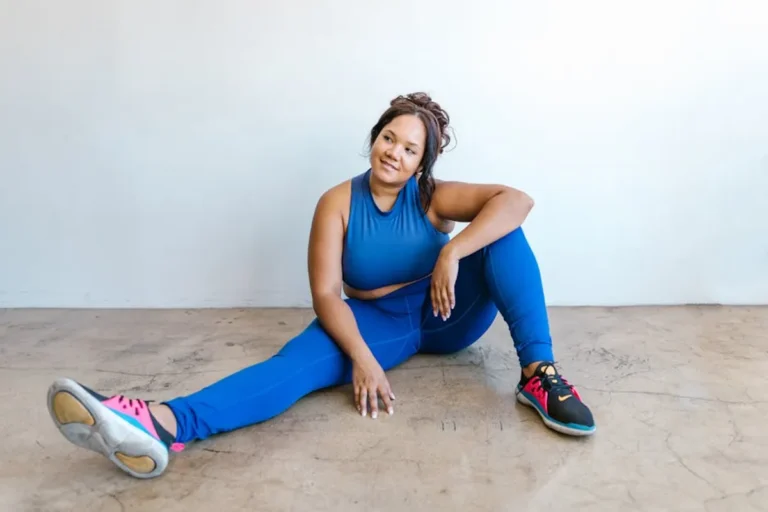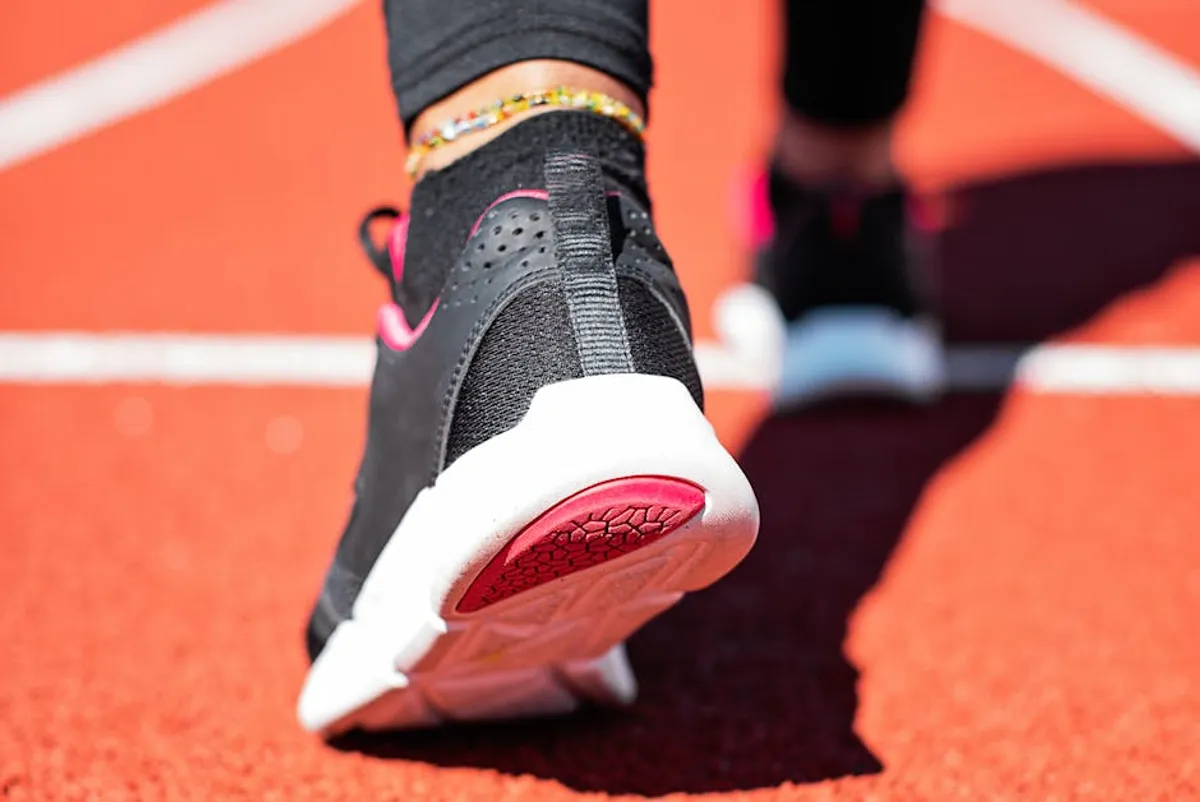
Selecting the right running shoes extends beyond aesthetics; it directly impacts performance, comfort, and injury prevention. The sheer variety of models, technologies, and features available can make the purchasing decision feel overwhelming. This guide simplifies the process by breaking down the critical factors to consider, ensuring you choose a pair that aligns with your unique biomechanics, running style, and intended use.
Understanding Your Foot and Gait
The foundation of choosing appropriate running shoes begins with understanding your own feet and how they move. Ignoring these personal characteristics often leads to discomfort, reduced efficiency, and potential injuries.
Foot Type and Arch Support
Your foot's arch height and pronation pattern are primary indicators for shoe selection. Pronation refers to the natural inward rolling motion of the foot during impact, which helps absorb shock. Identifying your pronation type helps narrow down shoe categories.
- Neutral Pronation: The foot rolls inward about 15 degrees, distributing impact evenly. Runners with neutral pronation typically have medium arches and can wear neutral shoes.
- Overpronation: The foot rolls inward excessively, often associated with flat or low arches. This can lead to instability and requires stability or motion control shoes designed to limit the inward roll.
- Supination (Underpronation): The foot rolls outward, placing pressure on the outer edge. This is less common and typically seen in runners with high arches. Supinators generally benefit from neutral shoes with ample cushioning and flexibility to encourage natural foot motion.
You can roughly assess your arch type with a "wet test" by stepping on a piece of paper after wetting your foot. A full imprint indicates a low arch, a partial imprint suggests a neutral arch, and a thin outer line points to a high arch.
Running Gait and Biomechanics
Beyond arch type, observing your running gait—how your foot strikes the ground, transitions, and pushes off—provides further insight. Wear patterns on old running shoes can offer clues: even wear suggests neutral pronation, heavy wear on the inside indicates overpronation, and wear on the outside points to supination.
Key Shoe Characteristics to Consider
Once you understand your foot's mechanics, evaluate shoe features that complement your needs.
Cushioning Level
Cushioning refers to the amount of shock absorption material in the midsole. It directly impacts comfort and ground feel.
- Minimalist: Offers very little cushioning, promoting a more natural, barefoot-like feel. Best for experienced runners with strong feet and efficient form.
- Moderate: A balanced approach, providing sufficient shock absorption for daily training without excessive bulk. Suitable for a wide range of runners.
- Maximum: Features thick midsoles for plush comfort and significant impact protection. Ideal for long-distance runners, those seeking extra comfort, or runners recovering from injuries.
Cushioning materials vary, with EVA (ethylene-vinyl acetate) being common for its lightweight and responsive properties, while TPU (thermoplastic polyurethane) offers greater durability and consistent performance across temperatures.
Drop (Heel-to-Toe Offset)
The drop is the difference in height between the heel and the forefoot of the shoe, measured in millimeters.
- High Drop (10-12mm+): Traditional design, often preferred by heel strikers. Can alleviate strain on the Achilles tendon and calves.
- Moderate Drop (4-8mm): A common balance, suitable for various foot strikes.
- Low Drop (0-4mm): Encourages a midfoot or forefoot strike, promoting a more natural running form. Requires a transition period to strengthen calves and ankles.
Upper Material and Fit
The upper holds the foot securely and provides breathability. Most modern uppers use engineered mesh, offering a balance of flexibility, support, and airflow. The fit should be snug in the heel and midfoot, with ample room in the toe box for your toes to splay naturally. Ensure no pinching or rubbing points, especially around the ankle collar.
Outsole Durability and Tread
The outsole provides traction and wear resistance. Road running shoes typically feature smoother outsoles with strategically placed durable rubber. Trail running shoes have aggressive lugs for grip on uneven terrain and often use stickier rubber compounds. Carbon rubber offers superior durability, while blown rubber provides better cushioning and flexibility.
Pro Tip: Always try on running shoes at the end of the day or after a run. Your feet swell throughout the day, and trying them on when they are at their largest ensures a comfortable fit during actual use. Wear the socks you typically run in for an accurate feel.
Types of Running Shoes
Shoes are often categorized by their intended use or the support they offer.
Road Running Shoes
Best for: Paved surfaces, sidewalks, treadmills.
These shoes prioritize cushioning and flexibility to handle the repetitive impact of hard surfaces. Their outsoles are designed for smooth traction and minimal bulk.
Trail Running Shoes
Best for: Dirt paths, rocky terrain, mud.
Trail shoes feature rugged outsoles with deep lugs for enhanced grip, reinforced uppers for protection against debris, and often a rock plate in the midsole to shield the foot from sharp objects. They tend to be less flexible than road shoes to provide more stability.
Stability Shoes
Best for: Runners with mild to moderate overpronation.
These shoes incorporate features like a medial post (a denser foam wedge on the inside of the midsole) or guide rails to reduce excessive inward rolling of the foot, guiding it into a more neutral position. They offer a balance of cushioning and support.
Neutral Shoes
Best for: Runners with neutral pronation or supination.
Neutral shoes focus on cushioning and flexibility without additional stability features. They allow the foot to move naturally, providing shock absorption without interfering with the foot's natural motion.
Racing Flats and Performance Trainers
Best for: Speed workouts, races, experienced runners.
These shoes are lightweight, highly responsive, and offer minimal cushioning. They are designed for speed and efficiency over comfort or durability, making them unsuitable for everyday training for most runners.
Making an Informed Decision
Choosing the right running shoes is a personal process. Start by understanding your foot type and gait. Then, consider the terrain you'll be running on most frequently and your preferred level of cushioning. Don't rush the decision; take the time to try on several pairs, walk or jog in them, and compare how they feel. A well-chosen pair of running shoes is an investment in your comfort, performance, and long-term running health.
Running Shoe FAQs
How often should I replace my running shoes?
Most running shoes last between 300 to 500 miles, or approximately every 4 to 6 months for regular runners. However, this can vary based on your weight, running style, and the terrain you frequent. Pay attention to signs of wear, such as reduced cushioning, visible outsole wear, or new aches and pains after runs.
Should I buy a half size up in running shoes?
Many runners find it beneficial to go up a half size from their casual shoe size. This accounts for foot swelling during runs and ensures adequate space in the toe box, preventing issues like black toenails. There should be a thumb's width of space between your longest toe and the end of the shoe.
Can I use trail running shoes for road running?
While technically possible, it's not ideal for consistent road running. Trail shoes' aggressive lugs can wear down quickly on pavement, reducing their effectiveness on trails. They also tend to be stiffer and heavier, offering less cushioning and flexibility than road-specific shoes, which can lead to discomfort over time on hard surfaces.