
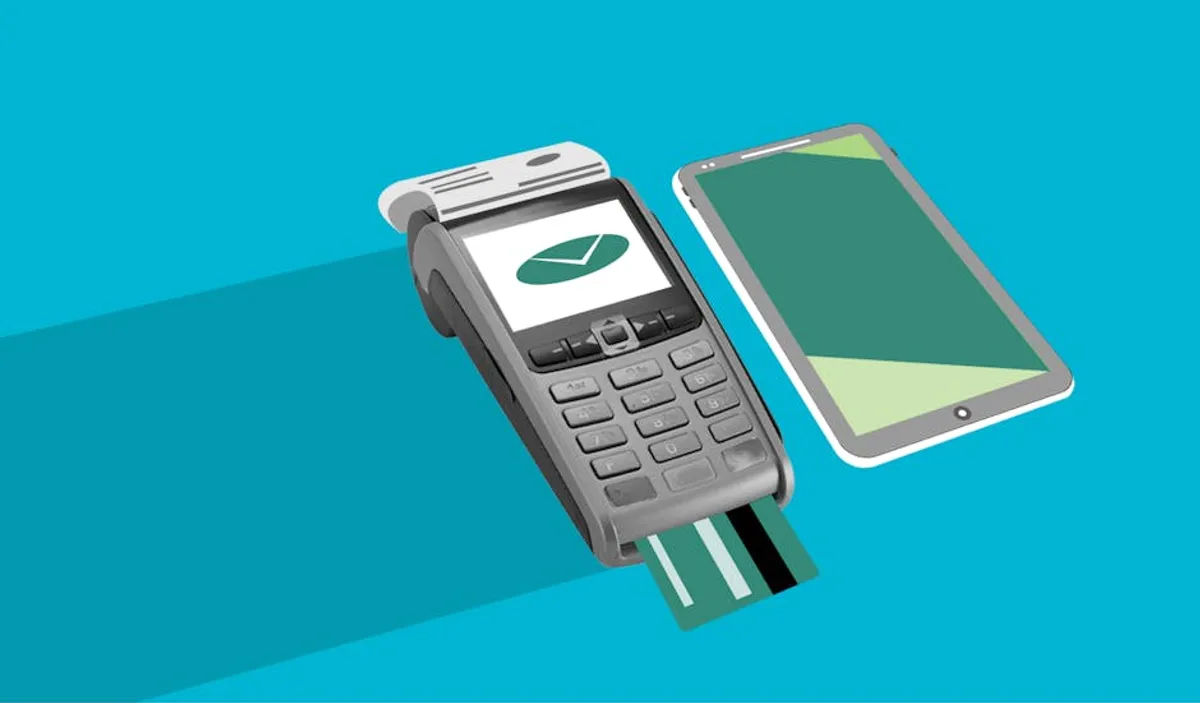
The landscape of online commerce is fundamentally shaped by how transactions occur. For businesses operating digitally, understanding the evolution of payment systems is not merely an academic exercise; it is a direct determinant of market reach, conversion rates, and operational efficiency. The choice of payment infrastructure directly influences customer trust, security posture, and the ability to scale globally. A payment system that was cutting-edge five years ago might now be a barrier to entry, while emerging methods offer new avenues for customer acquisition and retention. Merchants must continuously evaluate their payment stack to remain competitive and meet shifting consumer expectations.
From Early Gateways to Card Dominance
The initial phase of online commerce was characterized by significant friction in transaction processing. Early internet businesses relied on rudimentary systems, often involving manual order processing or direct bank transfers, which were slow, insecure, and not scalable. The critical shift arrived with the integration of credit card processing. This established a more familiar and trusted payment mechanism for consumers, mirroring offline retail experiences.
Payment gateways emerged as essential intermediaries, securely routing transaction data between the merchant's website, the acquiring bank, and the card networks (Visa, Mastercard, etc.). These gateways handled the encryption and tokenization of sensitive cardholder information, providing the first layer of digital security. Processors, distinct from gateways, then managed the actual movement of funds. This foundational architecture, while complex, enabled a significant boom in online retail by standardizing transaction flows and introducing a degree of reliability that was previously absent.
The Rise of Digital Wallets and Alternative Methods
The subsequent evolution focused on enhancing convenience and speed, driven by mobile technology and consumer demand for frictionless experiences. Digital wallets became a pivotal development, abstracting away the need to manually enter card details for each purchase. Solutions like PayPal gained widespread adoption by offering a single login for multiple payment sources, reducing checkout times and increasing conversion rates, particularly on mobile devices.
The proliferation of smartphones further accelerated this trend, leading to native mobile payment integrations that leverage device security features like biometrics. Beyond traditional card-based payments, the market also saw the rise of alternative payment methods (APMs) tailored to specific regions or consumer preferences. These include:
- Bank transfers: Direct debit and instant bank transfers, particularly prevalent in European markets.
- Carrier billing: Allowing purchases to be charged directly to a phone bill, common for digital content.
- Prepaid cards and vouchers: Offering a controlled spending limit and anonymity.
- Buy Now, Pay Later (BNPL): Services that allow consumers to split purchases into interest-free installments, significantly boosting conversion and average order value for many merchants. These platforms act as a bridge, paying the merchant upfront and managing consumer repayments.
Security, Compliance, and Building Trust
As online transactions grew, so did the sophistication of cyber threats. Security and compliance became non-negotiable pillars of any robust payment system. The Payment Card Industry Data Security Standard (PCI DSS) was established to mandate controls around cardholder data, requiring merchants and service providers to implement stringent security measures. Adherence to PCI DSS is crucial for avoiding penalties and maintaining the ability to process card payments.
Fraud prevention technologies have advanced significantly, moving beyond simple address verification to incorporate machine learning and artificial intelligence. These systems analyze vast datasets to detect anomalous transaction patterns in real-time, flagging or blocking potentially fraudulent purchases before they are completed. This proactive approach minimizes chargebacks and protects both merchants and consumers. Furthermore, global data privacy regulations like GDPR and CCPA have added layers of complexity, requiring merchants to carefully manage how customer payment information is collected, stored, and processed, reinforcing the need for secure, compliant payment partners.
Pro Tip: Regularly audit your payment gateway's security protocols and ensure your website adheres to the latest PCI DSS compliance standards. A single data breach can erode customer trust and incur substantial financial and reputational damage.
Global Reach and Local Preferences
Expanding into international markets necessitates a payment strategy that acknowledges diverse local preferences and regulatory frameworks. While credit cards are globally accepted, their dominance varies significantly by region. In some countries, local debit card schemes, digital wallets, or even cash-on-delivery remain prevalent. Merchants aiming for global reach must integrate a payment stack that supports these regional specificities, offering a tailored checkout experience.
Cross-border transactions also introduce complexities related to currency conversion, foreign exchange rates, and varying transaction fees. Dynamic Currency Conversion (DCC) can offer customers the option to pay in their home currency, but merchants must carefully manage the associated costs and transparency. A payment solution that can process multiple currencies, offer competitive exchange rates, and navigate local banking regulations efficiently is critical for successful international expansion.
Emerging Payment Technologies
The evolution continues with several nascent technologies poised to reshape online commerce further:
Cryptocurrencies and Blockchain
While still niche, cryptocurrencies like Bitcoin and Ethereum offer decentralized payment rails, potentially reducing transaction fees and speeding up cross-border payments by removing traditional intermediaries. Blockchain technology, underpinning cryptocurrencies, also offers enhanced transparency and immutability for transaction records, which could have implications for auditing and fraud prevention. Adoption depends on regulatory clarity, price stability, and user familiarity.
Biometric Authentication
Fingerprint scans, facial recognition, and iris scans are already common for device unlocking and mobile payments. Their integration into broader online checkout flows promises enhanced security and even greater convenience, eliminating the need for passwords or PINs. This reduces friction and improves the user experience.
Invisible Payments
The concept of "invisible payments" involves transactions that occur seamlessly in the background, often after an initial setup. Examples include ride-sharing apps where payment happens automatically upon trip completion, or subscription services. This aims for a truly frictionless experience, where the act of paying becomes almost imperceptible to the consumer.
Optimizing Your Payment Ecosystem
For any online business, the payment ecosystem is a critical component of the overall customer journey. Optimizing this system means balancing several factors:
- Conversion Rates: Minimizing friction at checkout, offering preferred local payment methods, and ensuring fast processing times directly impacts sales.
- Cost Efficiency: Evaluating transaction fees, interchange rates, and chargeback costs across different providers is essential for profitability.
- Security and Compliance: Protecting customer data and adhering to industry standards is non-negotiable for trust and legal reasons.
- Customer Experience: A smooth, reliable, and secure checkout process builds loyalty and reduces cart abandonment.
- Scalability and Flexibility: The chosen payment infrastructure must support business growth, geographical expansion, and the adoption of new payment technologies without requiring a complete overhaul.
Merchants must view their payment solution not as a static utility, but as a dynamic strategic asset that requires continuous evaluation and adaptation to the evolving demands of online commerce.
Frequently Asked Questions
What is the difference between a payment gateway and a payment processor?
A payment gateway encrypts and securely transmits payment information from the customer to the processor and then relays the approval or decline back to the merchant. A payment processor handles the actual financial transaction, moving funds from the customer's bank account to the merchant's bank account.
How do Buy Now, Pay Later (BNPL) services benefit online merchants?
BNPL services can increase average order values and conversion rates by making higher-priced items more accessible to consumers through installment payments. They also absorb the credit risk, as they pay the merchant upfront for the full purchase amount.
What is PCI DSS compliance and why is it important?
PCI DSS (Payment Card Industry Data Security Standard) is a set of security standards designed to ensure that all companies that process, store, or transmit credit card information maintain a secure environment. It's crucial for protecting cardholder data from breaches, avoiding penalties, and maintaining the ability to process card transactions.
Should online businesses accept cryptocurrency payments?
Accepting cryptocurrency payments can open up new customer segments and demonstrate innovation, but it also comes with volatility risks, regulatory uncertainties, and potential complexity in accounting and tax. The decision depends on the merchant's target audience, risk tolerance, and operational capabilities.