Selecting the right training accessories involves more than just identifying a product; it requires understanding how each item integrates into your fitness regimen, supports specific goals, and withstands consistent use. This guide focuses on the practical considerations and differentiating features across common accessory categories, enabling informed decisions that align with your training objectives and budget.
Resistance & Strength Building Tools
These accessories are designed to add external load or variable resistance, enhancing muscular strength, endurance, and hypertrophy.
Resistance Bands
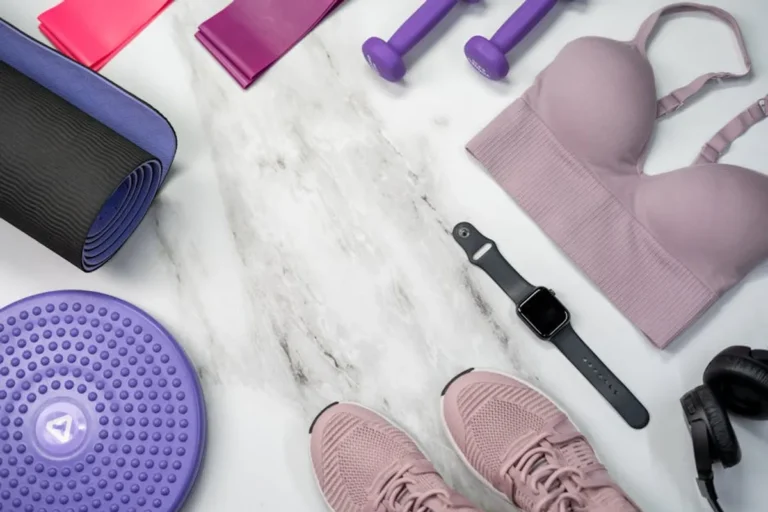
Resistance bands offer a versatile, portable solution for strength training, mobility work, and rehabilitation. Their utility stems from progressive resistance, where the tension increases as the band stretches.
- Material Composition: Latex and fabric are the primary materials. Latex bands provide a smooth, consistent stretch and are often color-coded by resistance level. Fabric bands, typically made from cotton-polyester blends with latex strands, offer a softer feel and are less prone to rolling or snapping, making them suitable for lower body work.
- Resistance Levels: Bands are graded from extra light to extra heavy. Assess your current strength and the specific exercises planned. For compound movements, a heavier band may be appropriate, while isolation exercises might require lighter resistance.
- Loop vs. Flat: Loop bands are continuous circles, ideal for glute activation, pull-up assistance, and lateral movements. Flat bands, often longer and open-ended, are versatile for stretching, upper body exercises, and physical therapy.
Dumbbells and Kettlebells
These free weights are foundational for compound and isolation exercises, fostering functional strength and stability.
- Material and Coating: Cast iron is standard for durability. Coatings like neoprene, rubber, or vinyl improve grip, reduce noise, and protect floors. Neoprene and vinyl are common for lighter weights, while rubberized hex dumbbells are prevalent for heavier options due to their stability and floor protection.
- Weight Adjustability: Adjustable dumbbells and kettlebells offer space-saving benefits by consolidating multiple weights into a single unit. Consider the adjustment mechanism's speed and security, as well as the incremental weight changes offered.
- Grip Diameter and Texture: A comfortable, secure grip is paramount. Knurling on metal handles provides traction, while smoother coatings on lighter weights reduce hand fatigue. Ensure the grip diameter fits your hand size to prevent slippage and promote proper form.
Support & Protection Gear
These items minimize injury risk, enhance stability, and improve comfort during demanding exercises.
Weightlifting Belts
A weightlifting belt provides abdominal compression and lower back support, particularly during heavy lifts like squats and deadlifts, by increasing intra-abdominal pressure.
- Material and Width: Leather belts offer superior rigidity and durability, often lasting for years. Nylon belts are more flexible and lighter, suitable for functional fitness or lighter lifts. Widths typically range from 2 to 4 inches; wider belts offer more support but can restrict movement for some.
- Closure Mechanism: Prong buckles (single or double) are highly secure. Lever buckles offer quick on/off and consistent tension but are less adjustable between sets. Velcro closures are convenient for rapid adjustments but may offer less rigid support for maximal lifts.
Training Gloves and Wrist Wraps
Gloves protect hands from calluses and improve grip, while wrist wraps offer support for the wrist joint during pushing and pressing movements.
Gloves: Look for durable materials like leather or synthetic blends, with adequate padding in high-friction areas. Breathability is key to prevent moisture buildup.
Wrist Wraps: Material (cotton, polyester, elastic blends) dictates flexibility and support. Lengths typically range from 12 to 24 inches; longer wraps provide more support. Thumb loops ensure secure positioning.
Pro Tip: When evaluating any training accessory, scrutinize the stitching and connection points. Reinforced seams, double-stitching, and robust hardware (e.g., metal buckles on belts, secure clasps on jump ropes) directly correlate with product longevity and safety during intense use. Weak points often fail first, compromising both performance and investment.
Cardio & Agility Enhancers
These accessories are designed to elevate cardiovascular fitness, improve coordination, and sharpen reaction times.
Jump Ropes
Jump ropes are efficient tools for cardiovascular conditioning, coordination, and footwork drills.
- Cable Material: PVC ropes are durable and offer good feedback, suitable for beginners. Steel cables, often coated, are faster and heavier, ideal for advanced users and speed work. Beaded ropes provide tactile and auditory feedback, aiding rhythm.
- Handle Design: Ergonomic handles with a comfortable grip are essential. Ball bearings in the handles facilitate smoother, faster rotations and prevent tangling.
- Adjustability: Ropes should be easily adjustable to your height. Standing on the rope's center, the handles should reach your armpits.
Agility Cones and Ladders
These tools are fundamental for developing quick changes in direction, acceleration, and deceleration skills.
Cones: Look for durable, flexible plastic that resists cracking when stepped on. Bright colors enhance visibility.
Ladders: Flat rungs are safer than round ones. Adjustable rungs allow for varied step patterns. Material quality affects how well it lies flat and resists tangling.
Recovery & Mobility Tools
These accessories aid in post-exercise recovery, alleviate muscle soreness, and improve range of motion.
Foam Rollers
Foam rollers are self-myofascial release tools that help break up muscle knots and improve flexibility.
- Density: Soft rollers are suitable for beginners or sensitive areas. Medium-density rollers offer a balance of comfort and effectiveness. High-density or firm rollers provide intense pressure for deeper tissue work.
- Texture: Smooth rollers provide even pressure. Textured rollers (with ridges or knobs) target specific trigger points more intensely.
- Size and Shape: Full-size (36-inch) rollers are versatile for large muscle groups. Shorter rollers (12-18 inches) are portable. Half-round rollers offer stability for balance work or gentler rolling.
Massage Balls
Massage balls offer targeted pressure to release tension in smaller, harder-to-reach muscle groups.
Material and Firmness: Rubber or silicone balls are common. Lacrosse balls offer high firmness for deep tissue work. Softer, textured balls provide a gentler massage.
Size: Smaller balls (e.g., golf ball size) are good for feet or hands. Larger balls (e.g., lacrosse ball size) are effective for glutes, shoulders, and back.
Optimizing Your Training Kit
The efficacy of your training accessories is directly tied to their suitability for your specific regimen and goals. Prioritize items that directly address your current fitness needs and consider their durability and ease of integration into your routine. A well-selected accessory can significantly enhance workout quality, improve recovery, and contribute to long-term progress.
Frequently Asked Questions
What are the most essential training accessories for beginners?
For beginners, resistance bands (a set with varying tensions), a jump rope, and a medium-density foam roller are highly recommended. These provide versatile options for strength, cardio, and recovery without significant initial investment.
How often should I replace my training accessories?
Replacement frequency depends on material, usage intensity, and maintenance. Resistance bands may need replacing every 6-12 months if used frequently due to material degradation. Jump ropes can last several years, while foam rollers, dumbbells, and kettlebells are typically durable for many years with proper care.
Can I use training accessories for different types of workouts?
Yes, many accessories are highly versatile. Resistance bands can be used for strength, flexibility, and rehabilitation. Jump ropes improve cardio and coordination. Foam rollers aid both pre-workout preparation and post-workout recovery. Look for accessories that offer multi-functional benefits to maximize your investment.
Are expensive training accessories always better?
Not necessarily. While higher prices can indicate superior materials or construction, many mid-range options offer excellent quality and performance. Focus on specific features, durability, and user reviews rather than price alone to determine value for your training needs.