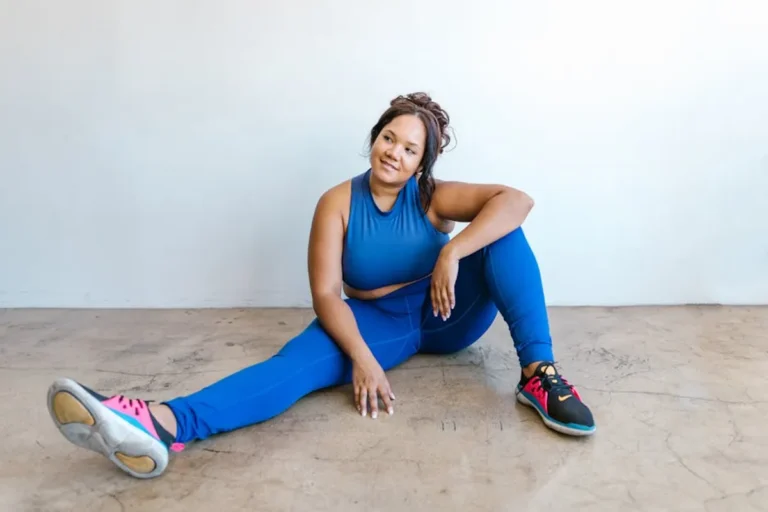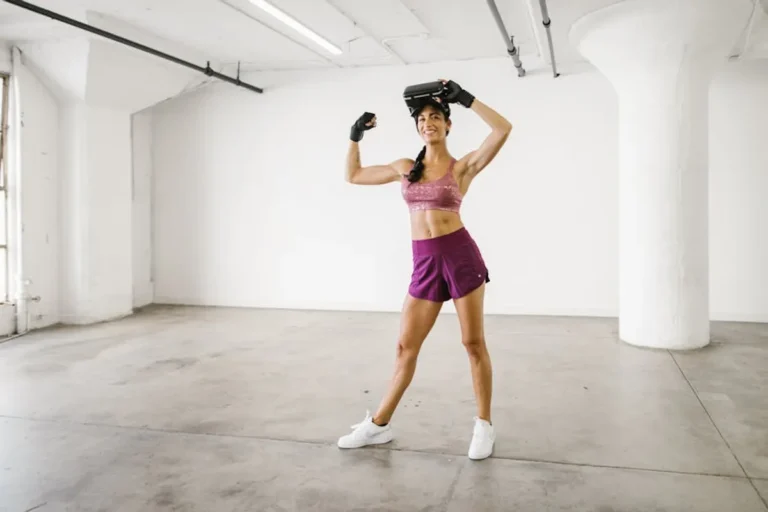
Navigating the market for workout clothes requires understanding how specific design and material choices directly impact performance, comfort, and longevity. This isn't merely about aesthetics; it's about making an informed investment in gear that supports your physical activity, prevents discomfort, and stands up to rigorous use. The right apparel can enhance range of motion, regulate body temperature, and even contribute to injury prevention, transforming a workout from a chore into a more effective and enjoyable experience. Conversely, poorly chosen garments can lead to chafing, overheating, restricted movement, and premature wear, undermining both your effort and your budget. Understanding common workout clothes mistakes before buying can save you money and frustration down the line.
Evaluating Core Fabric Technologies
The foundation of effective workout apparel lies in its material composition. Modern athletic fabrics are engineered for specific functions, moving beyond traditional cotton, which absorbs moisture and stays wet, leading to discomfort and potential chafing.
Moisture-Wicking and Quick-Drying
These properties are paramount for maintaining comfort during high-intensity activities. Fabrics like polyester, nylon, and blends with spandex are designed with capillary action, drawing sweat away from the skin's surface to the fabric's outer layer where it can evaporate rapidly. This process keeps the skin dry, helps regulate body temperature, and prevents the clammy sensation associated with saturated clothing. Look for garments explicitly labeled "moisture-wicking" or "dry-fit" to ensure this functionality. The weave structure also plays a role; tighter weaves can feel more supportive, while looser knits enhance airflow.
Compression and Support
Compression wear, typically made from high-spandex blends, applies a controlled pressure to muscles. This is not just for appearance; it helps reduce muscle vibration during activity, which can decrease fatigue and potentially aid in recovery by improving blood circulation. For activities involving repetitive movements or high impact, such as running or weightlifting, targeted compression in leggings, shorts, or tops can provide noticeable support. Ensure the fit is snug but not restrictive, allowing full range of motion without pinching or digging into the skin.
Breathability and Ventilation
Effective ventilation prevents overheating and promotes continuous airflow. This is often achieved through strategic placement of mesh panels in high-sweat areas like the back, underarms, or behind the knees. Perforated fabrics or specialized knit patterns also contribute to breathability, allowing heat to escape while maintaining the garment's structural integrity. For indoor workouts or hot climates, prioritizing maximum breathability reduces the risk of heat exhaustion and improves overall comfort.
Anti-Odor Properties
Some athletic fabrics are treated with antimicrobial agents or incorporate natural fibers like merino wool to inhibit the growth of odor-causing bacteria. While not essential for every piece, anti-odor technology extends the wear time between washes, which is particularly beneficial for multi-day trips or frequent, intense training sessions. Silver ions or zinc pyrithione are common treatments that break down bacterial cells on the fabric surface.
Fit, Construction, and Activity-Specific Design
Beyond fabrics, how a garment is constructed and designed for specific movements dictates its practical utility.
Understanding Fit Types
- Compression Fit: Second-skin feel, designed to hug the body tightly for muscle support and reduced friction. Ideal for high-performance activities.
- Athletic/Slim Fit: Follows the body's contours without being overly tight, offering a balance of movement and streamlined aesthetics. Suitable for most workout types.
- Relaxed Fit: Provides more room and airflow, prioritizing comfort and unrestricted movement. Often preferred for low-intensity activities or as outer layers.
The choice of fit should align with the activity. A yoga practitioner might prefer a relaxed fit for certain poses, while a runner benefits from the reduced drag and muscle support of a compression or athletic fit.
Pro Tip: Always assess seams and stitching. Flatlock seams, where the edges of the fabric are butted together and stitched flat, prevent chafing and irritation, especially under repetitive movement or when layering. Reinforced stitching in high-stress areas like crotches and armpits indicates greater durability and reduces the likelihood of tears.
Activity-Specific Features
Different workouts demand distinct garment characteristics:
- Running: Look for reflective elements for low-light visibility, small pockets for keys or gels, and lightweight, highly breathable fabrics.
- Yoga/Pilates: Prioritize four-way stretch fabrics for unrestricted movement, a comfortable waistband that doesn't dig in, and opaque materials to ensure coverage during deep stretches.
- Weightlifting: Durability is key. Choose robust fabrics that can withstand friction from barbells and benches. Compression tops can offer support for upper body lifts, while flexible shorts allow for squats and lunges.
- Outdoor Training: Consider layering options. Base layers with moisture-wicking properties, insulating mid-layers for warmth, and water/wind-resistant outer layers provide adaptability to changing weather conditions. UV protection is also critical for prolonged sun exposure.
Making an Informed Purchase
Investing in workout clothes means prioritizing function over fleeting trends. Consider the frequency and intensity of your workouts, the specific demands of your chosen activities, and your personal comfort preferences. While higher price points often correlate with advanced fabric technologies and superior construction, value is determined by how well the garment meets your specific needs and its expected lifespan. Always check care instructions; proper washing and drying extend the life of technical fabrics and preserve their performance properties.
Frequently Asked Questions
What is the primary benefit of moisture-wicking fabric over cotton?
Moisture-wicking fabrics draw sweat away from the skin to the fabric's surface for rapid evaporation, keeping you dry and comfortable. Cotton, conversely, absorbs and holds moisture, leading to a heavy, damp feeling that can cause chafing and affect body temperature regulation.
How often should workout clothes be replaced?
The lifespan of workout clothes varies significantly based on material quality, frequency of use, and care. Generally, performance garments may show signs of wear, such as stretched-out elastic, thinning fabric, or loss of compression, after 1-2 years of regular, intense use. Replace items when they no longer provide their intended support, comfort, or functionality.
Are there any eco-friendly options for workout clothes?
Yes, the market increasingly offers sustainable options. Look for garments made from recycled polyester, organic cotton (though less ideal for high-intensity sweat), Tencel (lyocell), or bamboo. Some brands also focus on ethical manufacturing processes and reduced water usage in production. Always verify specific certifications or brand claims.
Can I use fabric softener on my workout clothes?
It is generally recommended to avoid fabric softener on performance workout clothes. Fabric softeners can clog the pores of moisture-wicking fabrics, reducing their ability to pull sweat away from the body and diminishing their quick-drying properties over time. Always check the garment's care label for specific instructions.