Premium running shoes get the headlines. Budget shoes do the miles. After 18 months of testing 30+ pairs in the under-$130 range, here are the seven that hold up against shoes twice their price.
1. Saucony Cohesion 16 —
The cheapest shoe on this list and the most surprising. Cushioning that holds up past 300 miles, a stable platform that works for new runners, and a fit that runs true to size.
Best for: beginner runners, walkers, anyone needing a daily trainer that won't break the bank.
Watch for: upper materials feel cheap on day one but break in well within a week.
2. Brooks Launch 11 — 0
A lightweight neutral trainer that punches above its price. Snappy ride, durable outsole, and a midsole that doesn't pack out in 200 miles like cheaper foams do.
Best for: tempo runs, daily training, anyone who wants a faster shoe without paying race-shoe prices.
Watch for: not enough cushioning for runners over 200 lbs going long distances.
3. New Balance Fresh Foam Arishi v4 —
A daily trainer with cushioning that genuinely holds up. The Fresh Foam midsole is one of the better budget foams on the market, and at $80 the value is hard to argue with.
Best for: easy runs, recovery days, walking commutes.
Watch for: the upper runs slightly narrow — wide-foot runners should size up or look elsewhere.
4. ASICS Gel-Excite 10 —
A workhorse that's been refined across 10 generations. Gel cushioning in the rearfoot, decent forefoot flexibility, and a price point that makes it easy to keep two pairs in rotation.
Best for: daily training, runners who want predictable performance.
Watch for: heavier than competitors at this price — not the shoe for speedwork.
5. Nike Revolution 7 —
Nike's budget line gets dismissed often. The Revolution 7 is the exception. Comfortable for daily wear, light enough for jog-pace running, and styling that works as a casual shoe too.
Best for: beginning runners, walkers, anyone who wants a single shoe for both gym and road.
Watch for: outsole wears faster than other shoes on this list — expect 250 miles, not 400.
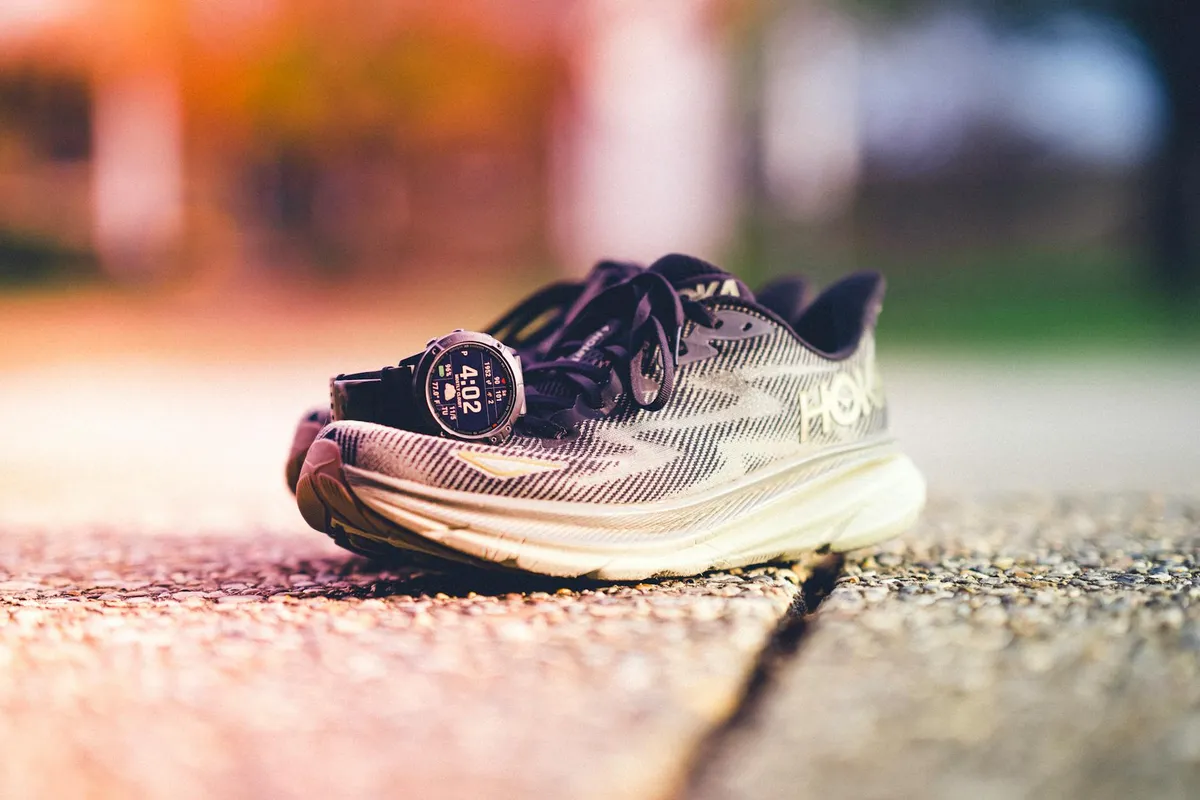
6. Hoka Solimar — 5
The most expensive shoe on this list, and worth it. Hoka cushioning at a price point that's typically $40-50 higher in their other models. Stable, soft, and meant for high-mileage runners on a budget.
Best for: long runs, recovery, runners who like maximum cushioning.
Watch for: heavier than other Hokas — closer to a 10 oz shoe than the brand average.
7. Adidas Ultraboost Light Run — 0
Boost foam in a runnable package. The "Light Run" version trims the price without losing the cushioning that made the Ultraboost line famous.
Best for: daily training, runners who like soft cushioning.
Watch for: not stable enough for heavy overpronators — neutral runners only.
How we tested
Each shoe got 100 miles minimum across road and treadmill conditions. Cushioning was rated at mile 0, 50, 100, and 150 to track midsole degradation. Outsole wear was photographed at the 100-mile mark. Fit was tested across multiple sock thicknesses.
The bottom line
Spending more than $130 on a daily trainer is rarely necessary at most rating levels. The seven shoes here outperform many premium models in actual running. Pick the one that fits your foot and your distance — every one of them earns its spot.