Training shoes are the most under-thought-about piece of gym equipment. Most lifters wear running shoes to lift in, then wonder why their squat feels unstable. Here are eight specific mistakes — and the fix for each.
1. Wearing running shoes for heavy lifting
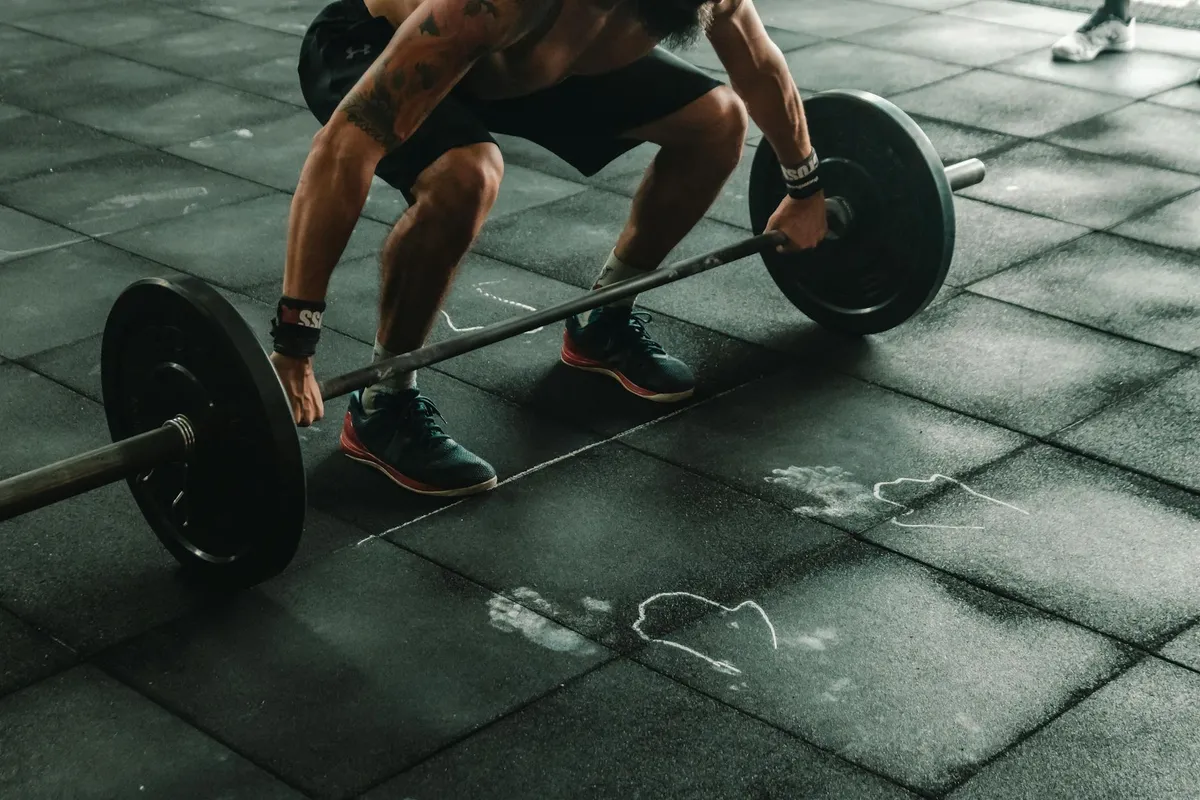
The mistake: running shoes have soft, springy midsoles designed to absorb impact during running. Under a heavy squat, that softness compresses unevenly, costing you stability and force transfer.
The fix: for any squat over 60% of 1RM, switch to flat-soled shoes (Converse Chuck Taylor, Reebok Nano, NoBull Trainer) or proper weightlifting shoes with elevated heels.
2. Buying weightlifting shoes too early
The mistake: raised-heel weightlifting shoes solve a specific problem — limited ankle mobility blocking deep squat depth. Lifters who don't have that problem buy these shoes and gain nothing while losing the ability to feel ground contact.
The fix: test ankle mobility first. If you can comfortably squat to depth in flat shoes with feet at standard width, weightlifting shoes are an unnecessary purchase.
3. Picking width based on running shoe size
The mistake: training shoes need a wider toe box than running shoes because your feet spread under load. Lifters buy training shoes in their running shoe size and wonder why heavy squats feel cramped.
The fix: size up half a size, or pick a brand known for wider lasts (Altra, NoBull, Vivobarefoot).
4. Over-prioritizing aesthetics
The mistake: picking training shoes because they look good in the gym mirror. The flashy ones often have construction features that compromise performance.
The fix: pick performance first, aesthetics second. The black/white versions of most premium training shoes look fine and cost less.
5. Using one shoe for everything
The mistake: a CrossFit-style shoe handles lifting, running, and rope climbs adequately but excels at none. Lifters who do mixed-modality work need a CrossFit shoe; lifters who mostly lift heavy don't.
The fix: match the shoe to what you actually do. Pure lifters: flat-sole or weightlifting shoes. Mixed-modality: CrossFit shoes. Don't overpay for features you don't use.
6. Ignoring heel-to-toe drop
The mistake: heel-to-toe drop changes how force transfers through your foot. Most running shoes have 8-12mm drop; most lifting shoes have 0-4mm. Switching shoes mid-session shifts your mechanics.
The fix: if you wear different shoes for warmup and lifting, switch shoes at the start of the actual work, not mid-session. Better: warm up in your lifting shoes.
7. Buying based on what your favorite athlete wears
The mistake: elite athletes have specific biomechanics, training loads, and sponsorship deals. The shoe that suits a 245-lb powerlifter doesn't suit a 165-lb general lifter.
The fix: ignore athlete endorsements. Match the shoe to your body weight, training intensity, and squat style. Pro recommendations are starting points, not prescriptions.
8. Replacing shoes too early or too late
The mistake: training shoes don't show mileage like running shoes do. Lifters either replace them every six months out of habit or wear them for years until the soles split.
The fix: replace training shoes when stability noticeably decreases — usually 12-18 months for serious lifters. Inspect midsole compression and outsole wear; both should still be relatively crisp.
The bottom line
The right training shoe is invisible during your set. You don't think about it because nothing about it interferes with the lift. Most lifters can fix one or two of the mistakes above and immediately feel more stable under heavy weight. Start with the running-shoes-for-lifting fix; it produces the biggest immediate change.