
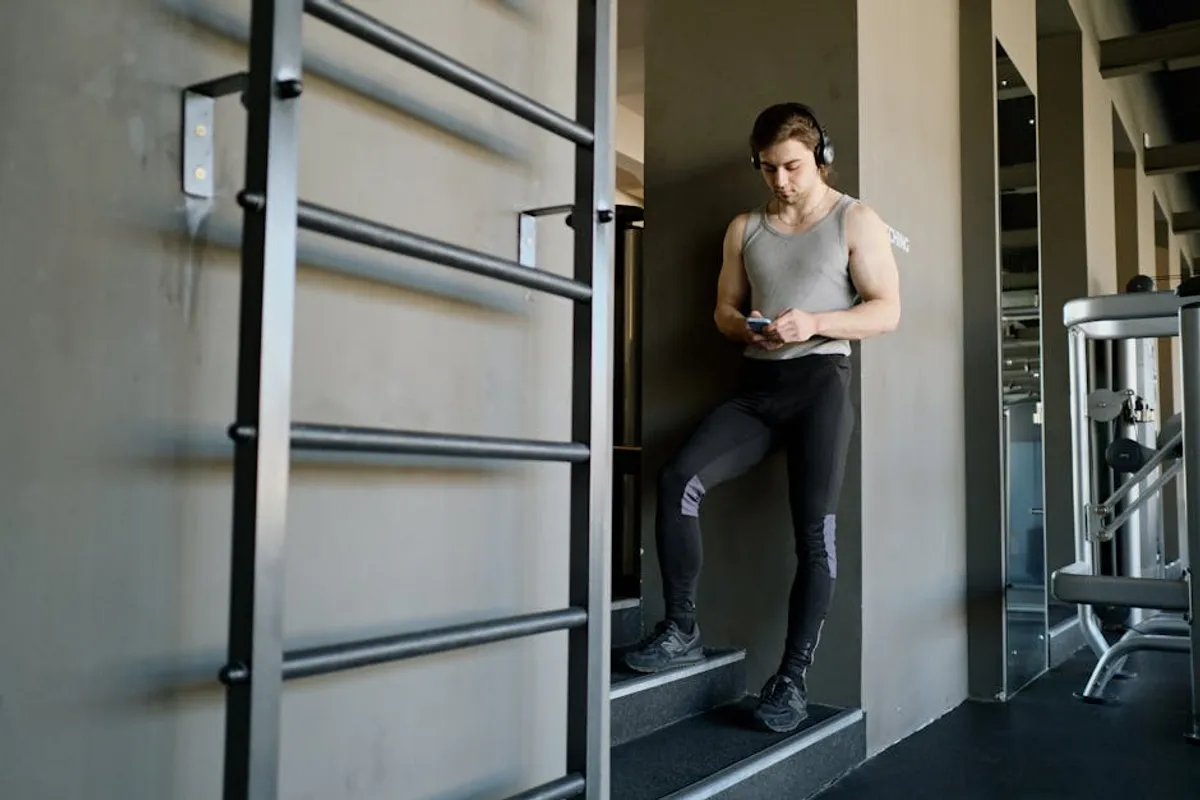
Selecting the right gym clothes involves a careful balance between ensuring comfort during activity and optimizing performance through functional design. The apparel chosen directly impacts mobility, temperature regulation, and overall workout effectiveness. Generic activewear often falls short, leading to chafing, overheating, or restricted movement, which can detract from focus and hinder progress. This guide evaluates leading brands and specific garment features, focusing on how different approaches to fabric technology, fit, and construction contribute to a superior experience, whether for high-intensity training, flexible studio work, or endurance sports. Understanding these distinctions is crucial for making informed purchasing decisions that genuinely support fitness goals.
What to Look For in Performance Gym Clothes
Effective gym clothes are more than just aesthetically pleasing; they integrate specific features designed to enhance the wearer's experience and performance. Prioritizing these elements ensures that apparel actively supports, rather than impedes, your fitness regimen.
Fabric Technology and Composition
The foundation of high-performance gym wear lies in its material science. Look for synthetic blends like polyester, nylon, and spandex. Polyester offers durability and moisture-wicking properties, drawing sweat away from the skin to the fabric's surface for quick evaporation. Nylon contributes to strength, elasticity, and a smooth feel. Spandex (or Lycra) provides crucial stretch and shape retention, allowing for unrestricted movement. Mesh panels are often strategically placed for enhanced breathability in high-sweat areas. Avoid cotton for intense workouts, as it absorbs and retains moisture, leading to a heavy, damp feel and potential chafing.
Fit, Mobility, and Support
The garment's fit directly impacts comfort and performance. Compression fits offer muscle support, which can reduce vibration and potentially aid circulation, beneficial for high-impact activities or recovery. An athletic or regular fit provides room for movement without being baggy, suitable for most training types. Consider ergonomic design, where seams are placed to prevent chafing and align with natural body contours. Four-way stretch fabrics are essential for activities requiring a wide range of motion, such as yoga or weightlifting. Items like sports bras and supportive shorts are critical for providing necessary stability during dynamic movements.
Durability and Construction Quality
Gym clothes endure frequent washing and strenuous activity, making durability a key factor. Examine stitching for reinforcement, especially in high-stress areas. Flatlock seams reduce chafing and increase garment longevity. High-quality fabrics resist pilling, fading, and stretching out over time, maintaining their performance characteristics and aesthetic appeal through repeated use. Investing in well-constructed items reduces the need for frequent replacements.
Specific Activity Requirements
Different workouts demand specialized features. Runners benefit from lightweight, highly breathable fabrics, often with reflective elements for visibility and secure pockets for essentials. Weightlifters may prefer durable, squat-proof fabrics and compression for muscle support. Yoga and Pilates practitioners require ultra-stretchy, soft materials that allow full flexibility without restriction or transparency. Consider the specific demands of your primary activities when evaluating apparel choices.
1. Lululemon
Lululemon has established itself as a premium brand, primarily known for its luxurious fabrics and athleisure aesthetic. Their apparel often blurs the line between high-performance athletic wear and comfortable everyday clothing. Key to their offering are proprietary fabrics like Luon (a soft, stretchy nylon-Lycra blend) and Nulu (buttery-soft, lightweight, and highly flexible), which deliver exceptional hand-feel and comfortable stretch. While often associated with yoga and studio workouts, many of their pieces are engineered for broader low-to-medium impact activities, prioritizing comfort and flattering fits.
Best for: Yoga, Pilates, studio workouts, athleisure wear, individuals prioritizing luxurious feel and versatile style.
Pros: Exceptional fabric hand-feel; flattering, body-contouring fits; durable construction; strong brand community and aesthetic appeal.
Cons: Premium pricing; some pieces are less suited for high-intensity, high-friction activities due to delicate fabric properties.
Verdict: An investment for unparalleled comfort and versatile style in moderate intensity settings, where the higher cost aligns with a desire for premium materials and design.
2. Nike
As a global leader in sportswear, Nike offers an extensive range of gym clothes backed by significant research and development in fabric technology. Their Dri-FIT technology, a high-performance microfiber polyester fabric, efficiently moves sweat away from the body to the fabric surface for rapid evaporation, keeping athletes dry and comfortable. Nike's product lines cater to nearly every sport, from running and basketball to general training, emphasizing dynamic movement, sweat management, and innovative designs like AeroSwift for lightweight speed and Flex for enhanced mobility.
Best for: Running, basketball, general training, high-intensity workouts, competitive sports across various disciplines.
Pros: Broad product range and specialized lines; reliable moisture-wicking and breathability; innovative designs and constant technological updates; widespread availability.
Cons: Some entry-level items can feel less premium; sizing can be inconsistent across diverse product lines and regions.
Verdict: A dependable choice for serious athletes and general fitness enthusiasts seeking proven performance across diverse activities, with a vast selection to meet specific needs.
3. Under Armour
Under Armour built its brand on the foundation of moisture-wicking compression wear, revolutionizing athletic base layers. Their core technologies, HeatGear (for warm weather) and ColdGear (for cold weather), focus on regulating body temperature, while their Rush fabric aims to enhance performance by reflecting body energy. The brand emphasizes muscle support through compression, reducing muscle oscillation and potentially aiding recovery. Their apparel is often characterized by a robust, performance-first aesthetic, designed for demanding physical activity.
Best for: Strength training, cold-weather training, high-impact sports requiring significant muscle support and temperature regulation.
Pros: Excellent compression benefits for muscle support and reduced fatigue; effective temperature regulation across various climates; durable construction for intense, repetitive workouts.
Cons: Compression fit is not preferred by all users; aesthetic can be more utilitarian and less fashion-forward compared to athleisure brands.
Verdict: Ideal for athletes prioritizing muscle support and thermal regulation in demanding training environments, where functional benefits outweigh purely stylistic considerations.
4. Adidas
Adidas, another sportswear giant, consistently blends performance innovation with distinct style. Their AEROREADY technology focuses on moisture management, keeping athletes dry and comfortable, while PRIMEKNIT offers seamless construction for reduced chafing and enhanced comfort. Adidas has also made significant strides in sustainability, incorporating recycled materials like Primegreen and Primeblue into many of its activewear lines. The brand's collaborations with designers often bring a fashion-forward edge to its performance gear, catering to a wide audience from professional athletes to lifestyle fitness enthusiasts.
Best for: Running, soccer, lifestyle fitness, individuals seeking sustainable options and a blend of classic sportswear aesthetics with modern performance.
Pros: Strong commitment to sustainability and recycled materials; comfortable and breathable fabrics; wide range of styles from pure performance to lifestyle-integrated designs.
Cons: Some fashion-focused lines may prioritize aesthetics over pure performance utility for certain highly specialized activities; fit can vary across different collections.
Verdict: A versatile option for those valuing a balance of performance, style, and environmental consciousness in their activewear, suitable for a broad spectrum of activities.
5. Gymshark
Gymshark emerged as a prominent brand through social media marketing, specifically targeting the weightlifting and gym-based training community. Their apparel is known for body-contouring fits, seamless technology, and modern aesthetics that appeal to individuals who value both performance and appearance in the gym. Gymshark emphasizes designs that highlight physique while providing necessary flexibility and support for strength training movements. Their offerings often present a more accessible price point compared to some premium competitors, without significantly compromising on style or core functionality.
Best for: Weightlifting, gym-based training, individuals preferring form-fitting and stylish activewear that enhances physique.
Pros: Flattering and body-contouring designs; comfortable seamless technology; often a more accessible price point than luxury activewear brands; consistent release of new collections.
Cons: Durability can vary across specific product lines; some fabrics may experience pilling with heavy use or frequent washing.
Verdict: A strong contender for gym-goers who want performance wear that looks good and supports lifting, provided expectations for longevity are managed against the price point.
6. Athleta
Athleta specializes exclusively in women's activewear, distinguishing itself with a focus on comfort, versatility, and inclusive sizing. As a certified B Corp, the brand integrates ethical production and sustainability into its business model, utilizing materials like recycled nylon and Tencel. Athleta's designs often bridge the gap between performance apparel and everyday wear, offering pieces suitable for yoga, running, hiking, and casual outings. Their commitment to fit is evident in their extensive sizing options and designs tailored for diverse body types, ensuring both comfort and confidence.
Best for: Women seeking versatile activewear for yoga, running, hiking, and daily wear, prioritizing comfort, inclusive fit, and ethical sourcing.
Pros: Excellent fit for diverse body types; soft, supportive, and durable fabrics; strong sustainability and ethical credentials; versatile designs for multi-activity use.
Cons: Pricing is at the higher end of the market; design aesthetic is primarily athleisure-focused, with less emphasis on extreme performance sports.
Verdict: A top choice for women valuing comfort, ethical production, and a versatile wardrobe that transitions seamlessly from workout to daily life, justifying the premium cost.
7. Reebok
Reebok boasts a strong heritage in fitness, particularly recognized for its contributions to cross-training and functional fitness. The brand's apparel emphasizes durability and robust support for dynamic, varied movements, often with a more rugged and functional aesthetic. Reebok's gear is designed to withstand the rigors of intense workouts like CrossFit and HIIT, focusing on materials that offer resilience, flexibility, and effective moisture management. Their approach prioritizes core performance and longevity over purely trend-driven designs, offering reliable gear for demanding training regimens.
Best for: CrossFit, HIIT, strength training, general gym workouts, individuals seeking durable and functional gear built for intense, varied movements.
Pros: Highly durable materials and construction; designs specifically engineered for demanding and dynamic workouts; good value for the level of performance offered.
Cons: Style can be less fashion-forward compared to athleisure brands; fabric hand-feel might be less soft or luxurious than premium alternatives.
Verdict: Reliable and rugged for intense, varied workouts, offering solid performance without excessive frills, making it a practical choice for functional fitness enthusiasts.
8. Vuori
Vuori embodies the active California lifestyle, blending performance apparel with an emphasis on comfort and versatility. The brand is distinguished by its exceptionally soft, quick-drying fabrics, such as their signature DreamKnit, which provides a luxurious hand-feel while maintaining technical performance. Vuori's aesthetic leans towards a relaxed, casual look that performs effectively in the gym and transitions effortlessly to everyday wear. Their commitment extends to sustainability, utilizing recycled materials and ethical manufacturing practices, appealing to those who value both comfort and conscious consumption.
Best for: Yoga, training, outdoor activities, athleisure, individuals who prioritize ultimate comfort, a relaxed fit, and versatile wear.
Pros: Exceptionally soft and comfortable fabrics; highly versatile for both gym and everyday wear; effective moisture management and quick-drying properties; strong sustainability focus.
Cons: Premium pricing; some pieces are more geared towards comfort and versatility than extreme performance in highly specialized sports; relatively limited availability compared to global brands.
Verdict: An excellent