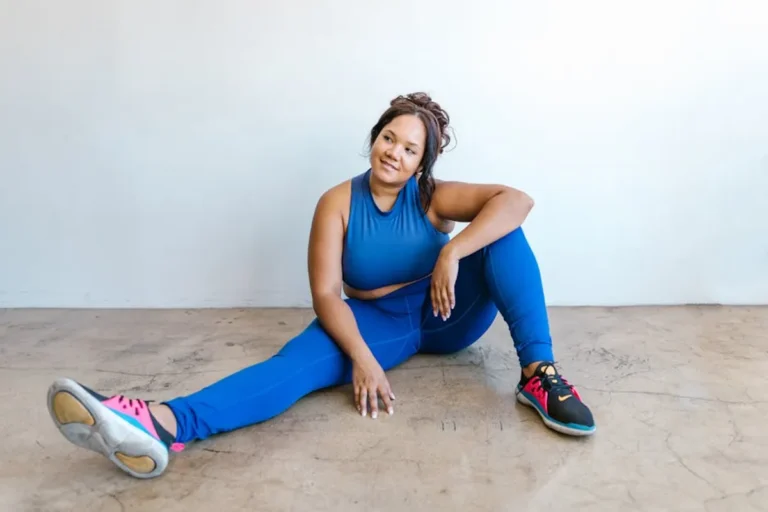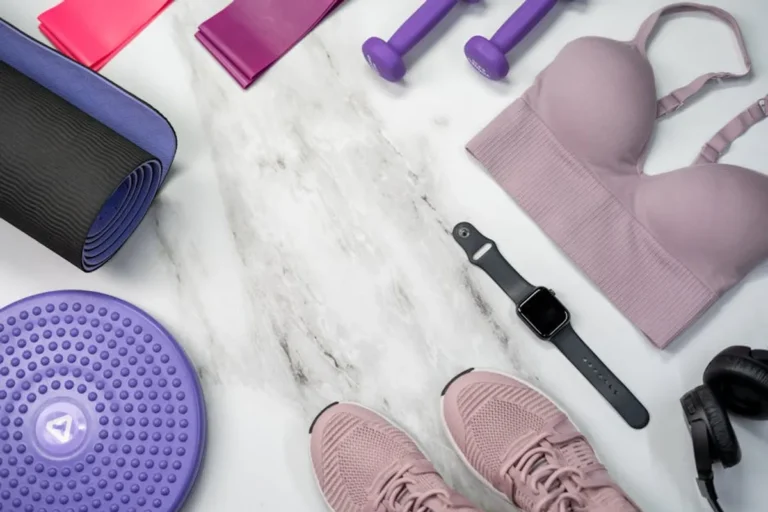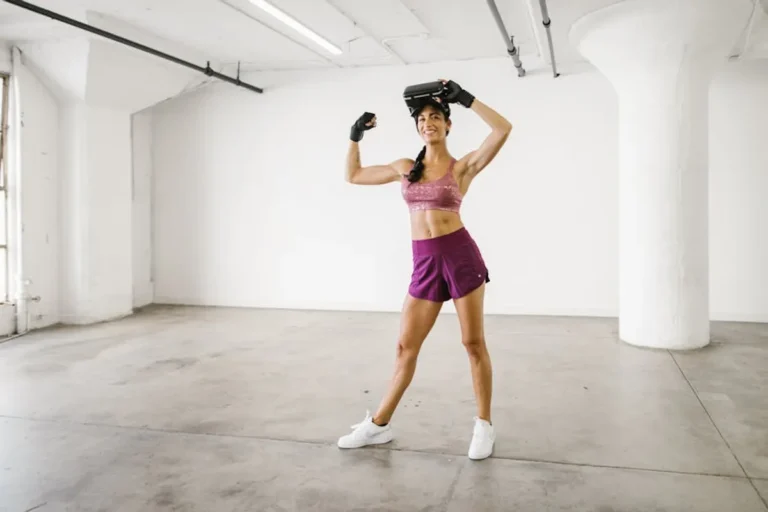
Selecting athletic apparel extends beyond personal style; it directly impacts performance, comfort, and even injury prevention during physical activity. Many consumers approach these purchases with a focus on immediate aesthetics or price, often overlooking critical factors that differentiate effective gear from mere clothing. Understanding common pre-purchase missteps helps ensure that investments in athletic wear translate into tangible benefits, supporting workouts rather than hindering them.
Ignoring Activity-Specific Requirements
A frequent error involves purchasing general athletic wear without considering the specific demands of a chosen activity. Different sports and exercises place unique stresses on the body and require distinct apparel characteristics for optimal support and mobility.
Running vs. Yoga vs. Weightlifting
For instance, running apparel prioritizes moisture-wicking capabilities, lightweight construction, and reflective elements for visibility, often featuring minimal seams to prevent chafing during repetitive motion. Compression garments can also aid blood flow and muscle support over long distances. In contrast, yoga wear emphasizes flexibility, stretch, and a full range of motion, typically using soft, breathable fabrics that move with the body without restriction. Support for dynamic poses is crucial, often manifesting in high-waisted leggings and supportive sports bras. Weightlifting, on the other hand, benefits from durable fabrics that can withstand friction from equipment, offer stability through compression, and maintain shape under tension. Loose-fitting cotton, while comfortable for casual wear, can absorb sweat and become heavy, hindering performance and increasing the risk of chafing in activities like running or high-intensity interval training (HIIT).
Prioritizing Aesthetics Over Function
The visual appeal of athletic apparel often overshadows its functional attributes during the buying process. While looking good can provide a motivational boost, the material composition and construction dictate how the garment performs under stress.
The Material Matters Most
Many consumers select items based solely on color or brand without examining the fabric blend. Cotton, for example, is highly absorbent and slow to dry, making it unsuitable for most intense workouts where moisture management is critical. It retains sweat against the skin, leading to discomfort, chafing, and a rapid drop in body temperature post-workout. Synthetic fabrics like polyester, nylon, and spandex (elastane) are engineered for athletic performance. Polyester offers excellent moisture-wicking and durability; nylon provides strength, elasticity, and a smooth feel; and spandex contributes stretch and shape retention. Blends often combine these properties to achieve a balance of comfort, flexibility, and moisture management. Neglecting to read fabric labels before purchase can lead to gear that feels heavy, restricts movement, or fails to regulate body temperature effectively.
Neglecting Proper Sizing and Fit
Ill-fitting athletic apparel is a significant deterrent to effective workouts and can even contribute to injury or discomfort. Many buyers either guess their size or assume their regular clothing size translates directly to athletic wear, which is often not the case due to specialized cuts and compression levels.
Impact on Performance and Comfort
Apparel that is too tight can restrict blood flow, limit range of motion, and cause uncomfortable chafing, particularly in high-friction areas. Conversely, overly loose clothing can snag on equipment, create distractions, and fail to provide necessary support, such as a sports bra that doesn't adequately contain breast movement during high-impact activities. For items like compression tights, the fit is critical for the intended benefits of muscle support and recovery. Before buying, consult specific brand size charts, which often differ from general clothing sizes. Consider the garment's intended stretch and how it should feel during actual movement. Trying on apparel and performing a few activity-specific motions (e.g., squats, arm raises) can reveal fit issues that are not apparent when standing still.
Overlooking Fabric Technology and Care Instructions
Modern athletic apparel frequently incorporates advanced fabric technologies designed to enhance performance and comfort. Overlooking these features, or failing to adhere to specific care instructions, diminishes the apparel's effectiveness and lifespan.
Extending Apparel Lifespan
Features like moisture-wicking, anti-odor treatments, UV protection, and targeted compression zones are not merely marketing terms; they represent functional benefits. For example, a garment with an anti-odor finish uses silver ions or other treatments to inhibit bacterial growth, keeping the apparel fresher for longer. Ignoring these technologies means missing out on potential performance advantages. Furthermore, the specialized nature of these fabrics often requires specific care. Washing athletic wear with fabric softener, for instance, can clog the pores of moisture-wicking fabrics, reducing their ability to pull sweat away from the body. High heat drying can degrade elastic fibers like spandex, leading to loss of shape and compression. Reading and following the care label ensures the apparel maintains its functional properties and extends its useful life.
Pro Tip: Never compromise on fit for the sake of a trend or a lower price point. An ill-fitting garment, regardless of its aesthetic appeal or brand, will detract from your workout experience and may lead to discomfort or reduced performance over time. Prioritize functional fit that supports your movement and activity.
Impulse Buying Without Research
The allure of sales, new collections, or popular trends often leads to impulse purchases without adequate research into the product's suitability, durability, or value proposition. This can result in buying apparel that doesn't meet needs or fails prematurely.
The Value of Reviews and Brand Reputation
Before committing to a purchase, especially for higher-priced items, it is prudent to consult product reviews from other users. These reviews often highlight practical aspects like true-to-size fit, durability after multiple washes, specific performance in various conditions, and common issues such as pilling or seam failure. Researching the brand's reputation for quality, ethical manufacturing practices, and customer service can also provide valuable insights. Some brands specialize in certain sports or offer specific technologies that align better with individual needs. A quick online search can reveal consistent feedback on a product's longevity, comfort, and overall value, helping to avoid buyers' remorse.
- Pre-Purchase Apparel Checklist:
- Identify the specific activity and its demands (e.g., high-impact, flexibility, warmth).
- Review fabric composition for moisture-wicking, breathability, and stretch.
- Consult the brand's size chart and consider trying on for optimal fit.
- Read customer reviews for insights on durability and real-world performance.
- Check care instructions to ensure longevity and maintain fabric integrity.
- Consider the garment's construction: flat seams for comfort, reinforced stitching for durability.
- Evaluate the overall value, balancing initial cost with expected lifespan and performance.
Making Informed Apparel Choices
Avoiding common athletic apparel mistakes before buying boils down to a methodical approach that prioritizes function, fit, and material science over superficial considerations. By understanding the specific requirements of your activity, scrutinizing fabric composition, ensuring proper sizing, and conducting basic research, consumers can make informed choices. This leads to apparel that not only performs as expected but also enhances the overall workout experience, contributing to comfort, confidence, and sustained performance. By understanding these common athletic apparel mistakes, consumers can make more confident and effective purchasing choices.
Frequently Asked Questions About Athletic Apparel
Is cotton always bad for workouts?
While comfortable for casual wear, cotton is generally not recommended for moderate to intense workouts. It absorbs sweat readily, becomes heavy and wet, and dries slowly, which can lead to chafing, discomfort, and a rapid decrease in body temperature after exercise. For most athletic activities, synthetic fabrics or wool blends are superior.
How do I find the right size for athletic apparel when buying online?
Always refer to the specific brand's size chart, as sizing can vary significantly between manufacturers. Measure yourself accurately (chest, waist, hips, inseam) and compare these measurements to the chart. Read customer reviews for feedback on whether the item runs true to size, large, or small. If possible, try on similar styles from the same brand in a physical store to gauge fit.
Does more expensive athletic wear always mean better quality?
Not necessarily. While higher prices often correlate with advanced fabric technologies, superior construction, and ethical manufacturing, a high price tag alone does not guarantee quality or suitability for your specific needs. Focus on the garment's features, material composition, brand reputation, and user reviews rather than just the cost. Value is derived from performance and durability relative to price.
How important is moisture-wicking fabric?
Moisture-wicking fabric is crucial for comfort and performance during physical activity. It draws sweat away from your skin to the fabric's outer surface, where it can evaporate quickly. This process helps regulate body temperature, keeps you dry, and prevents chafing, making your workout more comfortable and effective, especially in warm conditions or during high-intensity exercise.