Selecting the right gym bag involves more than just picking a color or brand. It requires a practical assessment of your fitness routine, the gear you carry, and how you travel to and from your workouts. A well-chosen bag protects your equipment, organizes essentials, and streamlines your gym experience, preventing frustration from forgotten items or awkward commutes. This guide outlines the critical factors to consider, ensuring your next gym bag is a functional asset, not just another piece of luggage. This guide outlines the critical factors to consider, ensuring your next gym bag is a functional asset, not just another piece of luggage, and serves as a comprehensive buyer guide.
Assessing Your Gym Bag Needs
Activity Type and Gear Volume
The first step in choosing a gym bag is to itemize what you consistently carry. Different activities demand different capacities and organizational features. A powerlifter might need space for heavy lifting shoes, a belt, and knee sleeves, while a swimmer requires separate compartments for wet gear and goggles. Consider the specific items you transport:
- Footwear: Dedicated shoe compartments prevent dirt and odor transfer to clothes.
- Apparel: Main compartment size for workout clothes, change of clothes, and towels.
- Hydration: External or internal pockets for water bottles or shakers.
- Tech: Padded sleeves for laptops or tablets if you work out before or after work.
- Small Essentials: Pockets for keys, phone, wallet, headphones, and toiletries.
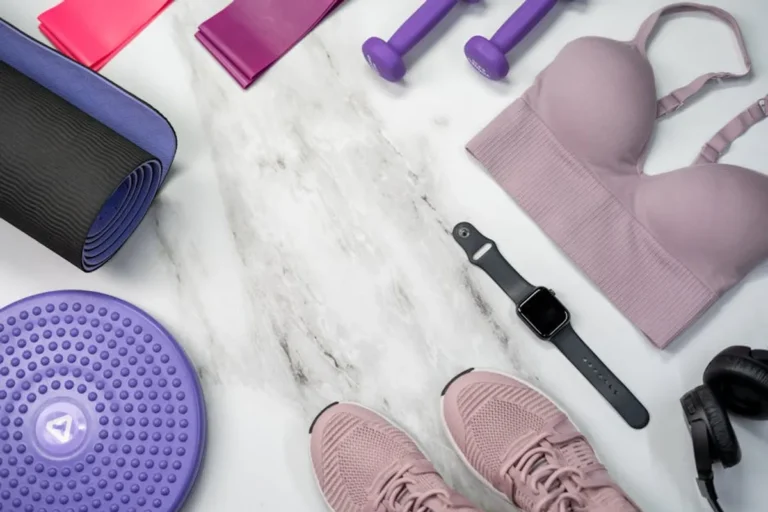
- Specialized Gear: Yoga mats, boxing gloves, resistance bands, jump ropes, or martial arts gis often require external straps or larger main compartments.
A bag that is too small forces you to cram items, risking damage or poor ventilation. A bag that is too large becomes cumbersome and can make finding small items difficult.
Commute and Storage
Your method of travel to the gym significantly influences the ideal bag type. If you drive, a larger duffel might be convenient. Public transit users or cyclists benefit from a backpack style that keeps hands free and distributes weight evenly. Consider the following:
- Walking/Cycling: Backpacks or smaller, streamlined duffels with comfortable shoulder straps are preferable.
- Public Transport: Compact bags that fit under seats or in overhead racks without inconveniencing others.
- Car: More flexibility in size, but consider how easily it fits in your trunk or passenger seat.
Storage at the gym also matters. Most gym lockers accommodate standard duffel bags or backpacks. If your bag is oversized, you may need to rely on open shelving or bring a smaller, more compact option.
Material and Durability Preferences
The material impacts a bag's longevity, weight, and water resistance. Common options include:
- Nylon: Lightweight, durable, and often water-resistant. Ballistic nylon offers extreme abrasion resistance. Ripstop nylon prevents small tears from expanding.
- Polyester: Similar to nylon but often more affordable. Can be treated for water resistance.
- Canvas: Heavy-duty, natural fiber, offering a classic look. Less water-resistant unless treated.
- Tarpaulin: Highly water-resistant and easy to clean, often used for wet/dry compartments or the base of bags.
Examine the stitching—double-stitched seams and reinforced stress points (like where straps attach) indicate better durability. Look for high-quality zippers (e.g., YKK) that operate smoothly and have robust pull tabs. Metal hardware for strap adjustments generally outlasts plastic.
Key Features to Evaluate
Capacity and Compartmentalization
Effective organization is crucial for a gym bag. Look for bags that offer a thoughtful balance of main storage and specialized pockets:
- Main Compartment: Sufficient volume for your core items.
- Dedicated Shoe Pocket: A separate, often vented, compartment keeps dirty shoes away from clean clothes.
- Wet/Dry Pocket: Lined with water-resistant material, ideal for damp towels or swimsuits.
- Small Item Pockets: Zippered pockets for valuables like keys, phone, and wallet. Mesh pockets for quick access to snacks or small toiletries.
- External Water Bottle Pockets: Keeps hydration accessible and prevents leaks inside the bag.
Carry Options and Ergonomics
How you carry your bag affects comfort and convenience. Consider these features:
- Shoulder Strap: Padded and adjustable for comfort, especially if carrying heavier loads. Detachable straps offer versatility.
- Handles: Reinforced, padded handles for hand carrying. Look for handles that can be joined with a velcro or snap closure for easier grip.
- Backpack Straps: Padded and adjustable, ideal for hands-free transport. Some duffels convert into backpacks.
- Wheels: For very large bags or those carrying exceptionally heavy equipment, wheels can reduce strain.
Ventilation and Odor Control
Gym bags often house sweaty clothes and shoes, making ventilation important. Mesh panels, laser-cut perforations, or dedicated vented compartments promote airflow, reducing moisture buildup and preventing odors. Some bags incorporate antimicrobial linings in specific pockets to inhibit bacterial growth.
Pro Tip: Always inspect the zippers and stitching on any gym bag. Zippers should glide smoothly without snagging, and all seams, especially where straps attach, should be securely double-stitched. These are common failure points that dictate a bag's long-term utility.
Types of Gym Bags and Their Best Uses
Duffel Bags
The classic gym bag, offering a large main compartment and versatile carry options. They range from compact sizes for minimal gear to oversized options for extensive equipment.
Best for: General gym use, carrying bulkier items like boxing gloves or multiple changes of clothes, and short weekend trips that combine with gym visits.
Backpacks
Designed for hands-free carrying, distributing weight across both shoulders. Many modern gym backpacks include dedicated compartments for shoes, laptops, and water bottles, making them suitable for commuters or those who combine work and gym.
Best for: Commuters, students, cyclists, or anyone needing to keep their hands free. Ideal for lighter loads or specialized sports where a backpack form factor is advantageous.
Tote Bags
Often more fashion-forward, tote bags offer an open main compartment and shoulder straps. They are generally less structured than duffels or backpacks and may lack extensive compartmentalization.
Best for: Yoga, Pilates, or light gym sessions where only a few essentials (mat, water bottle, small towel) are needed. Also suitable for those who prefer a bag that transitions easily from gym to casual outings.
Specialized Bags
These include bags designed for specific sports, such as martial arts bags with distinct gi and belt compartments, or swim bags with extensive wet/dry separation and drainage. Some brands also offer modular systems where smaller bags attach to a larger main bag.
Best for: Athletes with very specific equipment needs that standard duffels or backpacks cannot accommodate efficiently.
Making Your Final Selection
Choosing the optimal gym bag involves prioritizing your individual requirements. Start by listing your essential gear and considering your daily commute. Then, evaluate bag features against these needs: capacity, compartmentalization, material durability, and carry comfort. Don't overlook details like zipper quality and reinforced stitching, as these contribute significantly to a bag's lifespan. By systematically assessing these factors, you can select a gym bag that reliably supports your fitness regimen and simplifies your routine for years to come.
Frequently Asked Questions
What size gym bag do I need?
The ideal size depends on the volume of gear you carry. For minimalists with just clothes and shoes, a 20-30 liter bag is often sufficient. Those with extensive equipment like lifting belts, multiple shoes, or boxing gloves may require 40-60 liters or more. Measure your gear if unsure.
How do I clean my gym bag?
Most gym bags can be spot cleaned with a damp cloth and mild soap. For deeper cleaning, check the manufacturer's instructions; some bags are machine washable on a gentle cycle, while others recommend hand washing. Always air dry thoroughly to prevent mildew and odors.
Are waterproof compartments really necessary?
Waterproof or water-resistant compartments are highly beneficial if you carry wet items like swimsuits, damp towels, or sweaty clothes. They prevent moisture and odors from transferring to the rest of your bag's contents, keeping your dry items clean and fresh.
What's the difference between a gym duffel and a regular duffel?
While similar in shape, gym duffels often feature specialized compartments like vented shoe tunnels, wet/dry pockets, and internal organization for small items (keys, phone, toiletries) that are less common in general-purpose travel duffels. They prioritize functionality for athletic gear.