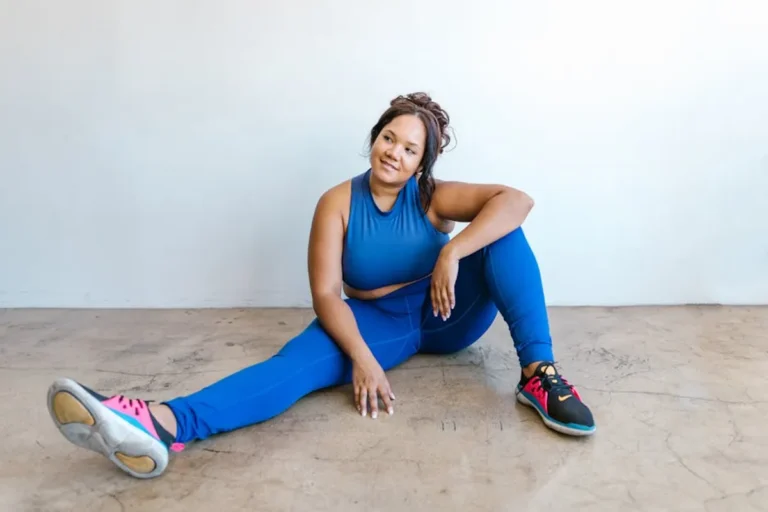

Selecting the correct running shoes is a critical decision that directly impacts performance, comfort, and injury prevention. It’s not about identifying a single "best" shoe, but rather the optimal match for an individual's unique biomechanics, running habits, and intended use. A well-chosen shoe acts as a foundational piece of equipment, mitigating impact and guiding foot motion, while a mismatched pair can lead to discomfort, inefficiency, and potential injuries. This guide outlines the essential factors to consider, moving beyond brand loyalty to focus on functional suitability.
Understanding Your Running Profile
Before evaluating specific shoe features, define your personal running profile. This involves assessing where, how often, and how far you typically run.
Running Surface
- Road: Most common, typically requires shoes with ample cushioning for hard surfaces and durable, smooth outsoles for pavement.
- Trail: Demands shoes with aggressive lug patterns for grip on uneven terrain, enhanced durability, and often rock plates for protection.
- Track/Treadmill: Lighter, more flexible shoes are often preferred for track work, while treadmill running can use road shoes, sometimes with less emphasis on outsole durability.
Running Frequency and Distance
Your weekly mileage and the typical length of your runs influence the required shoe characteristics. Daily trainers for high-mileage runners prioritize durability and balanced cushioning. Shoes for shorter, faster efforts might be lighter with more responsive cushioning, while ultra-marathon shoes emphasize maximum cushioning and protection.
Foot Strike and Biomechanics
While often debated, understanding your foot strike (heel, midfoot, or forefoot) can inform where cushioning is most beneficial. More importantly, assess your natural foot motion during the gait cycle, particularly pronation.
Assessing Your Foot Type and Pronation
Pronation is the natural inward roll of the foot as it strikes the ground, absorbing shock. The degree of pronation is key to determining the necessary level of support in a running shoe.
Arch Height and Pronation Types
- Low Arch (Flat Feet) / Overpronation: The foot rolls inward excessively, often leading to instability. Requires stability or motion control shoes.
- Neutral Arch / Neutral Pronation: The foot rolls inward appropriately. Suitable for neutral shoes without added support features.
- High Arch / Supination (Underpronation): The foot rolls inward insufficiently, often leading to higher impact forces. Benefits from neutral shoes with enhanced cushioning and flexibility.
Practical Assessment Methods
A simple "wet test" can provide an initial indication of arch type: wet your foot and step onto a piece of paper. A full footprint suggests a low arch, a partial print a neutral arch, and a thin line a high arch. For a more precise assessment, consider a gait analysis at a specialized running store, where trained staff observe your running form and foot mechanics on a treadmill.
Pro Tip: Always try on running shoes at the end of the day or after a run. Your feet naturally swell throughout the day, and trying shoes on at their largest will ensure a comfortable fit during actual running. Wear the type of socks you typically run in to get the most accurate feel.
Key Shoe Features to Evaluate
Once you understand your running profile and foot mechanics, focus on specific shoe attributes.
Cushioning
Cushioning refers to the material in the midsole that absorbs impact and provides comfort. It varies in amount and responsiveness.
- Max Cushioning: Offers plush comfort, ideal for long-distance training and recovery runs. Reduces impact fatigue.
- Moderate Cushioning: A balanced approach, suitable for daily training, offering a blend of comfort and responsiveness.
- Minimal/Responsive Cushioning: Lighter and firmer, designed for speed work, tempo runs, and race day. Provides a more "ground feel" and energy return.
Support and Stability
This feature addresses pronation control.
- Neutral Shoes: Designed for neutral pronators and supinators, offering cushioning without specific pronation control.
- Stability Shoes: Incorporate features like medial posts (firmer foam on the arch side) or guide rails to reduce excessive inward rolling for mild to moderate overpronators.
- Motion Control Shoes: Highly structured with dense materials and broad bases, providing maximum support for severe overpronators or larger runners.
Heel-to-Toe Drop (Offset)
The difference in height between the heel and forefoot of the shoe, measured in millimeters.
- High Drop (8mm+): Traditional design, often preferred by heel strikers.
- Mid Drop (4-8mm): A versatile option, suitable for various foot strikes.
- Low/Zero Drop (0-4mm): Promotes a more natural midfoot or forefoot strike, encouraging a more natural running form.
Shoe Weight
Generally, lighter shoes are favored for speed and racing, while heavier shoes often provide more cushioning, support, and durability for daily training.
Fit and Feel
The fit is paramount. There should be about a thumb's width of space between your longest toe and the end of the shoe. The midfoot should feel secure, and the heel should not slip. The shoe should feel comfortable from the moment you put it on; there should be no "breaking in" period for running shoes.
Making Your Final Selection
The most effective way to choose running shoes is through an informed, hands-on process. Visit a specialized running shoe store that offers gait analysis and allows you to try on multiple pairs. Run a short distance in each potential pair, either on a treadmill or a short loop outside the store, to assess comfort and feel under load. Do not rush the decision. Consider how the shoe feels across the top of your foot, around the ankle, and under the arch. Wear the type of socks you typically run in to ensure a comfortable fit during actual running.
Frequently Asked Questions
How often should I replace my running shoes?
Most running shoes should be replaced every 300 to 500 miles, or roughly every 4 to 6 months for regular runners. This can vary based on your weight, running style, and the terrain you run on. Look for signs of wear such as compressed midsole foam, worn-down outsoles, or new aches and pains after runs.
Can I use running shoes for other sports or activities?
While running shoes offer excellent cushioning for forward motion, their design is specific to running. They typically lack the lateral support and stability required for sports involving quick side-to-side movements, like tennis or basketball. Using them for other activities can increase the risk of injury and prematurely wear out the shoes.
What's the primary difference between road and trail running shoes?
Road running shoes prioritize cushioning and smooth, durable outsoles for consistent, hard surfaces. Trail running shoes feature aggressive, multi-directional lug patterns on the outsole for grip on uneven, soft, or technical terrain, along with enhanced upper durability and often rock plates for underfoot protection.
Should I size up when buying running shoes?
Many runners benefit from going up a half size compared to their casual shoes. This provides adequate room in the toe box to accommodate foot swelling during runs and prevents toes from jamming against the front of the shoe, which can lead to blisters or black toenails. Ensure a thumb's width of space between your longest toe and the shoe's end.