Selecting the right training accessories can significantly impact workout effectiveness, injury prevention, and overall progress. The market offers a vast array of options, from fundamental support items to specialized performance enhancers. Navigating this landscape requires understanding individual training goals, activity types, and personal fit preferences. An informed choice ensures that each accessory serves a specific, beneficial purpose, rather than adding unnecessary clutter or hindering performance. To help navigate this complex market, consider consulting a buyer's guide to accessories that covers essential considerations.
Fundamental Considerations for Accessory Selection
Before evaluating specific items, a systematic approach to accessory selection involves several core principles that apply universally across all training disciplines.
- Define Your Primary Training Goal: Are you focused on strength, endurance, flexibility, recovery, or injury prevention? The accessory must directly support this objective. For instance, a powerlifter's needs differ significantly from a marathon runner's or a yogi's.
- Identify Your Specific Activity: Different training modalities demand distinct tools. Weightlifting requires stability and grip assistance, while long-distance running prioritizes hydration and impact absorption. Matching the accessory to the activity ensures functional relevance.
- Prioritize Fit and Comfort: An ill-fitting accessory can be detrimental, causing discomfort, restricting movement, or even increasing injury risk. This is especially crucial for items like belts, shoes, and compression wear, where precise sizing and ergonomic design are paramount.
- Assess Durability and Material Quality: Training accessories endure considerable stress. High-quality materials and robust construction ensure longevity and consistent performance, offering better long-term value than cheaper, less durable alternatives.
- Consider Your Budget: While quality is important, a wide price range exists for most accessories. Determine a realistic budget and seek items that offer the best balance of function, durability, and cost-effectiveness for your needs.
Strength Training Support
For individuals engaged in resistance training, specific accessories can enhance stability, improve grip, and provide targeted support during heavy lifts. These items can extend their utility beyond the gym, making them excellent accessories for training and daily life.
Lifting Belts
Lifting belts provide external support to the lumbar spine and increase intra-abdominal pressure, stabilizing the core during compound movements such as squats, deadlifts, and overhead presses. They are not a substitute for core strength but act as an aid for maximal efforts.
Best for: Heavy compound lifts, experienced lifters seeking to push limits, individuals with specific back support needs.
Lifting Straps
Lifting straps are designed to improve grip strength, allowing lifters to hold onto heavier weights for longer durations than their natural grip might permit. This enables the target muscles (e.g., back muscles during rows or deadlifts) to fatigue before grip becomes the limiting factor.
Best for: Deadlifts, heavy rows, pull-ups, and other exercises where grip strength limits the primary muscle's capacity.
Knee Sleeves and Wraps
Knee sleeves offer compression and warmth to the knee joint, which can reduce discomfort and provide a psychological sense of support during squats and other leg exercises. Knee wraps, on the other hand, provide a higher degree of elastic support, allowing for greater rebound out of the bottom of a squat.
Best for: Knee sleeves for general support and warmth; knee wraps for maximal squat efforts in powerlifting.
Wrist Wraps
Wrist wraps provide support and stability to the wrist joint during pushing movements like bench presses, overhead presses, and push-ups. They help prevent hyperextension and can reduce strain on the wrists.
Best for: Heavy pressing movements, individuals experiencing wrist discomfort or instability.
Cardio and Endurance Aids
Endurance activities benefit from accessories that manage hydration, track performance, and enhance comfort over extended periods.
Hydration Systems
For prolonged cardio sessions, adequate hydration is critical. Options range from handheld bottles to hydration vests or backpacks with reservoirs, allowing continuous fluid intake without interrupting activity.
Best for: Long-distance running, cycling, hiking, and extended outdoor workouts.
Heart Rate Monitors
Heart rate monitors provide real-time data on cardiovascular exertion, enabling training within specific heart rate zones to optimize for fat burning, endurance, or peak performance. They can be chest strap-based for accuracy or wrist-based for convenience.
Best for: Zone training, performance tracking, optimizing cardiovascular fitness goals.
Flexibility, Mobility, and Recovery Tools
These accessories are crucial for improving range of motion, reducing muscle soreness, and accelerating recovery between training sessions.
Foam Rollers and Massage Balls
Foam rollers are used for self-myofascial release, helping to break up muscle knots, improve circulation, and increase flexibility. Massage balls offer more targeted pressure to smaller, harder-to-reach areas.
Best for: Post-workout recovery, improving flexibility, addressing muscle tightness and trigger points.
Resistance Bands
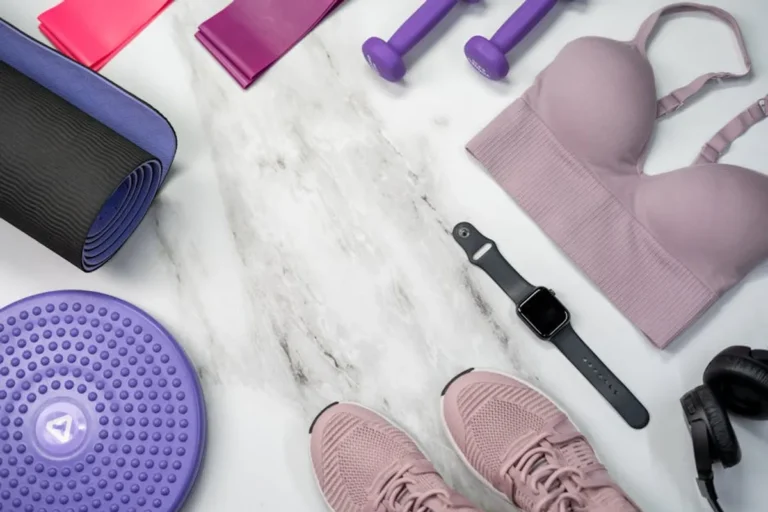
Resistance bands are versatile tools for warm-ups, mobility drills, stretching, and adding progressive resistance to bodyweight exercises. They come in various resistance levels and can be used for activation work or rehabilitation.
Best for: Warm-ups, stretching, mobility work, adding resistance to bodyweight exercises, rehabilitation.
Pro Tip: Always prioritize mastering proper form and technique before relying heavily on training accessories. Accessories are designed to augment your capabilities and support your body, not to compensate for fundamental weaknesses or incorrect movement patterns. Over-reliance can mask issues and potentially lead to injury.
Making an Informed Choice
The selection of training accessories should be a deliberate process, driven by specific needs rather than fleeting trends. Start by clearly defining your training objectives and the activities you regularly engage in. Research products known for their quality and durability, and read reviews from users with similar training profiles. When possible, try on items like belts, shoes, or gloves to ensure a comfortable and secure fit before purchasing. Remember that the most effective accessory is one that seamlessly integrates into your routine, enhances your performance or recovery, and contributes positively to your long-term fitness journey.
Frequently Asked Questions
Do I need every type of training accessory?
No. Your accessory needs are highly individual and depend entirely on your specific training goals, the type of exercises you perform, and any existing physical considerations. Focus on acquiring items that directly address a clear need or enhance a specific aspect of your training.
How often should I replace my training accessories?
The lifespan of training accessories varies widely based on material quality, frequency of use, and intensity of workouts. Inspect items regularly for signs of wear and tear, such as frayed stitching, loss of elasticity, or structural damage. Replace them when they no longer provide their intended support or function, or if they pose a safety risk.
Can training accessories prevent all injuries?
While certain accessories like knee sleeves or wrist wraps can offer support and potentially reduce the risk of specific injuries by stabilizing joints or enhancing form, they do not guarantee complete injury prevention. Proper form, adequate warm-ups, progressive overload, and listening to your body remain the most critical factors in avoiding injuries.
Are more expensive accessories always better?
Not necessarily. While higher-priced items often use premium materials and superior construction, a mid-range accessory that perfectly fits your needs and provides adequate function can be just as effective. Prioritize fit, function, and durability over brand name or price tag alone.