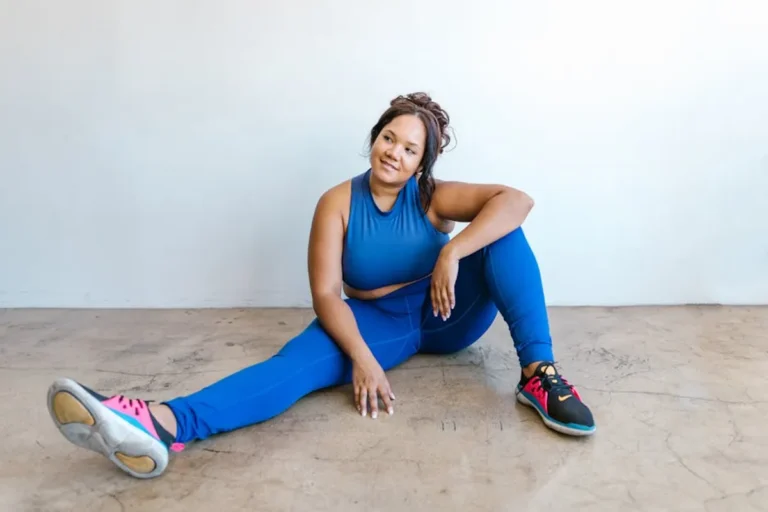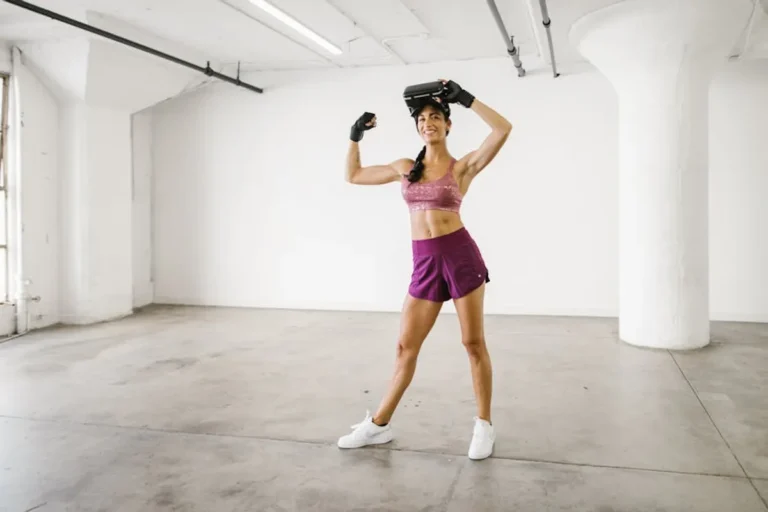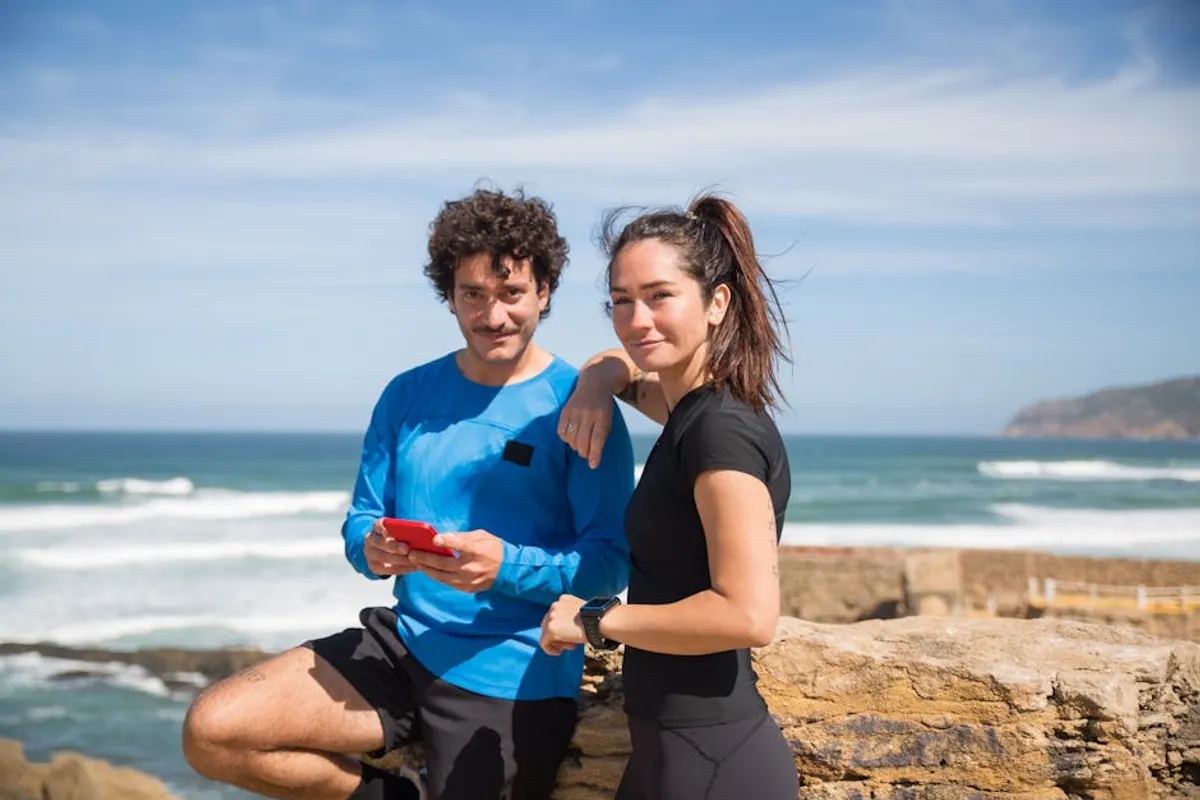
Selecting the correct size and fit for outdoor sportswear transcends mere comfort; it directly influences performance, safety, and overall enjoyment during activities. Unlike everyday clothing, outdoor apparel is engineered for specific functions—whether it's moisture management, thermal regulation, or protection from the elements. An ill-fitting garment can restrict movement, compromise insulation, or fail to wick sweat effectively, turning an intended benefit into a hindrance. Understanding the nuances of outdoor sizing ensures your gear functions as designed, providing the necessary protection and performance for varied conditions and strenuous activity.
Understanding Outdoor Sportswear Sizing
Outdoor sportswear sizing often diverges from standard casual wear due to its functional requirements. Manufacturers design these garments with performance in mind, accounting for dynamic movement, layering systems, and specialized materials. This means a "medium" in an outdoor brand might fit differently than a "medium" in a fashion brand, and even vary between product lines within the same outdoor manufacturer.
Layering Considerations
Many outdoor activities rely on a layering system for adaptable temperature regulation. Base layers are designed to fit snugly against the skin for effective moisture wicking. Mid-layers require enough room to fit over a base layer without compressing it, which would diminish insulation. Outer shells, or waterproof/windproof jackets, must accommodate both base and mid-layers comfortably, allowing for full range of motion without feeling bulky or restrictive. When evaluating outerwear, consider the thickest mid-layer you anticipate wearing underneath.
Activity-Specific Fit
The intended activity dictates the optimal fit. For high-output activities like trail running or cycling, a more athletic, streamlined fit reduces drag and maximizes moisture transfer. Climbing apparel often features articulated knees and elbows, with a fit that allows for maximum reach and flexibility without excess fabric bunching. Backpacking gear might prioritize a slightly looser fit for extended comfort and ventilation, especially in warmer conditions. Always match the garment's fit to the demands of your specific sport.
Material Stretch and Compression
Modern outdoor fabrics incorporate various levels of stretch and compression. Garments with significant stretch, often containing elastane or spandex, can offer a closer fit while maintaining freedom of movement. Compression wear, common in base layers or running apparel, is designed to support muscles and enhance blood flow, requiring a very snug fit. Understanding the material composition helps anticipate how a garment will feel and perform once worn.
Key Measurements for Outdoor Apparel
Accurate body measurements are the foundation for selecting the correct size. Use a flexible tape measure and take measurements directly against your skin, without clothing, for the most precise results. Do not rely on your everyday clothing size, as these can vary significantly.
Torso and Chest
For tops, jackets, and vests, your chest measurement is primary. Measure around the fullest part of your chest, typically just under the armpits, keeping the tape horizontal and parallel to the floor. Ensure the tape is snug but not tight. For shirts, also consider neck circumference if button-up collars are present.
Waist and Hips
For pants, shorts, and skirts, measure your natural waistline, which is usually the narrowest part of your torso, above your belly button. For hip measurements, stand with your feet together and measure around the fullest part of your hips and buttocks. These measurements are crucial for ensuring pants stay up and move with you.
Inseam and Arm Length
Inseam refers to the length of the leg from the crotch to the bottom hem. Measure from the top of your inner thigh down to where you want the pant hem to fall, typically at the top of your foot. For arm length, measure from the center of your back (at the base of your neck), across your shoulder, down your arm to your wrist bone, with your arm slightly bent. This ensures sleeves are long enough for full arm extension without riding up.
Fit Categories and Their Purpose
Manufacturers often categorize fit to guide consumers. These categories are not standardized across brands but generally follow common principles.
Slim/Athletic Fit
Purpose: Minimizes excess fabric to reduce bulk and drag, enhancing thermal efficiency for base layers or improving aerodynamics for high-speed activities.
Characteristics: Closest to the body, often with articulated sections for movement.
Best for: Base layers, running apparel, climbing tops, cycling jerseys.
Regular/Standard Fit
Purpose: Offers a balance between close-fitting and loose, allowing for comfortable layering and unrestricted movement for a wide range of activities.
Characteristics: Follows the body's contours without being tight, providing room for light layering.
Best for: Versatile hiking shirts, mid-layer fleeces, general-purpose jackets.
Relaxed/Loose Fit
Purpose: Provides maximum room for movement, ventilation, and heavy layering.
Characteristics: Generous cut, often with a longer length or wider sleeves/legs.
Best for: Over-pants, insulated parkas, casual outdoor wear, certain backcountry ski shells.
Pro Tip: Always consult the specific manufacturer's size chart for the exact garment you are considering. Do not assume your size from one brand or product line will translate directly to another. Size charts often include both body measurements and garment measurements, providing a more precise fit guide.
Special Considerations for Specific Gear
Certain outdoor gear items have unique sizing factors that require extra attention.
Jackets and Outerwear
Ensure jackets allow for full arm extension and shoulder rotation without the hem riding up or sleeves becoming too short. Check that the hood fits over any helmet you plan to wear, if applicable, and that it doesn't obstruct peripheral vision. The jacket should zip up comfortably over all intended layers.
Pants and Bottoms
Pants should allow for deep squats and high steps without pulling at the waist or crotch. Consider features like adjustable waistbands or belt loops. For waterproof pants, ensure they are long enough to cover your boots but not so long they drag or bunch excessively.
Base Layers and Mid-Layers
Base layers need to be snug to effectively wick moisture. Mid-layers should fit comfortably over the base layer without feeling tight, as compression can reduce their insulating properties. Check for unrestricted arm and shoulder movement.
Footwear
While not apparel in the same sense, footwear sizing is critical. Always try on shoes or boots with the socks you intend to wear. Ensure there is about a thumb's width of space between your longest toe and the end of the shoe. Your heel should feel secure but not pinched. Foot swelling occurs during activity, so trying shoes on later in the day can provide a more accurate fit.
Leveraging Size Charts and Online Resources
Beyond personal measurements, several resources can help refine your size selection.
Manufacturer-Specific Charts
These are the most authoritative source. Locate them on product pages, often linked as "Size Guide" or "Size Chart." Pay attention to any notes about how a particular item fits (e.g., "runs small," "athletic fit").
Customer Reviews and Feedback
Many online retailers feature customer reviews that include feedback on sizing. Look for comments like "true to size," "size up," or "size down," especially from individuals with similar body types or intended uses. This qualitative data can provide practical context to the quantitative measurements.
- Read multiple reviews to identify common themes.
- Prioritize reviews from individuals who provide their height, weight, or typical size.
- Look for comments specifically addressing fit for layering or particular activities.
Testing Fit Before Purchase
If possible, physically trying on gear is the most reliable method to ensure proper fit. When trying on outdoor sportswear, go beyond simply standing still.
Mimic Movement
Perform the movements you would during your intended activity. For a hiking jacket, raise your arms overhead, bend, and twist. For climbing pants, high-step and squat. This reveals any restrictions, pulling, or excessive fabric that could hinder performance.
Consider Layering
If buying an outer shell, bring the thickest mid-layer you might wear underneath. Try on the shell with all layers to confirm it still allows for comfortable movement and doesn't feel overly snug or restrict blood flow.
Check for Restrictions
Pay attention to pinch points, areas of tightness, or fabric bunching. Common areas include shoulders, armpits, knees, and the waist. Restrictions not only cause discomfort but can also compromise the garment's ability to insulate or wick moisture.
Optimizing Performance and Comfort Through Fit
Investing time in understanding and achieving the correct fit for outdoor sportswear pays dividends in performance, comfort, and the longevity of your gear. Proper fit ensures that technical fabrics perform their intended function—whether it's moisture wicking, insulation, or weather protection—without compromise. It prevents chafing, allows for unrestricted movement, and ultimately enhances your experience in any outdoor pursuit. By prioritizing fit, you transform your apparel from mere clothing into an integral part of your outdoor system, ready to support you through varied conditions and demanding activities.
Frequently Asked Questions
Should I size up for layering in outdoor jackets?
Generally, outdoor jacket sizes are designed to accommodate appropriate layering for their intended use. However, if you plan to wear exceptionally bulky mid-layers or prefer a very relaxed fit, checking the manufacturer's specific recommendations or trying on with your thickest layers is advisable.
How do I know if a base layer is too tight or too loose?
A base layer is too tight if it restricts movement or causes discomfort. It's too loose if it sags, bunches, or doesn't maintain constant contact with your skin, which compromises its ability to wick moisture effectively. It should feel like a second skin, snug but not constricting.
What is "articulated" sizing in outdoor apparel?
Articulated sizing refers to garments designed with pre-bent or shaped sections, typically at the elbows, knees, or shoulders. This construction technique allows for a closer fit without sacrificing range of motion, as the fabric is cut to conform to the body's natural bending points during activity.
Can I rely on my street clothing size for outdoor gear?
It is not recommended to rely solely on your street clothing size. Outdoor sportswear often has different fit philosophies and sizing standards compared to casual wear, prioritizing function over fashion. Always consult the specific brand's size chart and take your body measurements. Consulting size charts and taking measurements are vital steps in how to pick the right gear for your activities.