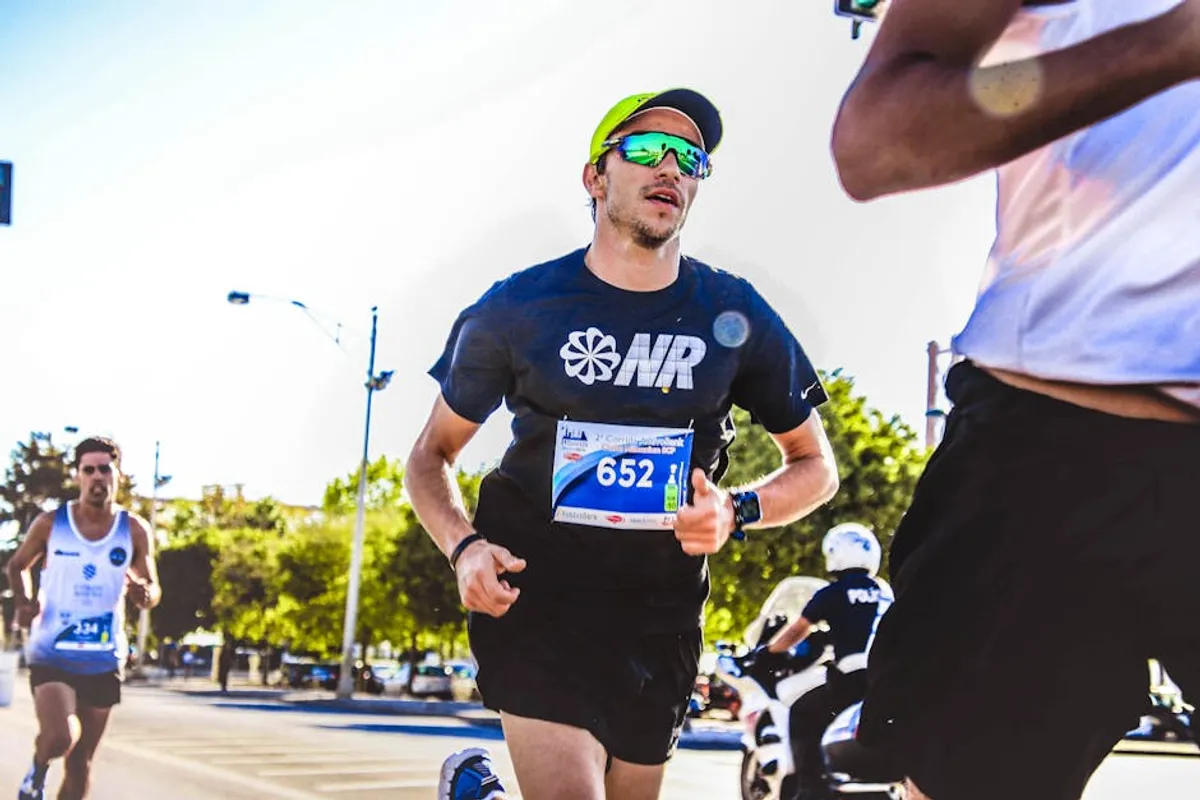
Embarking on a running journey requires more than just enthusiasm; it demands the right equipment to ensure comfort, prevent injury, and sustain motivation. For beginners, the sheer volume of gear options can be overwhelming, leading to unnecessary purchases or, worse, neglecting crucial items. This guide outlines the fundamental running gear essentials, prioritizing function, safety, and durability, allowing new runners to build a practical kit without overspending or compromising their experience.
Essential Footwear: The Foundation of Your Run
The most critical piece of equipment for any runner is a pair of appropriate shoes. Footwear directly impacts biomechanics, shock absorption, and overall comfort, making it a primary factor in injury prevention.
Running Shoe Selection
Selecting the correct running shoes involves understanding your foot strike and gait cycle. Shoes are generally categorized as neutral, stability, or motion control, each designed to address specific foot mechanics. Neutral shoes suit runners with efficient foot motion, while stability shoes offer support for mild pronation (inward rolling of the foot). Motion control shoes provide maximum support for severe pronation. Visiting a specialty running store for a gait analysis is highly recommended. Trained staff can observe your foot mechanics during a short run and recommend shoes that align with your natural movement pattern, reducing the risk of common issues like shin splints or runner's knee.
Running Socks
Often overlooked, running socks play a significant role in foot comfort and health. Cotton socks absorb moisture and can lead to blisters and discomfort. Opt for socks made from synthetic materials like polyester, nylon, or merino wool. These fabrics wick moisture away from the skin, keeping feet dry and reducing friction. Look for designs with targeted cushioning in high-impact areas and seamless construction to minimize irritation.
Apparel for Comfort and Performance
Your clothing choices directly influence temperature regulation and friction management, impacting comfort over varying distances and conditions.
Moisture-Wicking Tops and Bottoms
The primary function of running apparel is to manage sweat and maintain a stable body temperature. Synthetic fabrics such as polyester, nylon, and spandex are engineered to pull moisture away from the skin, allowing it to evaporate quickly. This prevents chafing, a common issue for runners, and helps regulate body heat. For tops, consider short-sleeved shirts or tank tops for warm weather and long-sleeved options for cooler conditions. Bottoms can range from shorts to leggings, depending on personal preference and climate. A layered approach is often best, allowing you to adapt to changing temperatures during a run.
Outerwear for Inclement Weather
Running in rain, wind, or cold requires specific outerwear to protect against the elements. A lightweight, water-resistant or waterproof jacket is essential for wet conditions, preventing saturation and maintaining core body temperature. For wind, look for jackets with wind-blocking properties. Many running jackets also incorporate reflective elements, enhancing visibility in low-light conditions, which is a critical safety feature.
Hydration and Nutrition Support
Maintaining proper hydration and fueling during longer runs is crucial for performance and preventing fatigue.
Hydration Solutions
Dehydration can significantly impair performance and lead to health risks. For runs exceeding 30-45 minutes, especially in warm weather, carrying water is advisable. Options include handheld bottles, hydration belts with multiple small bottles, or hydration vests with bladders for larger capacities. The choice depends on the run duration and personal comfort. For runs over an hour, consider adding electrolytes to your water to replenish lost salts.
On-the-Go Nutrition (for longer runs)
For runs lasting 60 minutes or more, particularly as mileage increases, carbohydrate intake becomes important to sustain energy levels. Running-specific nutrition products like energy gels, chews, or small, easily digestible snacks provide quick fuel. Experiment during training to find what works best for your digestive system and determine the optimal timing for consumption.
Pro Tip: Begin your running journey with the absolute essentials: well-fitting shoes and moisture-wicking apparel. Resist the urge to invest in every gadget immediately. As you accumulate miles and understand your specific needs and preferences, you can gradually upgrade or add specialized items to your kit. This phased approach saves money and ensures every purchase serves a genuine purpose based on your evolving running habits.
Safety and Convenience Accessories
Beyond core gear, certain accessories enhance safety, track progress, and improve the overall running experience.
- Headlamp or Reflective Gear: For early morning or evening runs, visibility is paramount. A headlamp illuminates your path and makes you visible to others, while reflective vests, bands, or apparel enhance your profile for motorists and cyclists. Look for gear that meets safety standards for reflectivity.
- GPS Watch or Phone Armband: Tracking distance, pace, and time is motivating and helps monitor progress. A GPS watch offers dedicated tracking without carrying a phone. Alternatively, a phone armband provides a secure way to carry your smartphone for tracking apps, music, and communication.
- Anti-Chafe Balm: Preventing chafing is key to comfort. Products like petroleum jelly or specialized anti-chafe balms can be applied to areas prone to friction, such as inner thighs, underarms, and bra lines, to create a protective barrier.
Building Your Running Kit: A Phased Approach
Equipping yourself for running doesn't require a single, large investment. Start with the non-negotiables: properly fitted running shoes and moisture-wicking clothing. Once these core items are in place, introduce hydration solutions as your run distances increase. Finally, integrate safety and convenience accessories based on your running environment and personal goals. This incremental strategy ensures that each piece of gear genuinely supports your running aspirations without unnecessary expenditure.
Frequently Asked Questions
Do I need special running shoes as a beginner?
Yes, appropriate running shoes are crucial. They provide the necessary cushioning, support, and stability to protect your feet and joints, helping prevent injuries as you start running. A gait analysis at a specialty store is highly recommended.
What clothing should I avoid when running?
Avoid cotton clothing. Cotton absorbs sweat and stays wet, leading to chafing, discomfort, and a higher risk of hypothermia in cold weather. Opt for synthetic, moisture-wicking fabrics instead.
How do I stay hydrated during a run?
For runs under 30-45 minutes, pre-hydrating is usually sufficient. For longer runs, carry water using a handheld bottle, hydration belt, or vest. Consider electrolyte drinks for runs over an hour, especially in warm conditions.
Is it okay to run with my phone instead of a GPS watch?
Absolutely. Many running apps use your phone's GPS to track distance, pace, and other metrics. A phone armband provides a secure and convenient way to carry your phone while running, often serving as a multi-purpose device for music and emergencies.