Selecting a sports jersey involves more than just picking a favorite team or player; it requires understanding the distinct characteristics that define quality, purpose, and value. This guide outlines the critical factors to consider when purchasing sports jerseys, ensuring an informed decision that aligns with both intent and budget. From material composition to fit and authenticity, each element plays a significant role in the overall ownership experience.
Distinguishing Jersey Categories
Sports jerseys are broadly categorized into several types, each designed with specific applications and price points in mind. Recognizing these distinctions is fundamental to making a commercially sound choice, whether for personal use, resale, or understanding market segmentation.
Authentic Jerseys
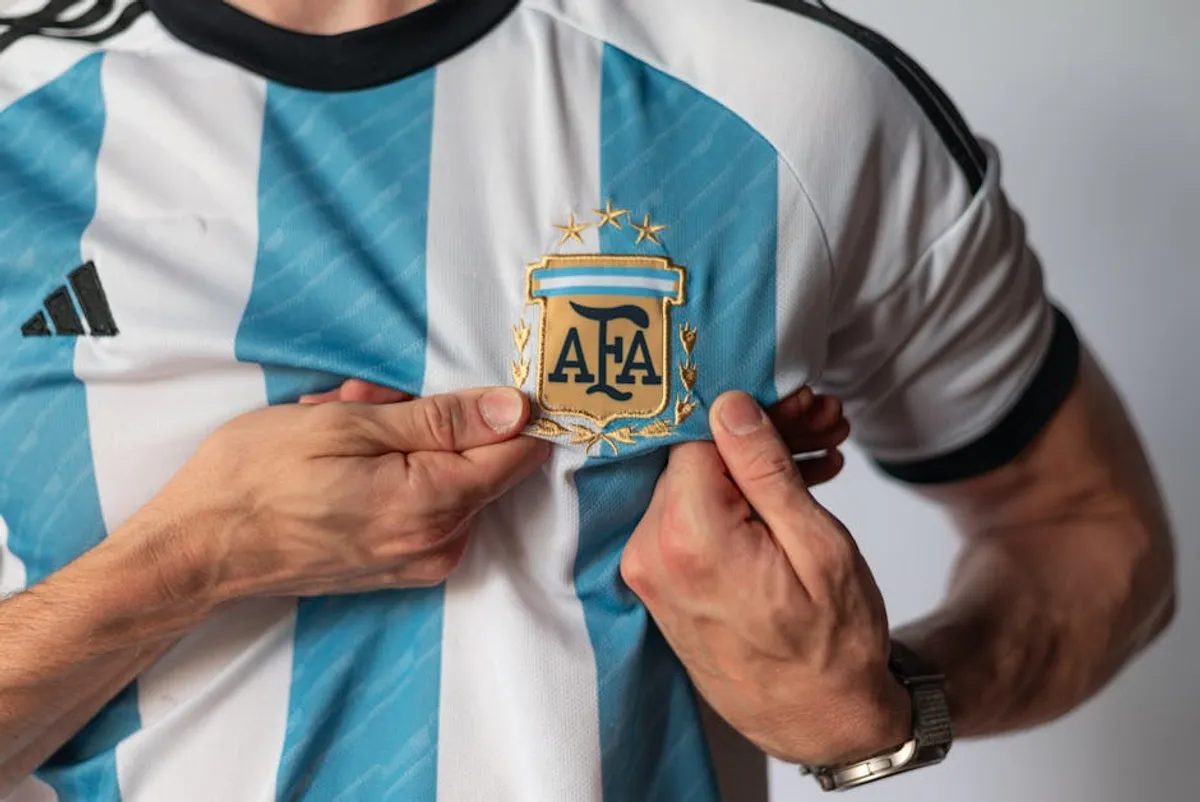
Authentic jerseys are the closest replication of what professional athletes wear on the field. They feature premium materials, often with advanced moisture-wicking and ventilation technologies, and a tailored, athletic fit designed for performance. Details like embroidered logos, patches, and numbers are common, contributing to their higher cost. These jerseys are built for durability and comfort in demanding conditions, reflecting a direct connection to professional-grade equipment. The construction prioritizes flexibility, breathability, and reduced weight.
Replica Jerseys
Replica jerseys are designed for fans and offer a more accessible price point. While they mimic the aesthetic of authentic jerseys, they typically use more common fabric blends, such as polyester, without the advanced performance features. Logos, numbers, and player names are often screen-printed rather than embroidered, and the fit is generally looser and more relaxed for casual wear. These jerseys provide a visual connection to the team without the performance-oriented construction, making them a popular choice for everyday support.
Fanatics and Special Edition Jerseys
Beyond authentic and replica, various special edition or "fanatics" jerseys exist. These can range from throwback designs commemorating historical teams or events to limited-run collections featuring unique colorways or stylistic departures. Their value is often tied to scarcity, design novelty, or nostalgic appeal rather than performance features. Understanding the target audience for these specific releases is key to assessing their market viability and desirability.
Material and Construction Differences
The fabric and manufacturing techniques employed in a sports jersey significantly impact its feel, durability, and functional properties. Material choices directly influence breathability, moisture management, and overall comfort, which are critical differentiators in the market.
- Polyester: The most common base material, offering durability, wrinkle resistance, and color retention. Performance polyesters are engineered with microfibers to wick moisture away from the body.
- Mesh Panels: Often integrated into high-stress or high-sweat areas (e.g., underarms, back) to enhance airflow and ventilation, crucial for performance and comfort.
- Elastane/Spandex Blends: Added for stretch and flexibility, allowing for a more athletic fit and unrestricted movement, particularly in authentic jerseys.
- Stitching: Double-stitched seams improve durability and prevent tearing, a hallmark of higher-quality construction. Reinforced stitching is particularly important in areas subject to frequent stress.
- Embellishments: Embroidered patches and stitched-on numbers/letters offer a premium look and greater longevity compared to heat-pressed or screen-printed alternatives, which can crack or peel over time.
Fit and Sizing Considerations
The fit of a sports jersey is a crucial factor influencing comfort and aesthetic. Different jersey types are designed with distinct silhouettes, and understanding these is essential for a satisfactory purchase.
Athletic vs. Relaxed Fit
Authentic jerseys typically feature an "athletic" or "slim" fit, designed to hug the body closely to minimize bulk and optimize performance. This can feel restrictive for casual wear. Replica jerseys, conversely, often offer a "relaxed" or "fan" fit, providing more room in the chest, waist, and arms for a comfortable, everyday feel. Buyers should consult sizing charts and consider their preferred wearing style—whether layered over other clothing or worn directly against the skin.
Gender-Specific and Youth Sizing
Many brands offer gender-specific cuts, with women's jerseys often featuring a more tailored waist and different shoulder dimensions. Youth sizing is also prevalent, designed proportionally for younger fans. Verifying specific measurements against a brand's sizing guide is always recommended, as sizing can vary significantly between manufacturers and even across different product lines from the same brand. Verifying measurements is key when buying athletic wear for different body types.
Pro Tip: Always cross-reference the jersey's listed size with the manufacturer's specific sizing chart, paying close attention to chest, waist, and length measurements. Do not assume consistency across brands or even between different jersey editions from the same brand. A good fit ensures comfort and enhances the perceived value of the garment.
Authenticity and Licensing
Ensuring the authenticity of a sports jersey is paramount, particularly given the prevalence of counterfeit products. Licensed merchandise guarantees quality and supports the teams and leagues.
Official Licensing Marks
Legitimate jerseys will carry official licensing tags or holograms, typically found on the tag, hem, or packaging. These marks confirm that the product has been officially sanctioned by the respective league (e.g., NFL, NBA, MLB, NHL, FIFA) or team. These identifiers are a direct indication of genuine merchandise, ensuring compliance with quality standards and intellectual property rights.
Vendor Reputation
Purchasing from authorized retailers, official team stores, or well-established sports apparel vendors minimizes the risk of acquiring counterfeit goods. These channels offer guarantees of authenticity and often provide robust customer service for returns or exchanges. Be wary of unusually low prices from unverified sources, as this is a common indicator of non-authentic products.
Care and Longevity
Proper care extends the life and maintains the appearance of a sports jersey, preserving its commercial and personal value.
Washing Instructions
Most jerseys require gentle care. Washing inside out in cold water on a delicate cycle is generally recommended to protect screen-printed or embroidered details. Air drying is preferable to machine drying, as high heat can damage fabric fibers, cause shrinkage, or degrade printed graphics. Avoiding harsh detergents, bleach, and fabric softeners helps maintain material integrity and color vibrancy.
Storage Best Practices
Store jerseys in a cool, dry place away from direct sunlight to prevent fading. Hanging them on appropriate hangers helps maintain their shape, particularly for authentic jerseys with more structured fits. Folding neatly can also prevent creases and preserve graphics, especially for jerseys with heat-pressed elements.
Making Your Informed Selection
The decision to purchase a specific sports jersey should be driven by a clear understanding of its intended use, material composition, and fit. For performance-oriented needs, authentic jerseys offer advanced features and a tailored fit. For casual fan wear, replica jerseys provide a comfortable, cost-effective option. Regardless of the type, verifying authenticity through official licensing and reputable vendors is crucial. By considering these factors, buyers can confidently select a jersey that meets their expectations for quality, comfort, and team representation, maximizing the commercial return on their investment.
Frequently Asked Questions
What is the primary difference between an authentic and a replica jersey?
Authentic jerseys are made with premium performance materials, feature a tailored athletic fit, and often have embroidered details, similar to what players wear. Replica jerseys use more common fabrics, have a relaxed fan fit, and typically feature screen-printed graphics, offering a more affordable option for casual wear.
How can I ensure the jersey I'm buying is authentic?
Look for official licensing tags, holograms, or seals from the respective league or team on the jersey or its packaging. Always purchase from authorized retailers, official team stores, or reputable sports apparel vendors to minimize the risk of counterfeit products.
What's the best way to care for my sports jersey?
To prolong its life, wash your jersey inside out in cold water on a delicate cycle. Air dry it to prevent damage to fabrics and graphics from high heat. Avoid using bleach or harsh detergents, which can degrade materials and colors.
Should I size up or down for a sports jersey?
It depends on the jersey type and your preferred fit. Authentic jerseys tend to run smaller due to their athletic fit, so you might consider sizing up for comfort. Replica jerseys generally have a more relaxed fit, so your true size or even sizing down might be appropriate if you prefer a snugger feel. Always consult the specific brand's sizing chart.