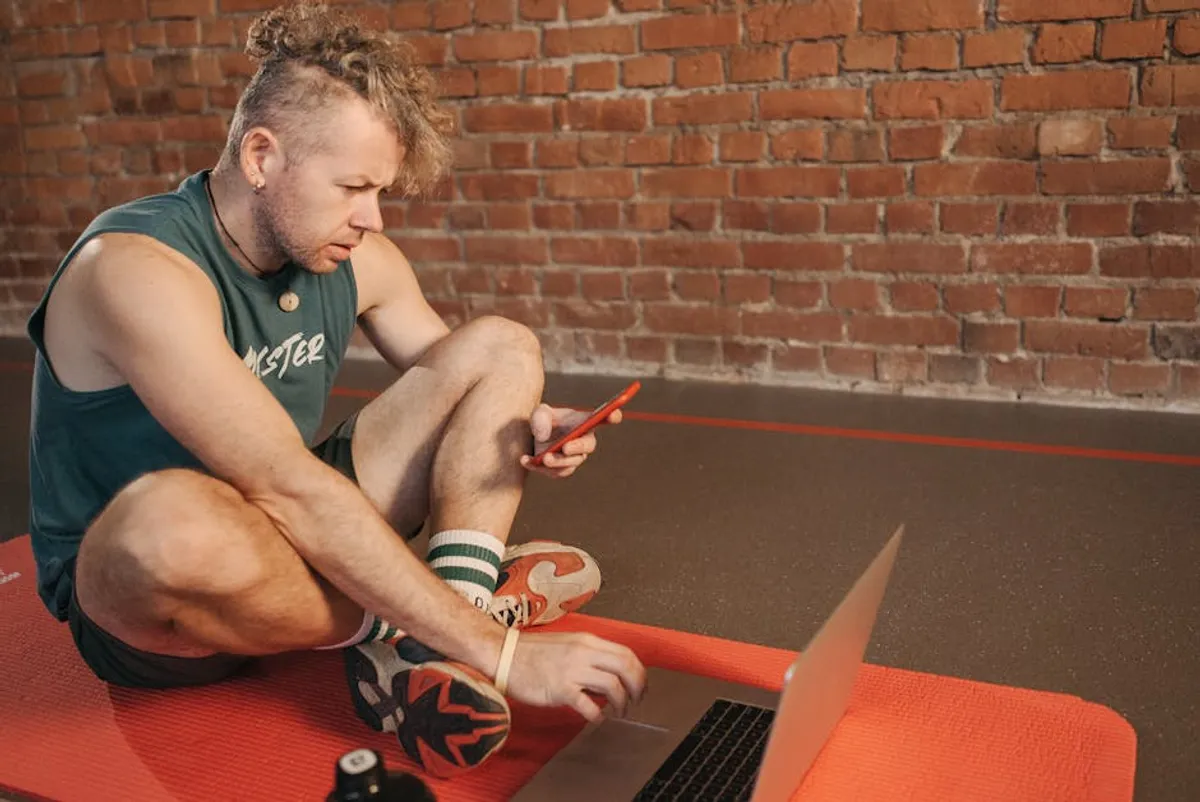
Selecting sportswear that fits correctly is not merely about comfort; it directly impacts performance, prevents chafing, and reduces the likelihood of product returns. Ill-fitting athletic apparel can restrict movement, fail to wick moisture effectively, or provide inadequate support, undermining the intended benefits of the garment and the user's activity. Understanding the nuances of sportswear sizing, which often differs significantly from everyday clothing, is crucial for both consumer satisfaction and commercial efficiency.
Understanding Sportswear Sizing Dynamics
Sportswear is engineered for specific functions, meaning its sizing often prioritizes performance over casual comfort. A running top designed for moisture-wicking and minimal drag will fit differently than a cotton t-shirt of the same nominal size. This functional design necessitates a more precise approach to measurement and selection.
Why Standard Sizing Fails in Sportswear
Unlike casual wear, where a "medium" might offer a forgiving range, sportswear relies on a closer, more anatomical fit to perform its job. Compression garments, for example, are designed to apply specific pressure. If too loose, they lose their therapeutic effect; if too tight, they restrict circulation. Manufacturers often calibrate their sizes based on body measurements rather than general apparel sizes, making direct conversion unreliable.
Key Measurements to Take
Accurate self-measurement forms the foundation of successful sportswear purchases. Use a flexible tape measure and ensure it's snug but not tight. For tops and jackets, focus on chest circumference (around the fullest part), waist circumference (at the narrowest part), and arm length (from shoulder to wrist). For bottoms, crucial measurements include waist, hip circumference (around the fullest part of your glutes), and inseam (from crotch to ankle bone). Always measure directly against your skin, not over clothing, for precision.
Decoding Size Charts and Brand Specifics
Every sportswear brand maintains its own sizing philosophy and corresponding charts. Relying on a single universal size can lead to frequent sizing errors and product dissatisfaction.
Navigating Manufacturer Size Charts
Before purchasing, always consult the specific size chart provided by the manufacturer for the product in question. These charts typically list body measurements (in inches or centimeters) alongside their corresponding apparel sizes (S, M, L, etc.). Pay close attention to the specific garment type, as a brand's sizing for a base layer might differ from its outerwear. Some brands also offer "tall" or "petite" variations, which account for torso and limb length.
The Impact of Fabric and Stretch
The material composition of sportswear significantly influences its fit and how it feels on the body. Fabrics with high elastane or spandex content offer considerable stretch, allowing for a snug fit that moves with the body. Non-stretch or low-stretch fabrics, like some woven shorts or jackets, require more precise sizing to avoid restriction. Understand the fabric's properties to anticipate how the garment will conform to your measurements.
Pro Tip: When between sizes on a manufacturer's chart, consider the garment's primary function. For compression or support, size down if the fabric has significant stretch. For layering or maximum freedom of movement, size up. Always prioritize the measurement that corresponds to the garment's most critical fit point (e.g., chest for a jacket, hips for leggings).
Fit Types and Their Purpose
Sportswear designers create garments with distinct fit profiles, each optimized for different activities and desired outcomes. Recognizing these types helps in selecting the most appropriate gear.
Compression Fit: Support and Recovery
Best for: High-intensity workouts, recovery, muscle support.
Compression garments are designed to fit extremely snugly, applying graduated pressure to muscles. This is intended to improve blood flow, reduce muscle vibration, and potentially aid in recovery. A proper compression fit should feel like a second skin, tight but not restrictive or painful. If it bunches or sags, it's too loose and won't provide the intended benefits.
Athletic/Performance Fit: Mobility and Comfort
Best for: Running, cycling, gym workouts, team sports.
This fit is typically close to the body but allows for a full range of motion without excess fabric. It's often tapered in key areas to prevent flapping or snagging. The goal is to provide comfort and performance without hindering movement. It should not feel tight in any specific area, especially around joints.
Relaxed/Loose Fit: Breathability and Layering
Best for: Warm-ups, casual wear, activities requiring maximum air circulation, layering over other garments.
A relaxed fit offers more room through the body and limbs, promoting airflow and allowing for comfortable layering. While it provides less muscle support than compression or athletic fits, it excels in breathability and unrestricted movement, especially in activities where a looser feel is preferred.
Practical Advice for Accurate Sizing
Beyond measurements and charts, several strategies can refine your sportswear sizing decisions.
Measuring at Home: Best Practices
- Enlist assistance for back measurements or hard-to-reach areas.
- Measure at the end of the day when your body is typically at its largest.
- Wear minimal, form-fitting clothing (like underwear) to ensure accuracy.
- Repeat measurements 2-3 times to confirm consistency.
Leveraging Customer Reviews and Q&A
Online product reviews often contain invaluable sizing feedback from other buyers. Look for comments that mention whether an item runs "true to size," "small," or "large," and note how this aligns with your own body type. Many product pages also feature a Q&A section where you can ask specific sizing questions or find answers from other users or the brand directly.
Considering Activity-Specific Needs
The sport dictates the fit. A yoga top needs maximum flexibility, while a ski jacket requires room for layers. Think about the range of motion, potential for layering, and environmental conditions specific to your activity. For instance, a cycling jersey will have a longer back to accommodate riding posture, and running shorts will prioritize lightweight, non-chafing materials.
Optimizing Your Sportswear Selection
Making informed sizing choices reduces the inconvenience and environmental impact of returns, fosters customer loyalty, and ensures the gear performs as intended. By systematically measuring, cross-referencing brand-specific charts, and understanding fit types, consumers can confidently select sportswear that enhances their athletic pursuits.
FAQ
Q: Should I size up or down if I'm between sizes?
A: For compression or form-fitting items, size down if the fabric stretches. For comfort or layering, size up.
Q: Do sportswear sizes vary between brands?
A: Yes, sizing varies significantly. Always consult the specific brand's size chart for each product.
Q: How often should I re-measure myself?
A: Re-measure every 6-12 months, or if your body composition changes due to training or lifestyle shifts.