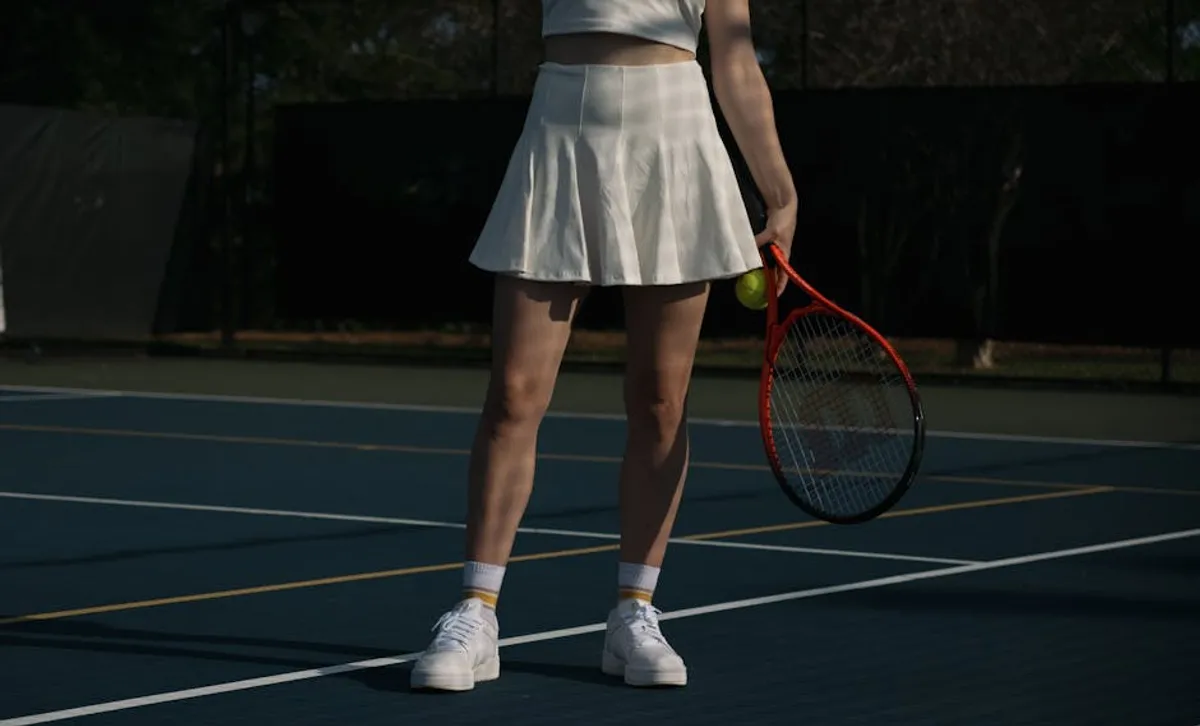
Stepping onto a tennis court for the first time involves more than just a racket and a can of balls. The right apparel significantly impacts comfort, performance, and even injury prevention, especially for beginners still developing their footwork and strokes. Choosing appropriate gear isn't about fashion; it's about functionality, allowing you to move freely, manage sweat effectively, and focus on learning the game without distraction. Understanding the specific demands of tennis on your body will guide your apparel choices, ensuring your initial experiences are positive and encourage continued play.
Understanding Core Apparel Needs
Shirts and Tops
For tennis, your top needs to manage moisture and allow unrestricted arm movement. Synthetic fabrics like polyester or blends with spandex are crucial. These materials are engineered to wick sweat away from your skin, promoting evaporation and keeping you drier than cotton, which absorbs moisture and stays heavy. Look for a fit that is neither too tight nor too baggy. A snug fit can restrict powerful serves or overheads, while excessive fabric can snag or become a distraction. Options include classic polo shirts, crew-neck tees, and sleeveless tanks, each offering varying levels of coverage and ventilation. Polo shirts often provide a slightly more structured look, while crew necks and tanks prioritize maximum freedom of movement.
Best for: Moisture management and full range of motion.
Shorts, Skirts, and Dresses
Bottoms for tennis require flexibility and practical features. Shorts for men and women, skirts for women, and tennis dresses all incorporate features designed for dynamic court movement. Integrated compression shorts are a common and beneficial feature in many skirts and dresses, providing support and a convenient place to tuck tennis balls without them bouncing around during play. Pockets in shorts should be deep enough to securely hold a tennis ball without it falling out during sprints or lunges. Fabric choices mirror tops: lightweight, moisture-wicking synthetics with a degree of stretch are paramount. The cut should allow for deep knee bends, lateral slides, and quick pivots without resistance.
Key features: Integrated ball storage, flexible fabric, unrestricted movement.
Footwear: The Foundation
Tennis shoes are arguably the most critical piece of equipment after the racket itself. Unlike running shoes designed for forward motion, tennis shoes are built to support explosive lateral movements, quick stops, and sudden changes in direction. They feature reinforced sides for stability during slides, durable outsoles specific to court surfaces (hard court, clay, grass), and often a flatter profile for better ground contact. Adequate cushioning absorbs impact from jumps and landings, while a non-marking sole protects court surfaces. Wearing running shoes or cross-trainers for tennis significantly increases the risk of ankle sprains and knee injuries due to insufficient lateral support.
Essential for: Lateral stability, impact absorption, injury prevention.
Socks: Often Overlooked
While seemingly minor, the right socks prevent blisters and enhance comfort. Avoid cotton socks, which retain moisture and can lead to friction and hot spots. Opt for athletic socks made from synthetic blends (polyester, nylon, spandex) that wick sweat away. Look for socks with targeted cushioning in high-impact areas like the heel and ball of the foot, and arch support. Different lengths are available, from no-show to crew, but the primary function remains moisture management and friction reduction.
Crucial for: Blister prevention, moisture control, foot comfort.
Essential Accessories for the Court
Headwear
Sun protection and sweat management are the primary roles of headwear in tennis. Visors offer shade for the eyes while allowing heat to escape from the top of the head. Caps provide more comprehensive sun protection for the face and scalp. Headbands are effective at absorbing sweat from the forehead, preventing it from dripping into the eyes, which can be a significant distraction during play. All options should be lightweight and made from breathable, moisture-wicking materials.
Wristbands
Wristbands serve a singular, important purpose: absorbing sweat. They prevent sweat from running down your arms onto your hands, which can make your grip on the racket slippery and uncomfortable. Terry cloth or similar absorbent materials are standard.
Outerwear (for cooler weather/warm-ups)
For early morning matches, cooler evenings, or simply warming up, lightweight jackets and track pants are useful. These pieces should offer enough warmth without restricting movement. Look for breathable, flexible fabrics that can be easily shed once your body temperature rises. Zippers on pant legs can be convenient for quick removal over shoes.
Material Matters: What to Look For
The fabric composition of your tennis apparel directly influences its performance characteristics. Polyester and nylon are staples due to their inherent moisture-wicking properties, durability, and resistance to shrinking or stretching. Spandex (or elastane/Lycra) is often blended in to provide stretch, offering enhanced freedom of movement and a more adaptive fit. These synthetic blends move sweat from your skin to the fabric's outer surface, where it can evaporate quickly. This process keeps you dry, cool, and comfortable throughout your match or practice session. Mesh panels are frequently incorporated into designs to boost ventilation in high-heat areas like the back or underarms, further aiding temperature regulation.
Pro Tip: Never wear cotton for active tennis play. Cotton absorbs sweat like a sponge, becoming heavy, damp, and prone to chafing. This not only makes you uncomfortable but also significantly increases the risk of skin irritation and blisters, detracting from your focus and enjoyment on the court. Always prioritize synthetic, moisture-wicking fabrics.
Fit and Function: Prioritizing Movement
The fit of tennis apparel is not just about aesthetics; it's fundamental to performance. Clothing that is too tight can restrict blood flow and impede the full range of motion required for powerful strokes and dynamic footwork. Conversely, overly loose clothing can snag, create drag, or become a nuisance, requiring constant adjustment. The ideal fit strikes a balance: it should be comfortable against the skin, allow for complete freedom in all directions—up, down, and laterally—and stay in place during intense activity. Pay attention to how the fabric stretches and recovers, ensuring it moves with your body rather than against it. Test movements like serving, overheads, and lunges when trying on new gear to confirm unhindered mobility.
Building Your Beginner Tennis Wardrobe
Starting your tennis journey doesn't require an immediate overhaul of your entire athletic wardrobe. Begin with a few essential, high-quality pieces that prioritize function. Consider the climate you'll be playing in and how frequently you plan to be on court. For most beginners, a core set of items will suffice:
- 1-2 moisture-wicking tops (polo, crew neck, or tank)
- 1 pair of tennis-specific shorts, skirt, or a tennis dress
- 1 pair of tennis shoes (court-specific)
- 2-3 pairs of moisture-wicking athletic socks
- 1 piece of headwear (visor or cap)
- 1 pair of wristbands
As you progress and play more frequently, you can expand your collection, adding more variety in styles and specialized items for different weather conditions.
Stepping Onto the Court Prepared
Investing in proper tennis apparel is an investment in your comfort, performance, and overall enjoyment of the sport. While it might seem like a minor detail, the right clothing and footwear provide a tangible advantage, allowing you to move without restriction, manage sweat effectively, and reduce the risk of common beginner injuries. Focus on functionality, material quality, and a fit that supports dynamic movement. Approaching your first lessons or matches with appropriate gear ensures you can concentrate on learning the game's fundamentals, building confidence, and developing a lasting passion for tennis.
Frequently Asked Questions
What is the most important piece of tennis apparel for a beginner?
Tennis-specific shoes are the most critical item. They provide essential lateral support and cushioning necessary for the unique movements of tennis, significantly reducing the risk of ankle and knee injuries compared to standard running shoes.
Can I wear regular athletic shorts or a T-shirt for tennis?
While you can start with regular athletic shorts and T-shirts, prioritize those made from moisture-wicking synthetic fabrics. Cotton athletic wear will quickly become heavy and uncomfortable due to sweat retention. Ensure shorts have pockets for tennis ball storage.
How many tennis outfits do I need to start?
For a beginner, having 1-2 complete outfits (top, bottom, socks) is generally sufficient for regular play. You can rotate these items between washing, ensuring you always have clean, functional gear ready for the court.
Why is cotton not recommended for tennis apparel?
Cotton absorbs and holds moisture, making it heavy and damp against the skin. This leads to discomfort, chafing, and a feeling of being weighed down during active play, hindering performance and increasing the likelihood of skin irritation.