Selecting workout clothes that fit correctly extends beyond aesthetics; it directly influences performance, comfort, and garment longevity. Ill-fitting apparel can restrict movement, cause chafing, or fail to provide adequate support, ultimately detracting from your training experience. This guide provides a practical framework for understanding sizing nuances, taking accurate measurements, and assessing fit across various garment types, ensuring your athletic wear enhances, rather than hinders, your physical activity.
Understanding the Basics of Workout Apparel Sizing
Workout apparel sizing is not universally standardized. While many brands adhere to general S, M, L conventions, the precise measurements corresponding to these labels can vary significantly. A 'medium' from one manufacturer might equate to a 'small' or 'large' from another, particularly across different regions or product lines.
Standard Sizing vs. Brand Specifics
Relying solely on your usual street clothes size can lead to fit discrepancies in performance wear. Athletic garments are often designed with specific functionalities in mind, such as compression, moisture-wicking, or extreme flexibility, which dictate their cut and material composition. Always consult the specific sizing chart provided by the brand for the item you intend to purchase. These charts typically include numerical measurements (e.g., chest circumference in inches or centimeters) alongside letter sizes, offering a more precise reference point. Always consult the specific sizing chart provided by the brand for the item you intend to purchase, helping you avoid common workout clothes mistakes.
Taking Accurate Body Measurements
Before consulting any sizing chart, obtain your current body measurements. Use a flexible tape measure and ensure it lies flat against your skin without digging in or being too loose. For best accuracy, have someone assist you, especially for back measurements.
- Chest: Measure around the fullest part of your bust, keeping the tape measure level across your back and under your arms.
- Waist: Measure around your natural waistline, typically the narrowest part of your torso, just above your belly button.
- Hips: Measure around the fullest part of your hips and buttocks, ensuring the tape measure is level.
- Inseam: Measure from the top of your inner thigh down to your ankle bone. This is crucial for pants and leggings.
- Arm Length: Measure from the center of the back of your neck, across your shoulder, and down to your wrist bone, with your arm slightly bent.
Fabric Technology and Its Impact on Fit
The material composition of workout clothes plays a critical role in how a garment fits and performs. Different fabrics offer distinct properties that influence stretch, compression, and overall comfort.
Compression Garments: Purpose and Fit
Compression wear is designed to fit snugly, applying graduated pressure to muscles. This is intended to improve blood circulation, reduce muscle vibration, and potentially aid in recovery. A proper compression fit should feel like a second skin – tight but not restrictive or painful. Overly tight compression can impede circulation, while too loose offers no benefit. Look for even pressure distribution without pinching or bunching.
Stretch and Mobility: The Role of Elastane
Fabrics containing elastane (Lycra or Spandex) provide significant stretch and recovery, essential for garments requiring a full range of motion. A well-fitting stretchy item should move with your body during dynamic exercises without feeling constrained. The garment should return to its original shape after stretching, indicating good fabric recovery. If it sags or stretches out permanently after a few movements, the fit or fabric quality may be compromised.
Breathability and Wicking: How Fabric Moves with You
Moisture-wicking fabrics are engineered to draw sweat away from the skin to the fabric's outer surface, where it can evaporate. For these properties to function optimally, the garment needs to be in close contact with the skin without being uncomfortably tight. A fit that is too baggy may prevent effective wicking, leaving moisture trapped against the skin.
Achieving the Right Fit for Specific Garments
Tops: From Base Layers to Outerwear
Base Layers (T-shirts, Tanks): These should fit close to the body to effectively wick moisture. Ensure full range of motion in the shoulders and arms. Avoid excessive fabric bunching under the armpits or around the waist, which can cause chafing.
Mid-Layers (Hoodies, Jackets): Designed for warmth, these can have a slightly looser fit to accommodate base layers. Check that sleeves are long enough to cover wrists during movement and that the hem doesn't ride up excessively when arms are raised.
Bottoms: Leggings, Shorts, and Joggers
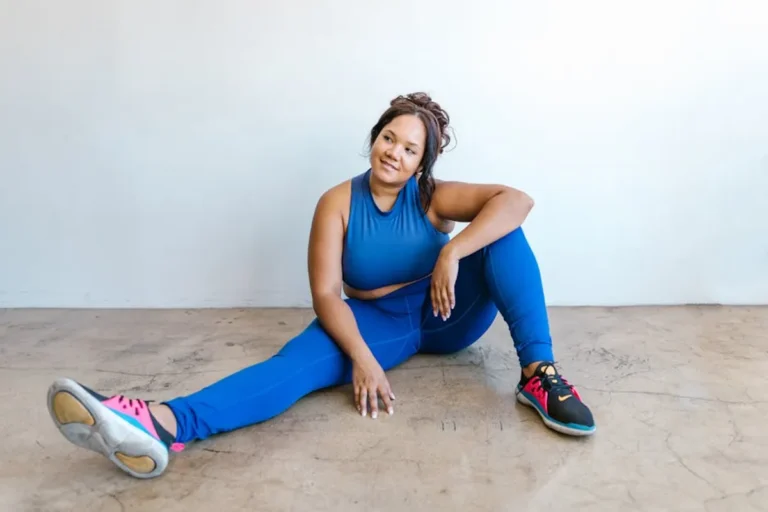
Leggings: A good fit means no gaping at the waistband, no excessive fabric pooling at the ankles (unless designed for it), and opaque coverage during deep squats or bends. The fabric should feel supportive around the thighs and glutes without being constricting.
Shorts: Consider the inseam length based on your activity. Running shorts often have shorter inseams for unrestricted movement, while training shorts may be longer. Ensure the waistband stays put without needing constant adjustment.
Joggers: Typically offer a relaxed fit through the hip and thigh, tapering at the ankle. Look for a comfortable waistband that doesn't dig in and sufficient length for your legs.
Sports Bras: Support and Comfort
The sports bra is arguably the most critical piece of workout apparel for many. A proper fit ensures adequate support, minimizing breast movement and preventing discomfort or potential tissue damage. The band, straps, and cups are key components:
Pro Tip: The majority of a sports bra's support comes from the band, not the straps. Ensure the band is snug and level around your rib cage, not riding up in the back. You should be able to fit only one or two fingers comfortably under the band.
Band: Should be firm and level around your torso, not digging in or riding up.
Straps: Should be secure but not digging into your shoulders. They primarily help hold the cups in place.
Cups: Your breasts should be fully enclosed without spilling out the top, sides, or bottom. There should be no gaping or wrinkling in the fabric, which indicates the cup is too large.
Practical Fit Assessment Techniques
Once you've tried on an item, perform a series of movements to simulate your intended activity. This dynamic assessment is more revealing than a static mirror check.
The Movement Test
Perform key movements relevant to your workout:
- Squats and Lunges: Check for opacity in leggings and shorts, and ensure the waistband stays in place.
- Arm Raises and Rotations: Verify full range of motion in tops and jackets without the hem riding up excessively or sleeves becoming restrictive.
- Bending and Twisting: Assess how the fabric moves with your body and if any seams cause discomfort.
- Jumping Jacks or Running in Place: For sports bras, observe the level of support and bounce control.
Seam and Fabric Checks
Run your hands over the seams, especially in high-friction areas like the inner thighs or underarms. Flatlock seams are generally preferred for comfort as they reduce chafing. Inspect the fabric for any signs of strain or sheerness when stretched, particularly in lighter colors or thinner materials.
Avoiding Common Sizing Pitfalls
Many individuals default to their street clothing size, which often differs from performance wear. Another common mistake is prioritizing aesthetics over functionality, choosing a size that looks good but restricts movement or lacks support. Remember that sizing can also vary significantly even within the same brand, especially between different collections or fabric types. Always re-measure and check sizing charts for each new purchase.
Maximizing Your Workout Apparel Investment
Investing time in understanding proper fit ensures your workout apparel performs as intended, providing comfort, support, and durability through countless training sessions. A well-fitting garment not only enhances your physical performance but also boosts confidence, making your commitment to fitness more enjoyable and sustainable. Prioritize function and fit over arbitrary size labels, and you'll build a wardrobe that truly supports your athletic endeavors.
Frequently Asked Questions
Should I size up or down if I'm between sizes?
Generally, for compression or performance-oriented items, consider sizing down if you prefer a snug, supportive fit, but ensure it's not restrictive. For more relaxed items or if comfort is paramount, sizing up might be better. Always refer to the brand's specific size chart and consider your activity.
How do I know if my sports bra fits correctly?
The band should be snug and level around your rib cage, providing most of the support. The cups should fully encapsulate your breasts without spillage or gaping. The straps should be comfortable and not digging into your shoulders.
What does "true to size" mean for workout clothes?
"True to size" implies that a garment fits according to standard industry measurements for its stated size. However, given the variability across brands and product types, it's always safest to consult the specific sizing chart and your own body measurements rather than relying solely on this general descriptor.