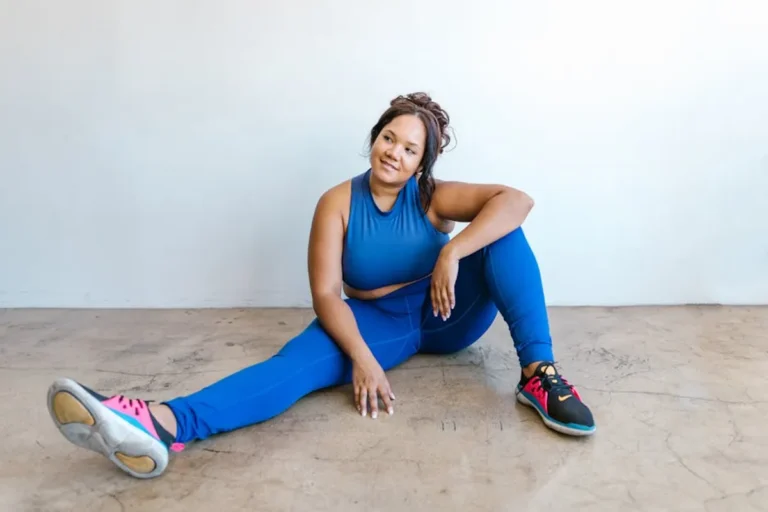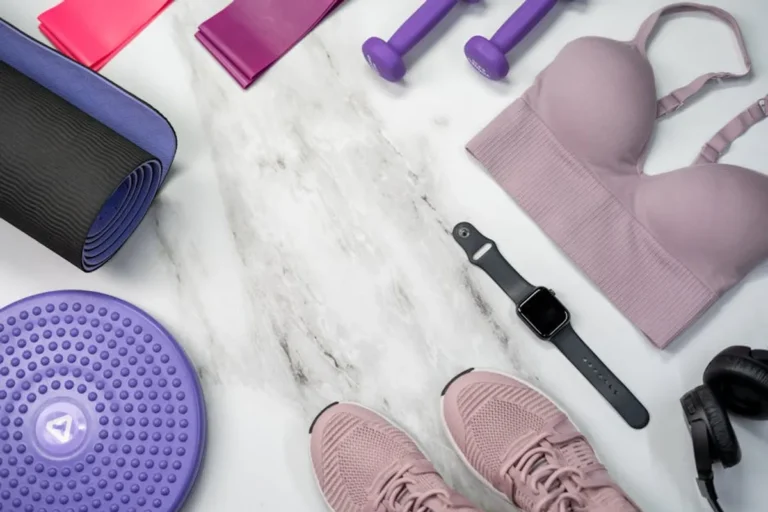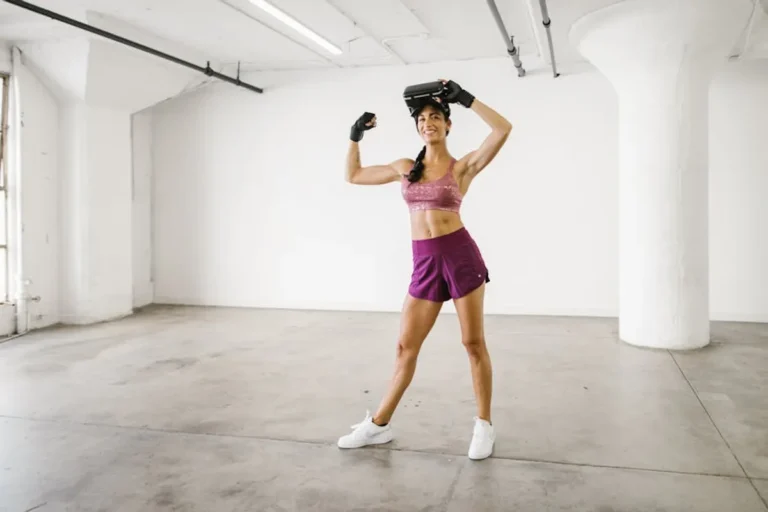
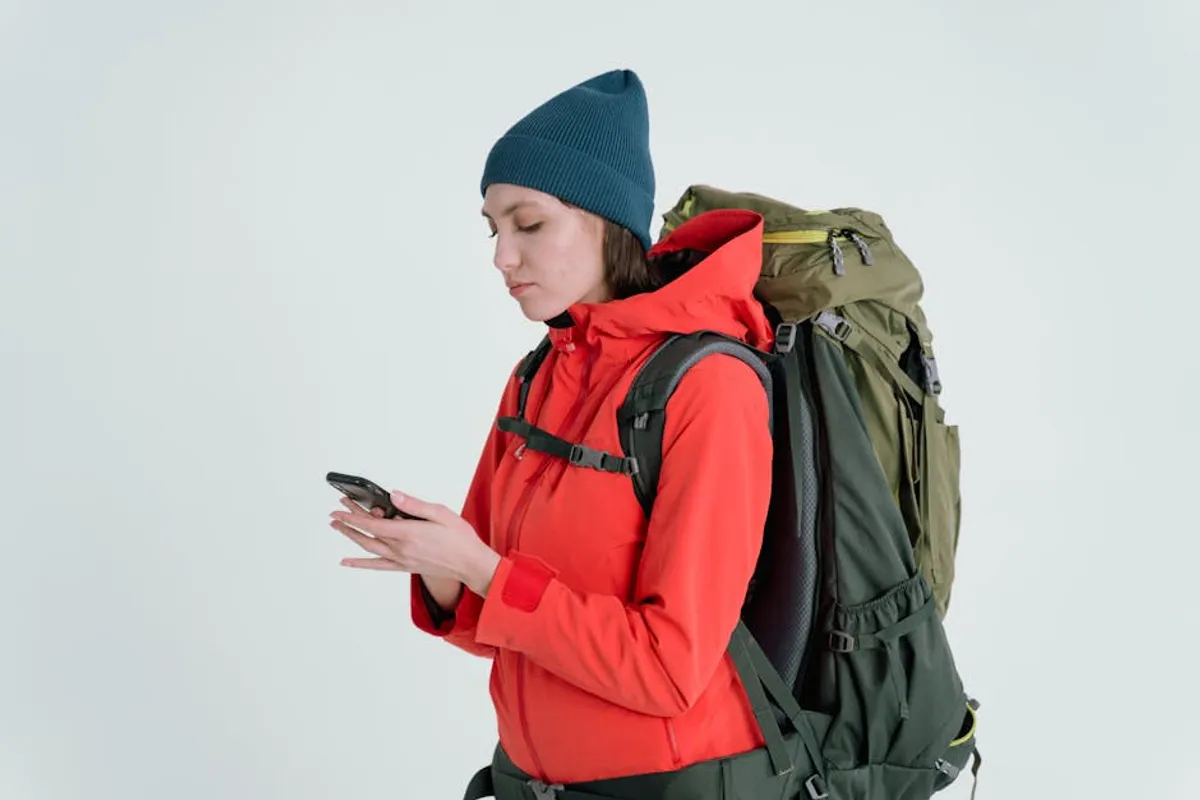
Selecting outdoor sportswear that performs equally well during a strenuous training session and for comfortable everyday use requires a discerning eye for material science, construction, and design versatility. The ideal pieces transcend single-purpose utility, offering features like advanced moisture management, weather resistance, and unrestricted mobility, all while maintaining an aesthetic suitable for varied social contexts. This guide focuses on brands and specific product lines that consistently deliver on this dual promise, providing the technical capabilities necessary for active outdoor pursuits alongside the durability and comfort essential for daily wear. This guide focuses on brands and specific product lines that consistently deliver on this dual promise, providing the technical capabilities necessary for active outd and a comprehensive overview in our outdoor sportswear buyer guide.
How to Choose Versatile Outdoor Sportswear
Identifying sportswear that excels in both performance and casual settings involves evaluating several key attributes beyond initial appearance. Prioritize materials, construction, fit, and adaptability to ensure your investment serves multiple needs.
Material Science: The foundation of versatile sportswear lies in its fabric composition. Technical synthetics like polyester, nylon, and spandex blends offer superior moisture-wicking, quick-drying properties, and abrasion resistance, crucial for high-output activities. Look for treatments like DWR (Durable Water Repellent) for enhanced weather protection. Natural fibers, particularly merino wool, provide excellent temperature regulation, odor resistance, and a softer hand feel, making them suitable for both active and casual wear. Cotton blends can offer comfort but may not be ideal for intense training due to slower drying times.
Layering Potential: The ability to adapt to changing conditions is paramount. Consider how a garment functions as part of a layering system. Base layers should manage moisture, mid-layers provide insulation, and outer layers offer protection from wind and rain. Pieces designed for versatility often integrate well into different layers, such as a technical fleece that can be worn as a standalone jacket or under a shell.
Fit and Mobility: A garment’s fit directly impacts both performance and comfort. For training, an athletic cut that allows full range of motion without excess bulk is critical. For everyday use, a more relaxed but still tailored fit often translates better. Look for articulated knees or elbows, gusseted crotches, and stretch fabrics that accommodate movement without restriction. The garment should move with you, not against you. The garment should move with you, not against you, and considering the right training accessories can further enhance your performance.
Durability and Construction: Versatile sportswear must withstand frequent use and varied environments. Examine stitching quality, reinforced stress points, and robust hardware like zippers and snaps. Flatlock seams prevent chafing during activity, while durable face fabrics resist snags and tears. Longevity is a key indicator of value when a single item is expected to perform across multiple scenarios.
Weather Resistance: While not every piece needs to be fully waterproof, a degree of weather resistance significantly enhances versatility. Water-resistant finishes, wind-blocking fabrics, and breathable membranes protect against light rain and wind without causing overheating. This allows for seamless transitions between indoor and outdoor activities, or unexpected shifts in weather.
Aesthetics and Versatility: The visual design determines a garment’s suitability for different contexts. Look for clean lines, subtle branding, and neutral color palettes that can be dressed up or down. Performance features should be integrated discreetly, avoiding an overly technical appearance that might feel out of place in casual settings. The goal is a piece that looks intentional whether you’re on the trail or in a cafe.
1. Patagonia
Patagonia has established itself as a benchmark for outdoor apparel, blending high-performance technical features with a strong commitment to environmental responsibility. Their sportswear often features robust construction and innovative materials designed for demanding conditions, yet maintains a classic, understated aesthetic that integrates seamlessly into daily life. Their focus on durability means garments are built to last, reducing the need for frequent replacement.
Best for: Individuals prioritizing durable, ethically produced gear for a wide range of outdoor activities, from climbing to hiking, that also serves as reliable casual wear.
Pros: Exceptional durability and repairability; strong environmental and social responsibility initiatives; timeless designs that resist fleeting trends; effective moisture management and insulation across various product lines; extensive product range from base layers to technical shells.
Cons: Premium price point can be a barrier for some consumers; some technical pieces may have a distinctly outdoor-oriented look that isn't universally casual; sizing can be inconsistent across different product families.
Verdict: Patagonia offers a compelling proposition for those seeking long-term value and versatility, delivering gear that performs reliably in the field while offering a respectable and comfortable option for everyday use, all backed by a strong ethical stance.
2. Arc'teryx
Arc'teryx represents the pinnacle of technical design and material engineering in outdoor apparel. Known for its minimalist aesthetic and precision craftsmanship, the brand produces garments that excel in extreme conditions but also feature a sleek, modern look suitable for urban environments. Their focus on ergonomic patterning and advanced fabric technologies results in unparalleled freedom of movement and weather protection, making many pieces highly adaptable.
Best for: Performance-driven individuals seeking technically advanced, lightweight, and highly durable gear for alpine sports, trail running, and urban exploration.
Pros: Industry-leading GORE-TEX and proprietary fabric integration; exceptional fit and articulation for unrestricted movement; minimalist design with clean lines and subtle branding; outstanding weather protection and breathability; high-quality construction with meticulous attention to detail.
Cons: Highest price point among outdoor brands; technical aesthetic might not appeal to all casual wearers; limited range of "everyday" specific items, with most products leaning heavily towards performance.
Verdict: Arc'teryx delivers uncompromising performance and sophisticated design, making it an excellent choice for those who value cutting-edge technology and a refined, functional aesthetic that transitions from mountain to city with ease, provided the budget allows.
3. Outdoor Research
Outdoor Research (OR) offers a practical and reliable range of outdoor apparel known for its functionality and value. The brand focuses on creating gear that solves specific problems encountered in the outdoors, often incorporating innovative features and durable materials. Many OR pieces strike a balance between technical performance and understated design, making them suitable for both active pursuits and relaxed daily wear without appearing overly specialized.
Best for: Enthusiasts seeking dependable, feature-rich outdoor gear that offers strong performance and versatility without the highest premium price tag.
Pros: Excellent value for performance; strong focus on functional features like ample pocketing and adjustable elements; durable construction suitable for rugged use; good range of waterproof, insulated, and breathable options; often incorporates stretch fabrics for comfort.
Cons: Aesthetic can sometimes lean more utilitarian than fashion-forward; some items may feel slightly bulkier compared to ultralight competitors; branding can be more prominent on certain pieces.
Verdict: Outdoor Research provides a solid foundation for a versatile outdoor wardrobe, offering reliable performance and thoughtful design at a more accessible price point, making it a strong contender for everyday adventurers.
4. Columbia
Columbia is a widely recognized brand offering accessible outdoor apparel and footwear. Their strength lies in providing a broad range of products that incorporate proprietary technologies like Omni-Tech for waterproofing and Omni-Heat for thermal reflection, all at a competitive price. While some lines are overtly technical, many pieces are designed with a more casual fit and appearance, making them popular for general outdoor activities and daily wear.
Best for: Consumers looking for functional, affordable outdoor clothing for light to moderate activities and everyday comfort, especially those prioritizing value.
Pros: Accessible price point; wide availability; proprietary technologies offer effective weather protection and warmth; diverse product range catering to various climates and activities; generally comfortable and relaxed fits.
Cons: Durability can vary across product lines; aesthetic often leans more mainstream casual than technical or minimalist; some materials may feel less premium compared to higher-end brands.
Verdict: Columbia serves as a practical entry point into versatile outdoor sportswear, delivering reliable protection and comfort for everyday adventures and casual use without significant financial outlay.
5. The North Face
The North Face holds a strong presence in both performance outdoor gear and urban fashion. Renowned for its expedition-grade equipment, the brand has successfully translated its technical expertise into a range of apparel that is equally at home on a mountain trail or city street. Their products often feature durable fabrics, effective insulation, and weather protection, combined with a recognizable brand aesthetic that appeals to a broad demographic.
Best for: Individuals seeking a balance of proven outdoor performance and a widely accepted, stylish urban aesthetic for cold weather and general outdoor activities.
Pros: Strong brand recognition and established reputation for quality; effective insulation and weather protection technologies; wide variety of styles from highly technical to lifestyle-oriented; good resale value; often incorporates recycled materials.
Cons: Some items can be heavily branded, which may not suit all preferences; certain popular pieces are frequently imitated; pricing is mid-to-high range for many technical items.
Verdict: The North Face offers a compelling blend of genuine outdoor capability and pervasive style, making it a versatile choice for those who demand performance in the wild and a recognizable look in daily life.
6. Salomon
Salomon, primarily known for its trail running and winter sports equipment, has expanded its apparel lines with a focus on dynamic performance and lightweight design. Their clothing often features athletic cuts, advanced moisture management, and stretch fabrics, optimized for movement. While highly technical, many Salomon pieces have a sleek, modern appearance that translates well into an active casual wardrobe, particularly for those with an athletic build.
Best for: Trail runners, hikers, and active individuals who prioritize lightweight, movement-oriented apparel with a contemporary, athletic aesthetic for both training and casual wear.
Pros: Excellent for high-output activities due to superior breathability and moisture-wicking; lightweight construction and packability; ergonomic designs for unrestricted movement; modern, athletic styling; strong reputation for footwear integration.
Cons: Fit can be very athletic and slim, potentially not suiting all body types for casual wear; some designs are overtly technical; not as focused on extreme weather protection as some other brands for general outdoor use.
Verdict: Salomon excels in providing dynamic, lightweight sportswear that supports agile movement during training and offers a sharp, active look for everyday wear, particularly for those with a strong athletic inclination.
7. Vuori
Vuori has rapidly gained popularity by bridging the gap between athletic performance and everyday comfort. Their apparel is characterized by exceptionally soft, proprietary performance fabrics that offer four-way stretch, moisture-wicking, and quick-drying properties. The aesthetic is clean, minimalist, and California-inspired, making their pieces highly versatile for workouts, travel, and casual social settings without looking overly technical.
Best for: Individuals seeking premium comfort and a relaxed, athletic aesthetic for yoga, light training, travel, and general daily wear.
Pros: Incredibly soft and comfortable fabrics; excellent stretch and freedom of movement; clean, versatile designs that easily transition from gym to street; good moisture management and quick-drying properties; strong focus on sustainability in production.
Cons: Higher price point for what is often considered "athleisure"; less suited for extreme weather or highly technical outdoor pursuits; limited range of heavy-duty outerwear.
Verdict: Vuori redefines versatile sportswear with its emphasis on luxurious comfort and understated style, making it an outstanding choice for those who value soft, functional fabrics and a relaxed, active look for daily life and moderate activity.
8. Lululemon
Lululemon, a leader in athletic apparel, has expanded beyond yoga wear to offer a comprehensive range of clothing designed for various training disciplines and everyday life. Their products are known for innovative fabrics, precise fits, and a sophisticated, often minimalist, aesthetic. While many pieces are engineered for specific workouts, their clean lines and premium feel make them highly adaptable for casual wear, travel, and even smart-casual occasions.
Best for: Individuals who prioritize premium feel, tailored fit, and a refined athletic aesthetic for gym workouts, studio classes, and elevated casual wear.
Pros: High-quality, proprietary fabrics with excellent stretch and comfort; precise, flattering fits; sophisticated, minimalist designs suitable for multiple settings; strong community and brand loyalty; effective moisture-wicking and breathability.
Cons: Premium pricing; some designs are very specific to studio workouts; less emphasis on rugged outdoor durability or extreme weather protection compared to traditional outdoor brands.
Verdict: Lululemon provides a polished and comfortable option for those who want their training gear to seamlessly integrate into a chic, active lifestyle, offering a premium experience both during and after workouts.
9. Nike (ACG line)
Nike's All Conditions Gear (ACG) line stands apart from its core athletic offerings, specifically designed for outdoor performance with a distinct aesthetic. ACG blends Nike's sportswear innovation with rugged functionality, featuring durable materials, weather-resistant treatments, and thoughtful design details for hiking, trail running, and general outdoor exploration. The collection often incorporates bold colors and unique silhouettes, making it recognizable and fashionable for everyday wear.
Best for: Urban explorers and outdoor enthusiasts who appreciate a blend of technical performance, street-ready style, and distinct design for varied conditions.
Pros: Innovative design and material choices; strong weather resistance and durability for outdoor use; unique, fashion-forward aesthetic; comfortable fits for active movement; often incorporates recycled materials.
Cons: Limited availability compared to Nike's main lines; pricing can be higher than core Nike products; some designs are quite specific and might not appeal to all tastes for casual wear.
Verdict: Nike ACG offers a compelling fusion of technical outdoor capability and contemporary street style, making it an excellent choice for those who want their sportswear to perform in nature and stand out in the city.
10. Adidas (Terrex line)
Adidas Terrex represents the brand's dedicated outdoor segment, focusing on high-performance gear for trail running, hiking, climbing, and mountain biking. Terrex apparel integrates advanced Adidas technologies, such as Primegreen recycled fabrics and GORE-TEX, with an athletic, functional design. The aesthetic is often sleek and modern, reflecting its performance orientation, yet many pieces are designed with enough versatility to be worn comfortably in casual, active settings.
Best for: Athletes and outdoor enthusiasts seeking technically advanced, lightweight gear for demanding activities, with a contemporary, performance-oriented look for daily wear.
Pros: Strong integration of advanced performance technologies (e.g., GORE-TEX, Primegreen); lightweight and breathable designs for high-output activities; durable construction for outdoor use; modern, athletic styling; good range of footwear and apparel integration.
Cons: Fit can be very athletic and slim, limiting casual appeal for some; designs are often overtly technical; less focus on heavy insulation for extreme cold compared to some specialized brands.
Verdict: Adidas Terrex provides a robust solution for active individuals who demand high-level performance from their outdoor gear and appreciate a sleek, athletic aesthetic that transitions effectively into everyday life.
11. Smartwool
Smartwool specializes in merino wool apparel, leveraging the natural fiber's inherent properties for exceptional comfort and performance. Their products range from base layers and socks to mid-layers and outerwear, all designed to regulate temperature, manage moisture, and resist odor. The soft feel and natural drape of merino wool make Smartwool garments particularly well-suited for both active use in varying conditions and comfortable, unrestrictive everyday wear.
Best for: Individuals prioritizing natural fiber comfort, superior temperature regulation, and odor resistance for multi-day trips, cold weather training, and comfortable casual wear.
Pros: Excellent temperature regulation (warm in cold, cool in warm); naturally odor-resistant; soft and comfortable against the skin; good moisture management; durable for a natural fiber; versatile across seasons.
Cons: Higher price point than synthetic alternatives; requires specific care (e.g., cold wash, lay flat to dry); can be less abrasion-resistant than some synthetic blends for very rugged use.
Verdict: Smartwool offers unparalleled comfort and natural performance, making its merino wool apparel an ideal choice for those who value natural fibers for their versatility in temperature regulation and ability to transition effortlessly between activity and relaxation.
12. Fjallraven
Fjallraven, a Swedish outdoor brand, is renowned for its durable, functional, and timeless designs. Their apparel often features G-1000 fabric, a tightly woven blend of polyester and cotton that can be waxed for enhanced water and wind resistance, providing exceptional durability. While primarily focused on trekking and outdoor life, the brand's classic silhouettes and robust construction have a distinct, rugged aesthetic that works well for everyday casual wear, embodying a sense of enduring utility.
Best for: Outdoor enthusiasts who value extreme durability, classic Scandinavian design, and versatile gear that excels in rugged environments and offers a distinct, heritage look for daily wear.
Pros: Exceptional durability and longevity; G-1000 fabric offers adaptable weather resistance; classic, understated designs with a timeless appeal; strong focus on functional details like robust pockets; commitment to sustainability.
Cons: Fabrics can be heavier and less breathable than modern synthetics for high-output training; higher price point; aesthetic is distinctly traditional outdoor, not universally modern or athletic.
Verdict: Fjallraven provides extremely robust and functional outdoor sportswear with a classic, enduring aesthetic, ideal for those who prioritize long-term durability and a heritage outdoor look for both demanding adventures and daily life.
Selecting Your Ideal Outdoor Sportswear
Choosing the right outdoor sportswear for both training and everyday use ultimately depends on your specific activities, local climate, and personal style preferences. Consider the frequency and intensity of your training, the typical weather conditions you encounter, and how important aesthetic integration into your daily wardrobe is. Prioritize garments that offer a balance of technical features—like moisture-wicking and weather resistance—with comfort, durability, and a versatile design. Trying on apparel to assess fit and range of motion is crucial, as is evaluating the brand's commitment to quality and sustainability. Investing in fewer, higher-quality, and truly versatile pieces often proves more cost-effective and functional in the long run.
Frequently Asked Questions
What materials are best for moisture-wicking in outdoor sportswear?
Polyester and nylon blends are highly effective for moisture-wicking due to their synthetic fibers that draw sweat away from the skin to the fabric surface for evaporation. Merino wool also offers excellent moisture management, absorbing moisture without feeling wet and regulating temperature effectively.
How do I layer for different outdoor conditions with versatile sportswear?
A three-layer system is often recommended: a base layer (merino wool or synthetic) for moisture-wicking, a mid-layer (fleece or synthetic insulation) for warmth, and an outer layer (waterproof/windproof shell) for protection from the elements. Versatile pieces can often serve as a standalone outer layer in mild conditions or integrate into this system.
Is waterproof necessary for everyday use?
Full waterproofing isn't always necessary for everyday use, but water resistance (often achieved with a DWR coating) is highly beneficial. It protects against light rain and splashes, enhancing comfort and versatility without the potential for reduced breathability that full waterproofing can sometimes entail.
What's the key difference between "training" and "everyday" sportswear?
"Training" sportswear prioritizes technical performance features like advanced moisture management, maximum breathability, and unrestricted movement. "Everyday" sportswear focuses more on comfort, durability, and aesthetic appeal for casual settings. Versatile sportswear effectively blends these priorities.
How do I care for technical outdoor apparel to maintain its performance?
Always follow the garment's specific care label. Generally, wash technical apparel with a specialized technical wash detergent (not conventional detergents, which can leave residues that impair performance) on a cold, gentle cycle. Avoid fabric softeners and tumble dry on low or air dry to preserve DWR coatings and fabric integrity.