Selecting compression gear requires understanding its functional purpose beyond basic athletic apparel. Compression garments are engineered to apply specific, controlled pressure to muscles, influencing blood flow, reducing muscle oscillation, and supporting recovery processes. This guide outlines the critical factors to evaluate when investing in compression wear, ensuring your choice aligns with your activity, performance goals, and comfort requirements. This guide outlines the critical factors to evaluate when investing in compression wear, ensuring your choice aligns with your activity, performance goals, and comfort requirements, much like when choosing general athletic apparel and workout clothes.
Understanding Compression Levels and Fabric Technology
The effectiveness of compression gear largely hinges on two primary elements: the level of compression applied and the material composition. Compression is typically measured in millimeters of mercury (mmHg), similar to blood pressure readings, though many consumer-grade products do not explicitly state this value. Instead, they often describe the garment’s feel as light, medium, or firm.
- Graduated Compression: This design applies the highest pressure furthest from the heart, gradually decreasing it as it moves upwards. For example, compression socks for running typically have tighter compression at the ankle that lessens towards the calf. This promotes venous return, aiding circulation and reducing swelling.
- Uniform Compression: Some garments apply consistent pressure across the entire area. This is often seen in compression shorts or tops, aiming for muscle support and reduced vibration during activity.
Fabric technology plays a crucial role in both comfort and performance. Modern compression garments utilize synthetic blends, primarily polyester, nylon, and spandex (elastane), for their specific properties:
- Moisture-Wicking: These fabrics draw sweat away from the skin to the outer surface of the garment, where it can evaporate more quickly. This keeps the wearer dry and comfortable, preventing chafing and maintaining body temperature.
- Breathability: Tightly woven yet porous fabrics allow air circulation, which is essential for thermal regulation, especially during intense exercise.
- Durability and Stretch Retention: The inclusion of spandex provides the necessary elasticity for a snug fit that maintains its shape and compression level over time and through repeated washes. High-quality blends resist pilling and degradation.
- Antimicrobial Properties: Some fabrics are treated or woven with antimicrobial agents (e.g., silver ions) to inhibit bacterial growth, reducing odor and maintaining hygiene during prolonged use.
Fit and Sizing: The Foundation of Efficacy
Correct fit is paramount for compression gear to deliver its intended benefits. A garment that is too loose will not provide adequate compression, rendering it ineffective. Conversely, gear that is too tight can restrict movement, cause discomfort, or even impede circulation, negating any potential advantages. Manufacturers provide specific sizing charts that often differ from standard apparel sizes, requiring precise body measurements.
Pro Tip: Always consult the manufacturer's specific sizing chart. Measure yourself accurately (e.g., calf circumference, thigh circumference, chest, waist) and compare these to the chart. Do not assume your regular clothing size will translate directly to compression wear, as the fit is designed for functional pressure, not just coverage.
Key fit considerations include:
- No Bunching or Gapping: The fabric should lie smoothly against the skin without wrinkles or excess material.
- Freedom of Movement: While snug, the garment should not restrict your range of motion during your intended activity.
- Comfortable Pressure: You should feel a firm, supportive squeeze, but never pain, numbness, or tingling.
- Seam Construction: Flatlock seams are common in high-quality compression gear. These seams lie flat against the skin, minimizing friction and preventing chafing, which is critical during extended periods of activity.
Selecting Gear for Specific Activities
The type of compression gear best suited for you depends heavily on your primary activity and goals:
For Running and Endurance Sports:
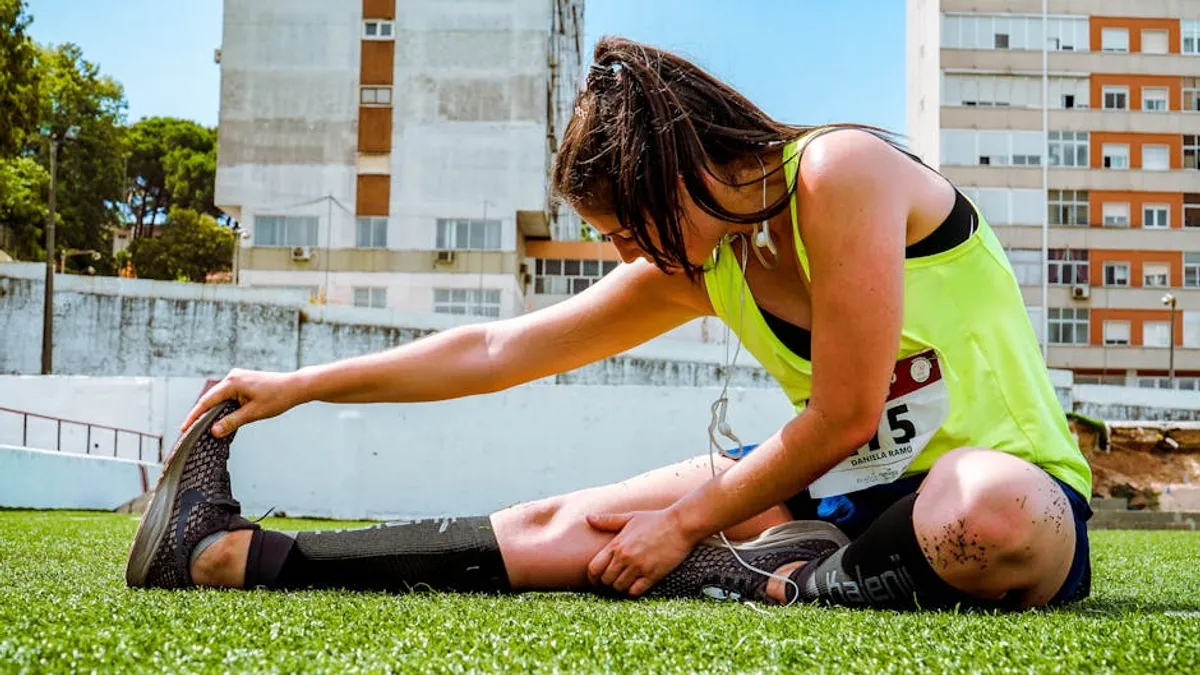
Look for graduated compression socks or calf sleeves. These are designed to support the lower leg muscles, reduce vibration, and enhance blood flow, which can delay fatigue and aid recovery. Compression shorts or tights can also provide support for hamstrings and quadriceps, reducing muscle oscillation during high-impact activities.
For Weightlifting and Strength Training:
Compression shorts, tights, and tops are beneficial for providing muscle support, particularly in the core, glutes, and major leg muscles. This can contribute to better proprioception (awareness of body position) and reduce muscle soreness post-workout. Focus on garments with robust fabric and reinforced stitching in high-stress areas.
For Recovery and Travel:
Post-activity, compression socks, sleeves, or full-length tights can accelerate recovery by reducing muscle swelling and enhancing waste product removal. For long flights or periods of inactivity, graduated compression socks are particularly effective at preventing blood pooling and reducing the risk of deep vein thrombosis (DVT).
For Injury Prevention and Support:
Specific compression sleeves (e.g., knee, elbow) can offer targeted support to vulnerable joints and muscles, which can be beneficial for individuals with a history of certain injuries or those seeking additional stability during activity. These often feature localized reinforcement or padding.
Care and Maintenance to Maximize Lifespan
Proper care is essential to maintain the elasticity and performance of compression gear. Most garments recommend machine washing in cold water with similar colors and air drying. High heat from dryers can degrade the elastic fibers (spandex), reducing the garment's ability to provide effective compression. Avoid using fabric softeners, as these can clog the fabric's pores and diminish its moisture-wicking properties. Turning garments inside out before washing can also help protect the outer surface from abrasion.
Making an Informed Choice
The market offers a broad range of compression gear, each with specific design intentions. Prioritize your selection based on the activity you perform, the specific muscles you wish to support, and your comfort preferences. Evaluate fabric composition for moisture management and durability, and critically assess sizing charts to ensure an optimal, functional fit. An informed purchase ensures you gain the full benefits that well-engineered compression wear can offer, from enhanced performance to expedited recovery.
Frequently Asked Questions
What is the primary benefit of wearing compression gear?
The primary benefit is typically improved blood circulation, reduced muscle oscillation during activity, and accelerated muscle recovery by helping to clear metabolic waste products and reduce swelling.
How tight should compression gear feel?
Compression gear should feel snug and supportive, applying firm pressure without causing discomfort, pain, numbness, or restricting your range of motion. It should not leave deep indentations on your skin.
Can I wear compression gear all day?
While some compression garments, particularly socks for travel or medical conditions, are designed for extended wear, most athletic compression gear is intended for use during and immediately after exercise. Consult the manufacturer's recommendations for specific products, as prolonged wear of very high-compression garments without medical guidance may not be advisable.
How often should I replace my compression garments?
The lifespan of compression gear depends on usage frequency, care, and quality. Generally, when the garment begins to lose its elasticity, feels less supportive, or shows significant signs of wear (e.g., stretching out, pilling), it's time to consider replacement, typically every 6-12 months for regular users.