Choosing the right training accessories goes beyond aesthetic preference; precise sizing and fit directly impact performance, safety, and the longevity of the gear itself. Ill-fitting equipment can compromise movement, reduce support, or even lead to injury, ultimately hindering training progress. This guide outlines the critical considerations for ensuring your training accessories provide optimal function and comfort.
Foundational Sizing Principles for All Accessories
Accurate Measurement is Non-Negotiable
Reliance on general clothing sizes or assumptions often leads to incorrect accessory selection. Always use a flexible tape measure. Ensure the tape is taut but not constricting, and measure against bare skin or over thin undergarments if that's how the accessory will be worn. Take measurements multiple times to confirm accuracy, especially if you are between sizes or purchasing an item with significant compression properties.
Consult Manufacturer Size Charts
Every brand may have slight variations in their sizing conventions, even for similar products. Generic sizing charts found online are rarely sufficient. Always refer to the specific size chart provided by the manufacturer of the accessory you intend to purchase. These charts detail the exact body measurements corresponding to their small, medium, large, or numbered sizes, accounting for material stretch and intended fit.
Understand Material Dynamics and Intended Fit
The material composition of an accessory dictates its stretch, compression, and how it will conform to your body over time. Neoprene sleeves, for example, offer high compression and some stretch, while leather lifting belts are rigid and require a break-in period. Consider the accessory's primary function—is it for support, protection, grip, or resistance? This function will inform the ideal fit, whether it's skin-tight compression or a looser, more flexible coverage.
Category-Specific Sizing Directives
Weightlifting Gloves and Grips
Properly sized gloves and grips prevent blisters, improve bar feel, and enhance grip security. To measure, wrap a tape measure around your dominant hand's palm, just below the knuckles, excluding your thumb. Alternatively, measure the width of your palm at its widest point. The fit should be snug, allowing for full finger dexterity without excess material bunching in the palm or between fingers. Fingers should reach the ends of the glove without stretching the material.
Best for: Enhancing grip, preventing calluses, and providing minor wrist support.
Lifting Belts (Weightlifting and Powerlifting)
A lifting belt provides critical intra-abdominal pressure and spinal support. Do not use pant size for belt sizing. Measure around your navel (belly button) at the point where you would typically wear the belt, ensuring your abdomen is relaxed but not sucked in. Powerlifting belts are generally wider and stiffer, requiring a very snug fit that allows for deep breathing and bracing without pinching or restricting movement during lifts. Olympic weightlifting belts are often slightly narrower at the front for greater mobility.
Best for: Stabilizing the core during heavy compound lifts like squats and deadlifts.
Compression Sleeves (Knee, Elbow, Calf)
Compression sleeves are designed to provide warmth, support, and proprioceptive feedback to joints and muscles. For knee sleeves, measure the circumference of your thigh approximately 4-6 inches above the center of your kneecap, and the circumference of your calf at its widest point. For elbow sleeves, measure around the fullest part of your bicep and forearm. The fit should be tight enough to provide firm compression without cutting off circulation or causing discomfort. Different thicknesses (e.g., 5mm, 7mm neoprene) offer varying levels of support, with thicker sleeves providing more rigid support for maximal lifts.
Best for: Joint support, warmth, injury prevention, and recovery.
Resistance Bands
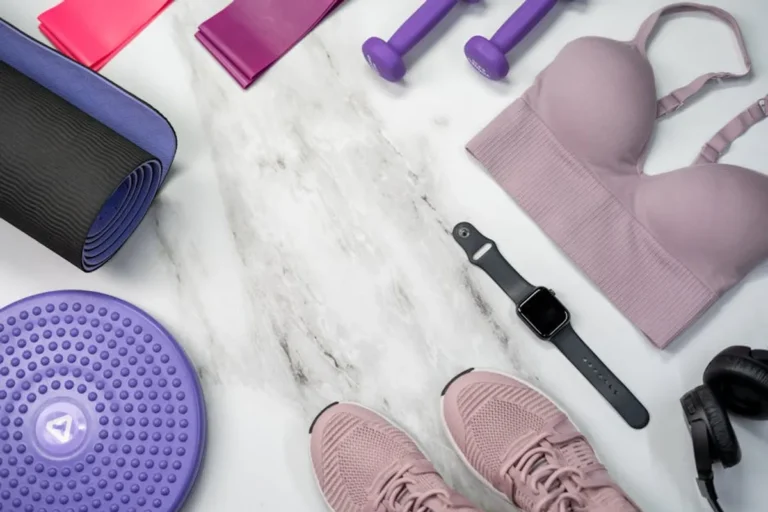
While not "sized" in the traditional sense, resistance bands are selected based on their resistance level, which correlates to the force required to stretch them. Resistance levels are typically categorized as light, medium, heavy, and extra-heavy, often indicated by color coding. Selection depends on your current strength, the specific exercise, and the desired intensity. Beginners should start with lighter bands and progress as strength improves. Loop bands, tube bands with handles, and mini bands each serve different exercise modalities.
Best for: Strength training, rehabilitation, mobility work, and assisted exercises.
Jump Ropes
The correct jump rope length is crucial for efficient and safe skipping. To determine the ideal length, stand with both feet on the center of the rope. The handles should reach your armpits for general fitness or your shoulders for more advanced tricks and speed work. For beginners, a slightly longer rope (towards the shoulders) offers a larger margin for error, while experienced jumpers may prefer a shorter rope for faster revolutions and greater control.
Best for: Cardiovascular conditioning, coordination, and agility training.
Pro Tip: Always account for the intended use and material stretch. For high-compression items like knee sleeves, a fit that feels very tight initially often becomes comfortable after a few uses as the material conforms slightly to your body. However, if it causes pain, numbness, or leaves deep indentations, it is too small.
Optimizing Your Training Experience
The time invested in accurately measuring and selecting the correct size for training accessories directly translates into a more effective, safer, and comfortable training experience. Proper fit maximizes the functional benefits of each item, extends its lifespan, and prevents the frustration and potential injury associated with ill-fitting gear. Prioritize precision in your selection process to ensure every accessory genuinely supports your performance goals.
Common Sizing Questions
How do I know if my weightlifting belt is too tight?
A lifting belt should be very snug, providing significant resistance when you try to brace your core. However, it should not cause pain, restrict your ability to take a deep breath into your abdomen, or cause numbness in your legs. If any of these occur, it's likely too tight, and you should re-evaluate your measurement against the manufacturer's chart or consider a larger size.
Can I use my regular clothing size for compression shorts or shirts?
While some brands align their compression gear sizing with standard apparel, it is always safer and more accurate to consult the specific size chart for the compression item. Compression wear is designed for a very close, body-hugging fit, and deviations from the chart can result in either insufficient compression or uncomfortable constriction.
My knee sleeves feel fine when standing but bunch behind my knee during squats. Is the size wrong?
Some minor bunching behind the knee is common with thicker neoprene sleeves during deep knee flexion due to the nature of the material and joint movement. However, excessive bunching that causes pinching, discomfort, or significantly restricts movement may indicate the sleeve is too long for your limb segment or slightly too large, leading to excess material. Re-check the length recommendations on the size chart, or consider a sleeve with a different cut.
What if I am between two sizes on a size chart?
When measurements fall between two sizes, consider the accessory's function and material. For compression gear (sleeves, wraps), sizing down often provides more support but may feel tighter initially. For items requiring dexterity (gloves), sizing up might offer more comfort but could compromise grip. Refer to the manufacturer's specific guidance for "between sizes" recommendations, or consider the tighter option if support is paramount, and the looser option if comfort and range of motion are primary concerns.