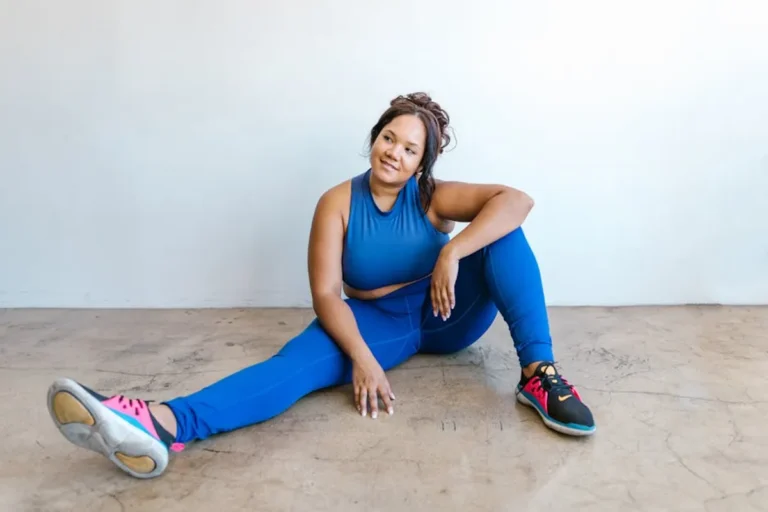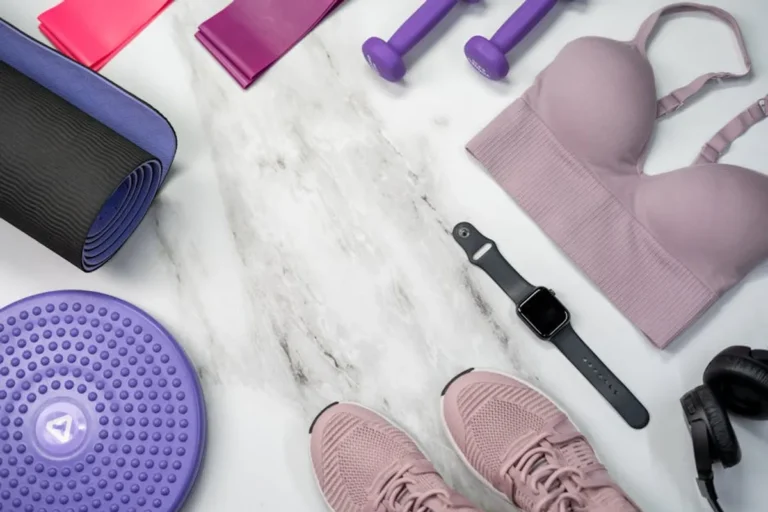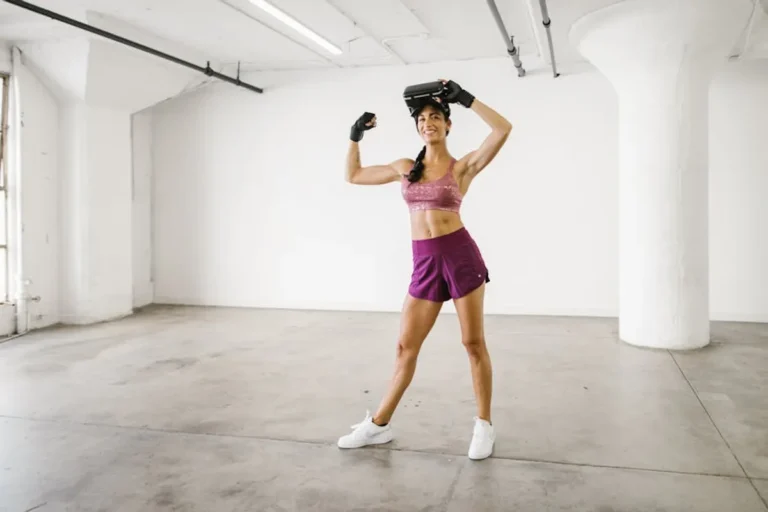
Selecting workout apparel that performs optimally during training sessions while also integrating seamlessly into daily life requires a discerning eye for fabric technology, construction, and aesthetic versatility. The challenge lies in balancing features like moisture-wicking and flexibility, critical for performance, with comfort, durability, and a style that transitions effortlessly from the gym to casual settings. This guide details various categories of workout clothes, highlighting their specific attributes, ideal applications, and considerations for both athletic demands and everyday wear. This guide aims to demystify the process of choosing the right workout clothes by breaking down key considerations for performance and style.
What to Prioritize in Workout Apparel
When evaluating workout clothes, consider a combination of functional and practical aspects. Fabric composition is paramount; look for blends that offer moisture management, breathability, and stretch. Polyester, nylon, and spandex are common performance materials, often treated for anti-odor properties. Fit is another critical factor: compression garments offer muscle support, while looser fits provide greater freedom of movement and airflow. Durability is essential for items subjected to frequent washing and strenuous activity. Finally, versatility in design ensures that pieces can serve multiple purposes, extending their value beyond dedicated workouts. Prioritize items that align with your primary activities and personal style preferences for maximum utility.
1. Technical Performance Gear
This category encompasses apparel engineered with advanced fabric technologies specifically for high-intensity training. Materials often include proprietary blends of synthetic fibers designed for superior moisture-wicking, rapid drying, and enhanced breathability. Features like laser-cut ventilation, seamless construction, and targeted compression zones are common. The primary focus is on maximizing athletic output and comfort during strenuous activities, often at the expense of a more casual aesthetic.
Best for: Marathon training, CrossFit, HIIT, competitive sports, and any activity where performance optimization is the top priority.
Pros: Exceptional moisture management, reduced chafing, muscle support, lightweight feel, and high durability under stress.
Cons: Often features a distinctly athletic look that can limit everyday wear versatility; typically comes with a higher price point due to specialized materials and construction.
Verdict: Indispensable for serious athletes and intense workouts, offering functional benefits that directly impact performance and recovery. Less ideal for those prioritizing style over pure utility.
2. Everyday Athleisure Wear
Athleisure wear bridges the gap between athletic performance and casual fashion. These garments prioritize comfort, style, and versatility, often using softer, more natural-feeling fabrics or blends that still offer some technical properties. Designs are typically minimalist and streamlined, allowing pieces to transition smoothly from light workouts to social engagements or errands. The emphasis is on comfort and aesthetic appeal without sacrificing basic functional requirements like breathability.
Best for: Yoga, Pilates, walking, casual outings, travel, and individuals seeking comfort and style throughout their day.
Pros: High comfort levels, stylish designs, excellent versatility for various settings, often made with softer, more pleasant-to-touch fabrics.
Cons: Performance features are usually secondary to aesthetics, making them less suitable for very high-intensity or specialized training. May not offer the same level of moisture management or compression as dedicated performance gear.
Verdict: An excellent choice for those whose daily routine blends light activity with casual wear, providing a comfortable and fashionable solution for a dynamic lifestyle.
3. Compression Apparel
Compression garments are designed to fit snugly against the body, applying pressure to specific muscle groups. This pressure is intended to improve blood circulation, reduce muscle oscillation during activity, and potentially aid in recovery. Made from high-elastane synthetic blends, they offer significant stretch and support. While primarily functional, many designs now incorporate aesthetic elements that allow for standalone wear or layering.
Best for: Weightlifting, running, post-workout recovery, activities requiring muscle support, and cold weather layering.
Pros: Muscle support and stability, potential for reduced muscle soreness, improved proprioception, and effective layering in cooler conditions.
Cons: Can feel restrictive for some users, less airflow than looser garments, and the tight fit may not be preferred for all casual settings.
Verdict: A valuable addition for athletes focused on performance and recovery benefits. Select carefully for comfort and ensure the compression level matches your needs.
4. Merino Wool Blends
Merino wool, often blended with synthetic fibers, offers a unique combination of natural performance properties. It excels at temperature regulation, keeping you warm in cool conditions and cool in warm conditions. It is naturally odor-resistant, moisture-wicking, and soft against the skin, making it highly comfortable. Its natural drape and less "techy" appearance allow for greater versatility in everyday wear compared to pure synthetics.
Best for: Hiking, trail running, outdoor activities, travel, multi-day use without washing, and individuals sensitive to synthetic fabrics.
Pros: Excellent temperature regulation, natural odor resistance, soft feel, good moisture management, and a more natural aesthetic.
Cons: Can be more expensive than synthetic alternatives, may be less durable against abrasion in its purest forms, and slower drying than some synthetics.
Verdict: A premium option for those prioritizing natural comfort, odor control, and temperature adaptability across a range of activities and everyday use.
5. Sustainable & Eco-Conscious Options
This category focuses on apparel made from recycled materials (e.g., recycled polyester, nylon), organic cotton, or innovative plant-based fibers. Brands in this space often prioritize ethical manufacturing processes and reduced environmental impact. While the primary differentiator is sustainability, many of these garments also offer excellent performance and comfort, with an aesthetic that often leans towards minimalist and versatile designs suitable for both active and casual wear.
Best for: Environmentally conscious consumers, light to moderate intensity workouts, yoga, walking, and everyday wear.
Pros: Reduced environmental footprint, often high-quality and comfortable fabrics, supports ethical production, and versatile styling.
Cons: Can be more expensive, availability may be limited, and some specific performance features (like extreme compression) might be less common.
Verdict: An increasingly important choice for those who want their apparel to align with their values without significant compromise on performance or style for general use.
6. Heavyweight Cotton & Fleece Blends
While traditional cotton is often avoided for high-intensity training due to its moisture-retention properties, heavyweight cotton and fleece blends excel in specific contexts. These materials offer significant warmth, comfort, and a classic, durable aesthetic. They are ideal for warm-ups, cool-downs, outdoor training in colder weather, or simply as comfortable, substantial everyday wear. Modern blends often incorporate polyester to improve moisture handling and durability.
Best for: Cold weather training, warm-ups, cool-downs, casual wear, lounging, and outdoor activities where warmth is a priority.
Pros: Superior warmth, high comfort, durable construction, classic aesthetic, and generally more affordable than specialized technical fabrics.
Cons: Poor moisture management for intense, sweaty workouts; can be bulky; slow to dry; and not suitable for hot conditions.
Verdict: Excellent for comfort and warmth in cooler environments, serving well as outer layers or for less intense activities where sweat management is not critical.
7. Lightweight Breathable Mesh & Vented Fabrics
Designed for maximum airflow and heat dissipation, these garments incorporate mesh panels, perforated fabrics, or open-knit constructions. The focus is on keeping the wearer cool and dry in hot conditions or during very intense workouts. Materials are typically ultra-lightweight synthetic blends that dry quickly. The aesthetic is overtly athletic, prioritizing ventilation over casual versatility.
Best for: Summer training, indoor cycling, running in hot climates, activities where overheating is a concern, and layering over compression gear.
Pros: Exceptional breathability, rapid drying, very lightweight, effective heat management, and reduced clamminess during intense exercise.
Cons: Often less durable against snags, offers minimal warmth, and the highly technical appearance may not suit all casual settings.
Verdict: Essential for maintaining comfort and performance in hot and humid conditions, providing critical ventilation for high-exertion activities.
8. Seamless Construction Apparel
Seamless garments are knitted in a tubular fashion, minimizing the number of seams. This construction reduces chafing and irritation, enhancing comfort during repetitive movements. They often feature body-mapped ventilation and compression zones, integrating performance features directly into the knit. The fit is typically close to the body, offering a smooth silhouette that can be both functional for training and sleek for casual wear.
Best for: Yoga, Pilates, running, gym workouts, and any activity where comfort and reduced friction are priorities. Also suitable for comfortable layering.
Pros: Superior comfort, reduced chafing, smooth fit, often lightweight, and allows for targeted functional zones within the fabric.
Cons: Can sometimes stretch out over time if not well-made, may not offer as much structural support as seamed garments for certain activities, and can be more expensive.
Verdict: A highly comfortable and functional option for a wide range of activities, particularly beneficial for sensitive skin or long-duration workouts where friction is a concern.
9. Water-Resistant & Weather-Protected Outerwear
This category includes jackets, vests, and pants treated with durable water repellent (DWR) finishes or constructed with waterproof/breathable membranes. While primarily designed for outdoor training in adverse weather, their protective qualities and often sleek designs make them practical for everyday commuting, errands, and casual outdoor activities. Lightweight and packable versions are particularly versatile.
Best for: Outdoor running, cycling, hiking, commuting in light rain or wind, and general protection from the elements.
Pros: Protection from rain and wind, enhanced comfort in adverse weather, often breathable, and versatile for both active and casual outdoor use.
Cons: Can be less breathable than non-treated fabrics, may feel less soft, and higher-performance options can be costly.
Verdict: A practical investment for anyone who trains outdoors or needs reliable protection from unpredictable weather during daily activities.
10. Durable Woven Stretch Fabrics
Unlike knits, woven fabrics offer superior abrasion resistance and structure. When combined with elastane, they provide excellent four-way stretch, making them suitable for active wear that needs to withstand rougher conditions or offer a more tailored look. Think hiking pants, durable shorts, or jackets that blend performance with a more robust, everyday aesthetic. These fabrics often shed dirt and resist snags better than fine knits.
Best for: Hiking, climbing, outdoor adventure, casual work environments (e.g., field work), and travel where durability is key.
Pros: High durability and abrasion resistance, good structure, excellent stretch for movement, and often a more refined, less overtly athletic appearance.
Cons: Can be less breathable than mesh knits, may not offer the same level of moisture-wicking as specialized synthetic knits, and can feel heavier.
Verdict: An excellent choice for active individuals who require robust, long-lasting apparel that performs well outdoors and maintains a polished look for daily wear.
Making Your Selection: Beyond the List
Choosing the right workout clothes involves more than just identifying categories; it requires a personal assessment of your activity level, environmental conditions, and aesthetic preferences. Consider the specific demands of your primary training regimen: do you need maximum compression, extreme breathability, or robust durability? For everyday use, evaluate how well the garment integrates into your existing wardrobe and lifestyle. Look for pieces with thoughtful details like secure pockets, adjustable features, and flatlock seams. Pay attention to care instructions to ensure longevity, as proper maintenance is crucial for performance fabrics. Ultimately, the best choices will be those that provide comfort, support, and confidence across all your activities.
Frequently Asked Questions
What are the best fabrics for sweat-wicking?
Polyester, nylon, and blends containing spandex are highly effective at wicking moisture away from the skin. Some treated merino wools also offer good moisture management.
How should workout clothes fit?
The ideal fit depends on the garment and activity. Compression wear should be snug but not restrictive. Running gear often benefits from a looser, breathable fit. Generally, clothes should allow a full range of motion without chafing or sagging.
Can I wear cotton for workouts?
While comfortable for light activities, 100% cotton is generally not recommended for intense workouts as it absorbs and retains moisture, leading to a heavy, damp feeling and potential chafing. Blends with synthetic fibers can improve performance.
How do I care for my workout clothes to make them last?
Always follow specific care labels. Generally, wash in cold water with a mild detergent, avoid fabric softeners (which can clog performance fibers), and air dry or tumble dry on low heat. Turn garments inside out to protect logos and finishes.
What's the difference between athleisure and activewear?
Activewear is primarily designed for specific athletic performance with a focus on technical features. Athleisure, while incorporating performance elements, prioritizes comfort and style for everyday wear, blurring the lines between gym and casual fashion.