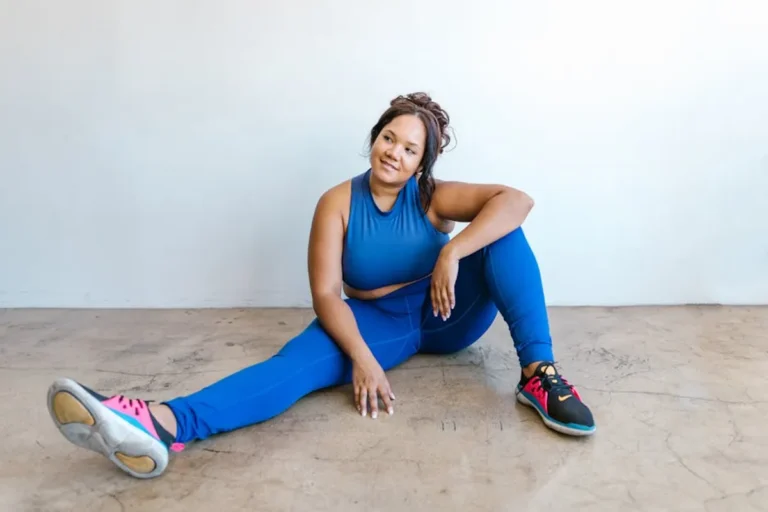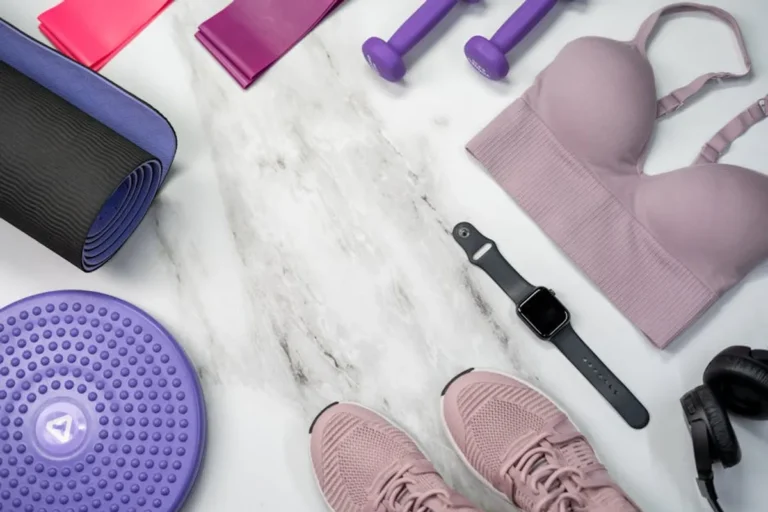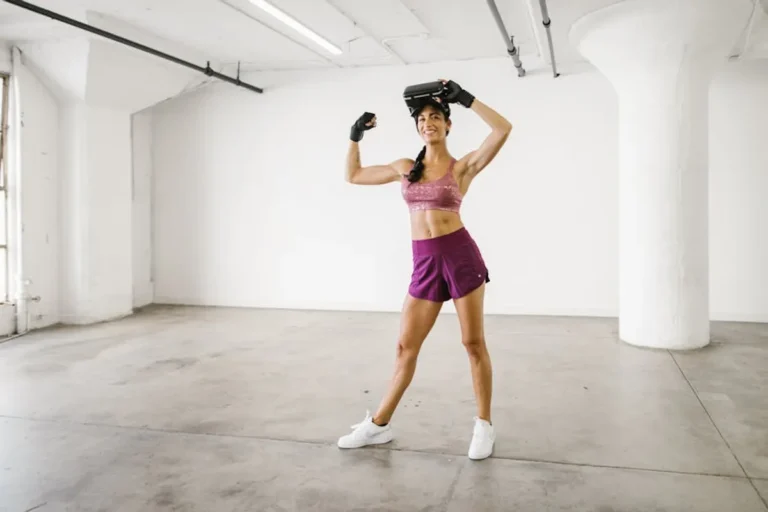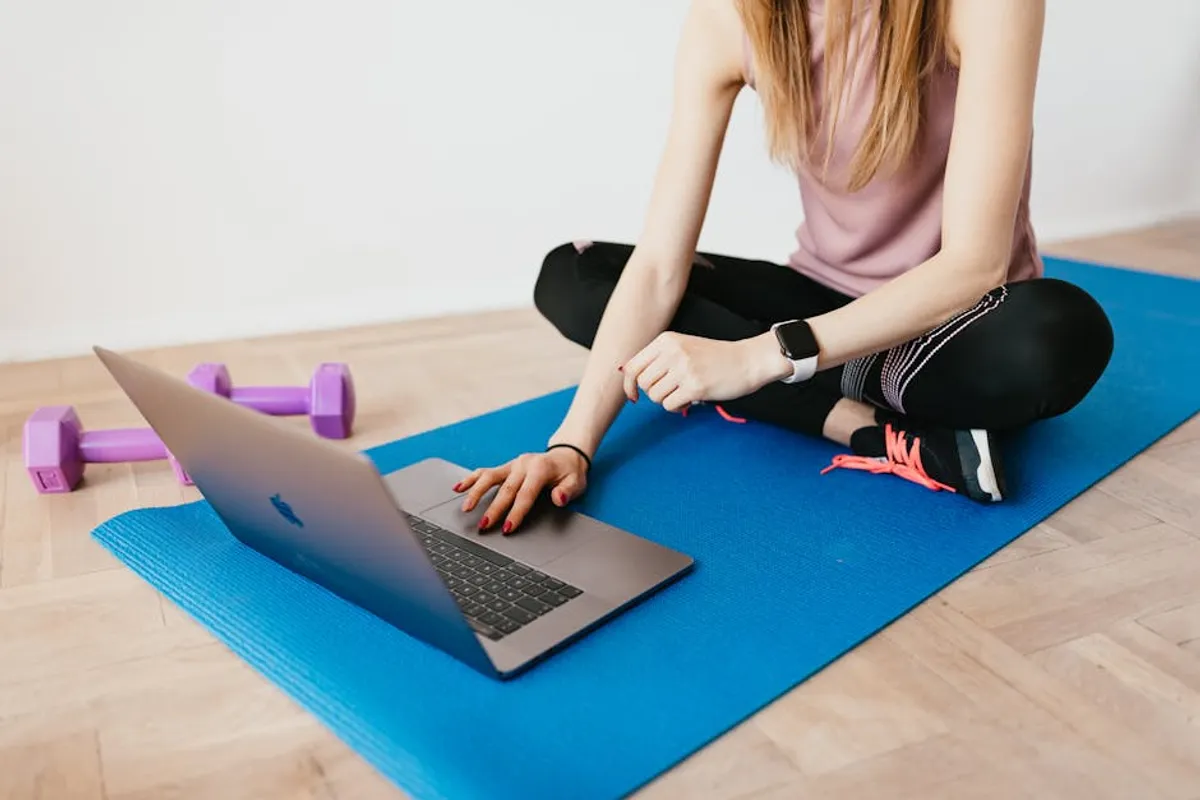
Selecting the right workout clothes moves beyond mere aesthetics; it directly impacts performance, comfort, and even injury prevention. The material, fit, and specific features of athletic apparel are not arbitrary design choices but functional elements engineered to support different physical demands. Understanding these distinctions allows for informed purchasing decisions that enhance the workout experience, whether you're engaging in high-intensity interval training, a long-distance run, or a quiet yoga session. The goal is to choose garments that work with your body, not against it, providing appropriate support, temperature regulation, and freedom of movement. When choosing, consider the best workout clothes for training that also suit your everyday needs.
Understanding Fabric Performance
The foundation of effective workout wear lies in its material composition. Different fabrics offer distinct advantages tailored to various activities and environmental conditions.
Synthetic Fibers for High-Intensity
Polyester, nylon, and spandex (elastane) are workhorses in athletic apparel due to their advanced properties. These materials are engineered to manage moisture, maintain shape, and offer durability under strenuous conditions.
- Polyester: Known for its moisture-wicking capabilities, polyester draws sweat away from the skin to the fabric's surface where it can evaporate quickly. It resists shrinking, stretching, and wrinkling, making it a durable choice for high-impact activities.
- Nylon: Offers excellent strength, elasticity, and a smooth, soft feel. Nylon is often blended with spandex to provide flexibility and a comfortable fit, ideal for activities requiring a wide range of motion.
- Spandex (Lycra/Elastane): Valued for its exceptional stretch and recovery properties. Even a small percentage of spandex in a fabric blend significantly improves flexibility and allows garments to retain their shape after repeated use and washing.
Best for: Running, cycling, HIIT, weightlifting, and any activity where sweat management and freedom of movement are critical.
Natural Fibers and Blends for Specific Needs
While synthetics dominate performance wear, certain natural fibers and thoughtful blends offer specific benefits.
- Merino Wool: Unlike traditional wool, merino is fine, soft, and itch-free. It excels at temperature regulation, keeping you warm in cold conditions and cool in heat, while also offering natural odor resistance and moisture-wicking properties.
- Bamboo: Known for its softness, breathability, and natural antibacterial properties. Bamboo fabric is often blended with spandex or cotton for added durability and stretch.
- Cotton: Generally not recommended for intense workouts because it absorbs and holds moisture, becoming heavy and leading to chafing. However, for light activities like walking or casual wear, its breathability and softness can be comfortable.
Best for: Merino wool is excellent for hiking, cold-weather sports, and multi-day activities due to its odor resistance. Bamboo blends suit yoga or low-impact exercise where comfort and breathability are prioritized over rapid drying.
The Role of Fit in Movement and Support
Beyond material, the cut and fit of workout clothes significantly impact comfort and performance. A garment's fit should align with the activity's demands and your body's needs. Understanding your workout clothes fit for each activity prevents discomfort and improves overall effectiveness.
Compression Fit
Compression garments are designed to fit snugly against the body, applying pressure to muscles. This can aid in circulation, reduce muscle vibration during high-impact activities, and potentially support faster recovery.
Consider for: Weightlifting, long-distance running, cycling, and sports where muscle support and reduced fatigue are beneficial.
Athletic or Slim Fit
This fit follows the contours of the body without being overly tight, allowing for a full range of motion without excess fabric. It strikes a balance between support and freedom.
Consider for: General gym workouts, cross-training, and activities where unrestricted movement is key without the intensity of compression.
Relaxed or Loose Fit
Garments with a relaxed fit offer maximum airflow and complete freedom of movement. They are less restrictive but may not provide muscle support or manage sweat as efficiently as tighter fits.
Consider for: Very light exercise, warm-ups, or activities where modesty and comfort outweigh performance-specific features, such as some forms of dance or casual walking.
Pro Tip: Always try on workout clothes in a movement-simulating environment. Perform a few stretches, squats, or arm raises to ensure full range of motion and no restrictive pulling or transparency issues, especially in high-stress areas like seams or knees. Pay attention to how the fabric moves with your body, not against it.
Matching Apparel to Activity Type
The specific demands of your chosen exercise dictate the most appropriate clothing. General-purpose athletic wear may suffice for some, but specialized gear offers distinct advantages.
High-Intensity and Cardio Workouts
For activities like running, HIIT, or spin classes, prioritize moisture-wicking fabrics, breathable designs, and a secure fit that prevents chafing. Look for flatlock seams and minimal embellishments that could cause irritation.
Yoga, Pilates, and Barre
Flexibility and unrestricted movement are paramount. Opt for stretchy, soft fabrics (often with a high spandex content) that allow for deep stretches and inversions without binding. Opaque materials are essential for coverage during various poses.
Weightlifting and Strength Training
Durability and freedom of movement are key. Compression wear can offer muscle support, while durable fabrics can withstand the friction of equipment. Ensure shirts and shorts don't restrict full range of motion during lifts.
Outdoor Activities (Running, Cycling, Hiking)
Weather protection becomes a primary concern. Layering is often necessary: a moisture-wicking base layer, an insulating mid-layer, and a weather-resistant outer shell. Reflective elements are crucial for visibility during low-light conditions. Pockets for essentials like keys or gels are also beneficial.
Evaluating Construction and Longevity
The quality of a garment's construction directly correlates with its durability and comfort over time. Inspecting details like stitching, fabric weight, and care instructions provides insight into a product's longevity.
Stitching and Seams
Flatlock seams, where the edges of the fabric are joined without overlapping, are preferred in activewear. They reduce bulk and prevent chafing against the skin, which is crucial during repetitive movements. Reinforced stitching in high-stress areas like crotches and armpits indicates better durability.
Fabric Weight and Density
Consider the fabric's weight in relation to its intended use. Lightweight, airy fabrics are ideal for hot weather and maximum breathability, while denser, more substantial fabrics provide warmth and durability for cooler conditions or activities requiring more robust material.
Care Instructions
Reviewing care labels before purchase provides a realistic expectation of maintenance. Some high-performance fabrics require specific washing temperatures or air drying, which can influence convenience and long-term care costs.
Essential Features and Details
Small design elements can significantly enhance the functionality and safety of workout clothes.
- Pockets: Secure, zippered pockets are invaluable for carrying small essentials like keys, cards, or a phone without them bouncing or falling out during activity.
- Reflective Elements: For outdoor exercisers, reflective logos, strips, or patterns are non-negotiable for visibility in low-light conditions, significantly improving safety.
- Ventilation: Mesh panels, laser-cut perforations, or strategic open-knit areas enhance airflow, helping to regulate body temperature and prevent overheating.
- Adjustability: Features like drawstrings in waistbands, adjustable bra straps, or convertible sleeves allow for a customized fit and adaptability to changing conditions.
Making Your Selection Count
Choosing workout clothes is an investment in your fitness journey. By prioritizing technical fabrics that manage moisture and temperature, selecting fits that support your movements, and considering activity-specific features, you can significantly improve comfort, performance, and overall satisfaction. Focus on garments that feel good, allow for full range of motion, and are built to withstand the rigors of your chosen activity. The right attire can make workouts more enjoyable, helping you stay consistent and focused on your goals.
Frequently Asked Questions
Why should I avoid cotton for most workouts?
Cotton absorbs and retains moisture, becoming heavy and wet with sweat. This can lead to discomfort, chafing, and a rapid drop in body temperature when exercise stops, which is counterproductive for performance and can pose health risks in cooler environments.
What does "moisture-wicking" mean in athletic apparel?
Moisture-wicking refers to a fabric's ability to draw sweat away from the skin and transport it to the outer surface of the garment. Here, the moisture spreads out and evaporates more quickly than it would if trapped against the skin, helping to keep the wearer dry and comfortable.
How important is UV protection in outdoor workout clothes?
UV protection is highly important for prolonged outdoor activities. Fabrics with a UPF (Ultraviolet Protection Factor) rating can block a significant percentage of harmful UV rays, helping to prevent sunburn, premature skin aging, and reducing the risk of skin cancer.
Should I size up or down for compression wear?
For true compression benefits, you should typically choose your regular size. Compression wear is designed to fit snugly to apply even pressure. Sizing up will diminish the compression effect, while sizing down can be uncomfortably restrictive and may compromise circulation.